

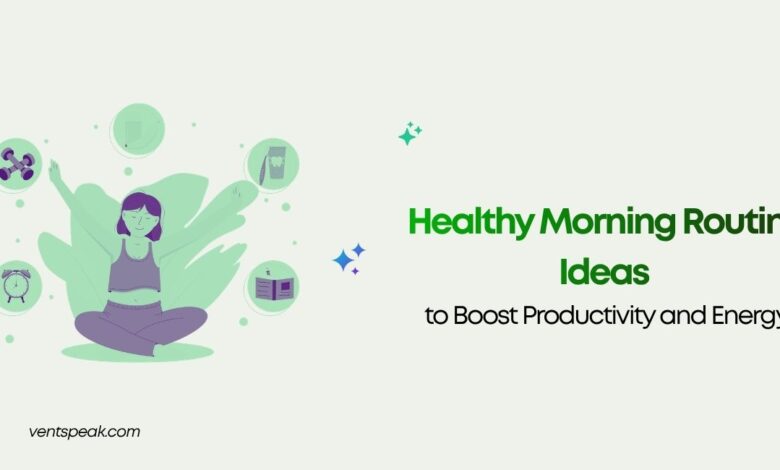
A healthy morning routine primes your brain and body for the day by stabilizing energy levels, reducing cortisol spikes, and sharpening cognitive focus. In our fast-paced modern lifestyle, how you spend your first waking hours directly governs your neurological stamina, metabolic efficiency, and emotional resilience. By shifting from a state of reactive urgency—such as waking up to scroll through notifications—to an intentional, science-backed morning protocol, you take proactive control of your time, attention, and mental health.
Integrating specific preventive care habits into your morning layout optimizes neuroplasticity and wards off technology fatigue. Evidence-based research indicates that deliberate actions taken right after waking up can successfully mitigate afternoon fatigue, enhance deep work capacity, and stabilize mood. Designing a personalized morning ritual is an essential component of a healthy lifestyle, offering an accessible avenue toward sustainable peak performance.

The Core Science Behind Waking Up Productively
A truly effective morning routine is not a rigid one-size-fits-all schedule, but rather an adaptable sequence aligned with human biology.
Understanding Your Circadian Personality and Ultradian Rhythms
A common mistake in wellness spaces is forcing an extreme wake-up time, such as joining the “5 AM Club,” when your body is naturally wired differently. Human energy is governed by unique internal clocks known as chronotypes (such as early birds or night owls).
Instead of fighting your biology, success lies in understanding your biological prime time—the periods of the day when your cognitive focus and energy naturally peak. Tailoring your morning habits around your natural ultradian rhythms prevents sleep deprivation, reduces the risk of mental health burnout, and optimizes long-term productivity.
Read More Blog:A Beginner’s Guide to Intermittent Fasting Safely
6 Science-Backed Habits to Boost Energy and Focus
Implementing an actionable, high-performance morning protocol involves a few foundational strategies designed to maximize physical and mental clarity.
1. Hydrate Before Caffeinating
Drink approximately 500 ml of water immediately upon waking up. Sleep naturally deprives the body of fluids, and early morning brain fog is frequently a direct symptom of mild dehydration. Replenishing your cellular hydration right away fires up your metabolism and supports optimal cognitive performance before you ingest any other substances.
2. Seek Natural Sunlight Within 30 Minutes
Step outside or look out an open window for 10–15 minutes shortly after opening your eyes. Exposure to natural light triggers a healthy, timely cortisol spike that acts as a natural alarm clock. This process regulates your circadian rhythm, which not only alerts your brain for the day ahead but also improves your sleep quality later that night.
3. Implement Strategic Caffeine Delay
Wait 60 to 90 minutes after waking before consuming your first cup of coffee or tea. When you first wake up, your body naturally produces high amounts of cortisol to make you alert. Introducing caffeine immediately overrides this natural mechanism and leads to a severe mid-afternoon energy crash once the artificial stimulant wears off.
Read More Blog:Simple Home Workouts for Strength, Energy, and Fitness
4. Move to Mobilize Blood Flow
Engage in 5 to 10 minutes of physical activity or light stretching. You can use a quick home protocol like the 5-5-5-30 method (5 push-ups, 5 squats, 5 lunges per leg, and a 30-second plank). This short burst raises your heart rate, oxygenates your brain tissues, and naturally releases endorphins without inducing physical exhaustion.
5. Consume a Nutrient-Dense, Protein-Packed Breakfast
Support your sustained focus by avoiding sugary pastries or heavy refined carbohydrates that cause sharp blood sugar spikes. Instead, prioritize a preventive nutrition strategy containing lean proteins, healthy fats, and complex carbohydrates—such as eggs with avocado, plain Greek yogurt with nuts, or oatmeal topped with chia seeds.
6. “Eat the Frog” First Thing
Identify the largest, most critical, or most challenging professional task on your daily agenda and tackle it during your first two hours of work. Your willpower, decision-making capabilities, and analytical focus are at their peak early in the day. Completing this heavy task early triggers the progress principle, offering a deep sense of accomplishment that carries momentum through your remaining duties.
Read More Blogs:How Mindfulness Can Improve Your Focus and Memory
Strategic Comparison: Reactive vs. Intentional Morning Routines
| Performance Metric | Reactive Morning Pattern | Intentional Morning Protocol |
| First Waking Action | Checking email / social media feeds | Rehydrating with 500ml of water |
| Cortisol & Stress Regulation | Elevated spikes via digital urgency | Balanced curve via natural light exposure |
| Caffeine Timing | Immediate ingestion upon waking | Delayed by 60–90 minutes |
| Cognitive Focus Level | Fragmented attention; easily distracted | Sustained deep work capacity |
| Energy Sustainability | Mid-morning or afternoon energy crash | Smooth, sustained physical stamina |
| Task Management | Procrastinating on major projects | “Eating the frog” within the first 2 hours |
Common Morning Routine Mistakes to Avoid
- Experiencing Decision Fatigue: Spending your morning deciding what to wear, eat, or work on drains limited mental energy. Counteract this by completing simple preparation steps the evening prior.
- Forcing an Unnatural Sleep Schedule: Depriving yourself of critical restorative sleep cycles just to match a popular influencer’s early schedule can harm immune health and cognitive retention.
- Overloading the Routine: Trying to fit an elaborate two-hour sequence of meditation, journaling, running, and reading into a busy schedule creates more stress than it relieves. Start with one or two small changes.
Read More Blogs:10 Daily Habits for a Healthier Mind and Body in 2026
Future Health Trends: “Circadian Optimization”
As personalized wellness and preventive care continue to evolve, future health trends are shifting toward AI-assisted circadian optimization. Wearable health trackers and smart home environments are beginning to map individual ultradian cycles, providing real-time data on exactly when a user should hydrate, expose themselves to specific light spectrums, or execute deep-focus tasks based on biometric feedback.
Read More Blog:How to Create a Balanced Wellness Routine for Busy Professionals
Read More Blog:The Connection Between Gut Health and Overall Wellness
How We Evaluate Routine and Productivity Advice
To provide accurate, helpful, and completely trustworthy lifestyle recommendations, our editorial team reviews wellness habits against the following strict parameters:
- Scientific Accuracy: Habits must be supported by peer-reviewed research in neuroscience, endocrinology, and chronobiology.
- Actionable Effectiveness: Recommendations must demonstrate tangible real-world improvements in daily stamina and cognitive focus.
- Safety and Realism: Routines must support overall physical and mental health without promoting extreme sleep deprivation or dangerous burnout habits.
- Ease of Implementation: Strategies must be practical enough to be executed by busy working professionals, parents, or students.
- User Benefits: Advice must prioritize long-term holistic health and preventive care over short-lived, superficial productivity trends.
Conclusion: Small Steps to Win the Morning
Your morning habits set the trajectory for your entire day’s output, mental clarity, and physical vitality. By implementing simple, biologically aligned changes—such as hydrating immediately, soaking in natural sunlight, delaying your caffeine intake, and tackling your hardest task first—you build a protective buffer against stress and digital fatigue.
Remember, the goal is consistency rather than absolute perfection. Choose one or two actionable strategies to experiment with this week, adapt them to your unique lifestyle demands, and enjoy the long-term benefits of enhanced health, energy, and balanced productivity.
Frequently Asked Questions
Why is it beneficial to delay morning coffee intake?
Delaying caffeine for 60–90 minutes allows your body’s natural cortisol levels to peak and clear out on their own. Drinking coffee immediately blocks adenosine receptors prematurely, which disrupts this natural awakening cycle and results in a sudden afternoon energy crash.
How does morning sunlight impact my sleep at night?
When natural sunlight hits your eyes in the morning, it halts melatonin production and sets a biological timer in your brain. This precise anchor regulates your circadian rhythm, ensuring that your body naturally starts producing sleep hormones roughly 14 to 16 hours later.
What if I don’t have time for a long morning routine?
An effective morning routine does not need to be long. Even a compressed 15-minute routine consisting of drinking a glass of water, standing by a window for light exposure, and reviewing your top daily task can completely transform your cognitive performance.
Can a structured morning routine reduce chronic stress?
Yes. Moving through a predictable morning sequence prevents the release of immediate stress hormones triggered by rushing or handling emergencies. It switches your nervous system from a reactive “fight-or-flight” state into a calm, proactive baseline.
Is eating breakfast mandatory for high morning productivity?
Not necessarily. While a breakfast rich in protein and healthy fats stabilizes blood sugar and sustains focus, individuals practicing intermittent fasting can maintain high productivity by staying well-hydrated and managing their cognitive tasks effectively.