How AI is Transforming SEO in 2026: Tools, Trends & Strategies

The search landscape has experienced a monumental paradigm shift. In 2026, Search Engine Optimization (SEO) has evolved far beyond traditional keyword tracking and blue links. We have officially entered the era of Generative Engine Optimization (GEO) and Answer Engine Optimization (AEO).
With Google’s AI Overviews (formerly SGE) and conversational platforms like Gemini, ChatGPT, Claude, and Perplexity synthesizing real-time answers directly on the Search Engine Results Page (SERP), the ultimate goal of digital marketing has shifted: It is no longer just about ranking #1; it is about being the cited source that powers the AI’s response.
How to Win at SEO in 2026
To rank in Google AI Overviews and generative search engines in 2026, brands must transition from keyword density to topical authority, optimize for Retrieval-Augmented Generation (RAG) by placing structured, direct answers within the first 120–150 words of a page, maintain strict E-E-A-T standards, and implement robust entity-based Schema markup.
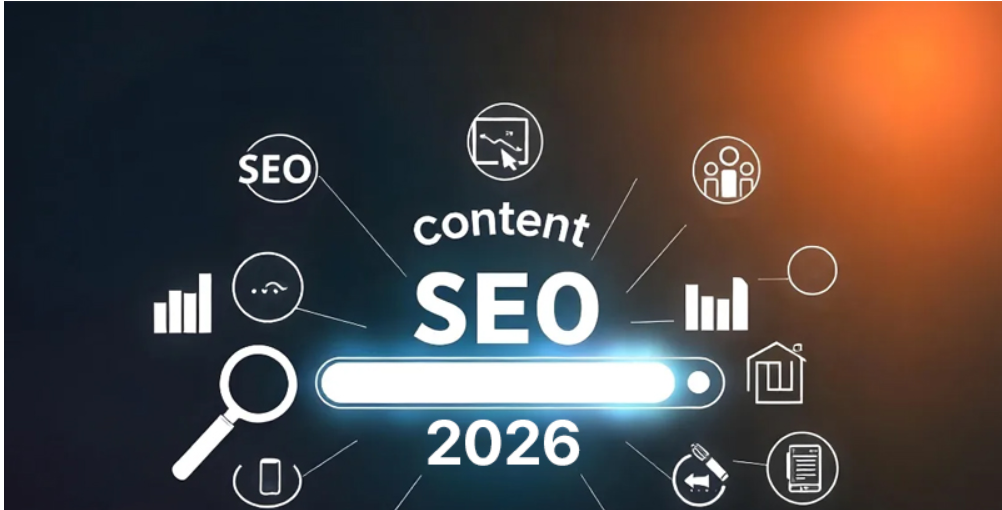
How We Evaluate: 6 Core Criteria for 2026 Search Success
To help digital marketers, enterprise brands, and SMBs navigate this modern landscape, we evaluate content strategies against six non-negotiable criteria required for maximum visibility in generative search environments:
- AI Search Performance (GEO/AEO Indexability): The technical and structural ease with which Large Language Models (LLMs) can extract, parse, and cite your content.
- User Intent Alignment & Depth: Moving away from shallow keywords to comprehensively answering the transactional, informational, or commercial intent of the user.
- E-E-A-T Validation: Verifiable signals of first-hand Experience, Expertise, Authoritativeness, and Trustworthiness that AI filters require to prevent algorithmic hallucination.
- Traffic and Citation Potential: The likelihood of turning an AI mention or zero-click search into a brand referral or direct website click.
- Implementation Difficulty vs. Scalability: Balancing advanced structural changes (like custom schema and RAG optimization) with sustainable content production workflows.
- Conversion and Lead Generation Impact: Ensuring that organic traffic coming through visual, voice, or text search actively feeds your marketing funnel and drives revenue.
1. The Rise of Zero-Click Searches & The Shift to GEO and AEO
Generative Engine Optimization (GEO) is the process of optimizing digital content so that artificial intelligence engines and LLMs can easily retrieve, summarize, and credit it as a foundational source in user-generated answers.
In 2026, Zero-Click Searches dominate the SERP. Because Google AI Overviews synthesize direct answers to complex, long-tail queries, users frequently find exactly what they need without clicking through to a website.
To drive organic traffic growth and protect your digital marketing real estate, your content must serve as the literal citation. AI search engines utilize a process called Retrieval-Augmented Generation (RAG). RAG systems crawl the web to find facts, then feed those facts into their LLM to generate an answer. If your content is unstructured, vague, or lacking clear data points, the RAG engine will pass you over for a competitor who structures information cleanly.
Actionable Takeaway for GEO Visibility:
Structure your content using the “Inverted Pyramid” copywriting framework. Place your most concise, accurate answer to the user’s primary question within the first 120–150 words of your page, followed immediately by supportive data, schema-backed entities, and deep contextual analysis.
Read More Blogs: GEO Explained: How Generative Engine Optimization Works Alongside SEO
2. Technical Framework: Traditional SEO vs. AI Search Optimization
To survive the search landscape of 2026, digital marketing strategies must bridge the gap between traditional indexing rules and the linguistic requirements of modern answer engines.
| Optimization Vector | Traditional SEO (Google / Bing) | AI Search & GEO (Gemini, ChatGPT, Perplexity) |
| Primary Focus | Keywords, Backlink Quantity, URL Structure | Entities, Topical Intent, Fact Verifiability |
| Content Format | Long-form articles, keyword-optimized landing pages | Structured headers, QA blocks, data tables, conversational prose |
| Technical Requirement | XML Sitemap, Robots.txt, Core Web Vitals | Advanced JSON-LD Schema, Semantic HTML, Clean API Feeds |
| Success Metric | SERP Positions, Clicks, Raw Organic Impressions | AI Share of Voice (SoV), Brand Citations, Conversions |
| Algorithmic Trigger | PageRank, Hreflang, Exact-Match Strings | Retrieval-Augmented Generation (RAG), NLP Embeddings |
3. Topical Authority and NLP: Moving Beyond Keywords
Keywords are no longer isolated strings; they are interconnected entities. Thanks to advanced Natural Language Processing (NLP) and vector search models, search networks evaluate your site’s entire digital footprint to measure your Topical Authority.
If you want to rank for high-value phrases like “enterprise conversion optimization,” you cannot just write a single blog post. You must build out structured Topic Clusters.
How to Build a 2026 Content Hub Strategy:
- The Pillar Page: Create a comprehensive guide covering every facet of a broad topic (e.g., The Ultimate Guide to Digital Marketing Architecture).
- Cluster Content: Write 10–15 hyper-specific, long-tail sub-articles addressing nuanced questions discovered in People Also Ask (PAA) data (e.g., “How to map Hubspot Smart Content to specific user intent”).
- Semantic Internal Linking: Naturally link your cluster content back to your pillar page using descriptive, entity-rich anchor text. This signals to AI crawlers that your domain possesses deep, structured expertise on the subject matter.
Read More Blogs:10 Instagram Growth Hacks for Small Businesses 2026
4. E-E-A-T as the Shield Against Generic AI Content
The market is saturated with low-cost, automated text generation. Consequently, search engines have doubled down on E-E-A-T (Experience, Expertise, Authoritativeness, and Trustworthiness) to filter out algorithmic noise.
Pure AI-generated text without human modification often suffers from “information gain deficit”—it repeats what already exists on the web without adding value. Google’s algorithms are highly adept at identifying and discounting this boilerplate copy.
The Human-Amplified AI Workflow:
The winning digital marketing strategy in 2026 is AI-assisted, human-driven. Use AI platforms like Claude or ChatGPT for strategic ideation, structural outlines, and initial data sorting. Then, pass the content to a human subject-matter expert who will add:
- Real-world case studies and proprietary brand performance benchmarks.
- Original imagery, custom diagrams, and unique audio/video assets.
- First-person narratives (“In our experience managing $10M in ad spend…”).
- Verified expert quotes and legal/industry compliance reviews.
5. Multimodal Search: Optimizing for Voice, Visuals, and Devices
Search has broken out of the text box. Users routinely take photos using Google Lens, speak casually to smart devices, or interact with multimodal AI platforms.
Voice Search Optimization
People don’t type the way they speak. A typed query might be “best local SEO tool 2026”, while a voice or conversational query to Gemini will be, “Hey, what’s a highly rated local SEO tool that integrates directly with Looker Studio?”
- The Strategy: Use natural, conversational phrasing. Create dedicated FAQ Blocks utilizing H3 headings written as complete questions, with the answer directly beneath.
Visual Search Optimization
AI models analyze visual pixels as distinct entities.
- The Strategy: Do not use generic stock photos. Save your images using descriptive, hypenated naming conventions (google-search-console-dashboard-2026.webp) and write comprehensive, screen-reader-friendly Alt Text that explains the context, metrics, and relationships visible in the image.
Read More Blogs:The Comprehensive Guide 2026: Ai in Digital Marketing
6. The Modern Tool Stack for AI Search Optimization
To track performance when traditional rankings are highly fluid, your digital marketing stack must utilize predictive, machine-learning-driven software.
- Auditing and Crawling: Tools like Screaming Frog and Ahrefs perform rapid automated site audits, pinpointing technical context blocks or broken schema elements that blind AI bots.
- Predictive Intent Analytics: Platforms like Semrush, MarketMuse, and BrightEdge identify emerging competitive gaps and predict topical decay before your organic traffic drops.
- RAG & Content Optimization: Software like Clearscope and SurferSEO helps align your content’s semantic entities with the exact NLP patterns AI models expect to see when pulling data for a summary.
- Reporting & Analytics: Combine Google Analytics 4 (GA4), Google Search Console, and Bing Webmaster Tools within Looker Studio dashboards to track “Blended Performance”—measuring user behavior, direct conversions, and referral paths rather than just static keyword positions.
Common Myths & Misconceptions
- Myth #1: SEO is dead because of AI Overviews.
- Reality: SEO has simply transitioned. AI engines rely entirely on web content to generate answers. If your site provides the definitive, optimally structured answer, your brand visibility increases dramatically through authoritative citations.
- Myth #2: Using AI to write content will automatically penalize your site.
- Reality: Google explicitly rewards high-quality, original content, regardless of how it is created. The penalty applies to unedited, low-value spam designed solely to manipulate search engines without serving user intent.
- Myth #3: Organic traffic volume is the only metric that matters.
- Reality: In a zero-click world, raw traffic may level off or dip, but the traffic you do attract is hyper-targeted and further down the funnel. The focus must shift to conversion rate optimization, brand citations, and revenue-driven lead generation.
Actionable Checklist: 2026 SEO Strategy Roadmap
- [ ] Audit Your Entities: Ensure your brand, executive team, and products are clearly mapped in Wikidata, Google Knowledge Graph, and via robust Organizational Schema markup.
- [ ] Optimize the First 150 Words: Rewrite core informational pages to provide direct, concise answers suitable for featured snippets and AI Overview extractions.
- [ ] Deploy Advanced Schema: Implement comprehensive Article, FAQ, Product, and Video JSON-LD schema across your entire architecture.
- [ ] Enforce Information Gain: Require all content assets to feature original research, proprietary data tables, or distinct case studies.
- [ ] Fix Multimodal Assets: Ensure all high-value web images use semantic file names, accurate alt tags, and are compressed into modern formats like WebP or AVIF.
Conclusion: The Path Forward for Digital Marketers
The transformation of SEO in 2026 underscores a deeper truth: search engines have grown smart enough to demand true quality. Shady workarounds, keyword stuffing, and thin content strategies will no longer sustain visibility in an ecosystem powered by Google AI Overviews, Gemini, and advanced generative answers.To achieve lasting digital branding, lead generation, and organic traffic growth, businesses must treat AI search engines as critical strategic partners. By prioritizing comprehensive Topical Authority, optimizing content structures for RAG extraction, leaning heavily into authentic E-E-A-T assets, and utilizing data-driven predictive tools, your brand will remain highly visible, deeply trusted, and continuously cited across the entire digital search landscape.
Frequently Asked Questions (FAQ)
What is the difference between SEO, GEO, and AEO?
SEO (Search Engine Optimization) focuses primarily on optimizing websites to rank well in traditional search engines like Google and Bing. GEO (Generative Engine Optimization) optimizes content to ensure it is extracted and cited by LLM-driven generative summaries. AEO (Answer Engine Optimization) is a sub-discipline focused specifically on configuring content to deliver immediate, direct answers to conversational queries, voice assistants, and quick-response interfaces.
How can I track my website’s visibility inside AI Overviews and ChatGPT?
While traditional tracking software is still adapting, you can track performance by monitoring your impressions and click changes for long-tail informational keywords inside Google Search Console. Additionally, analyze your referral traffic sources in GA4 for direct links originating from platforms like chatgpt.com, perplexity.ai, or gemini.google.com. Brand tracking tools are also emerging to measure your “AI Share of Voice” across core generative platforms.
How does Schema markup impact AI search discovery?
Schema markup acts as a direct, structured translation layer for AI engines. While LLMs are exceptional at processing unstructured text, explicit JSON-LD Schema (such as Product price points, Author profiles, and FAQ blocks) removes all ambiguity, allowing RAG systems to confidently pull your exact data without risk of misinterpretation.