
Inflammation is your body’s natural defense mechanism against injury and infection. However, when poor dietary choices, chronic stress, and environmental toxins turn this temporary defense system into a permanent fixture, it becomes chronic low-grade inflammation. This silent driver is linked to many of modern society’s most pressing health issues, including cardiovascular disease, type 2 diabetes, metabolic syndrome, and autoimmune disorders.
Shifting your lifestyle toward a structured anti-inflammatory diet is one of the most effective, evidence-based strategies to calm systemic inflammation and help your body heal naturally.
What is an anti-inflammatory diet?
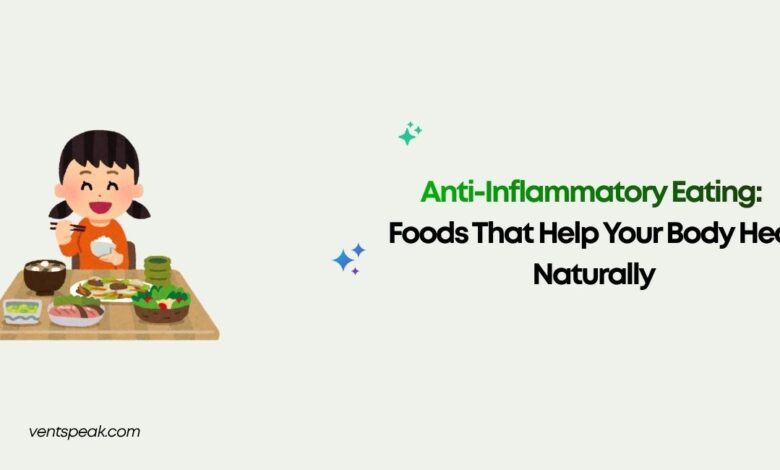
An anti-inflammatory diet is an evidence-based nutritional framework that prioritizes whole, nutrient-dense foods rich in antioxidants, polyphenols, and omega-3 fatty acids, while minimizing ultra-processed foods, refined sugars, and industrial seed oils. Rather than a restrictive weight-loss protocol, it serves as a long-term preventive health strategy designed to mitigate systemic oxidative stress and support metabolic health.
The Biology Behind an Elimination of Inflammation Diet
To understand the core mechanisms of a highly targeted elimination of inflammation diet, we must look at how food alters our cellular biochemistry.
Every food molecule you ingest communicates directly with your immune system and gut microbiome. Ultra-processed foods, simple carbohydrates, and trans fats trigger an overproduction of pro-inflammatory signaling proteins called cytokines, such as Interleukin-6 (IL-6) and Tumor Necrosis Factor-alpha (TNF-alpha).
Conversely, incorporating specific whole foods dampens these pathways. For instance, omega-3 fatty acids compete with pro-inflammatory omega-6 fatty acids at the cellular level, producing anti-inflammatory lipid mediators known as resolvins and protectins. By fundamentally shifting your plate, you alter genetic expression and hormone regulation, effectively turning down the dial on systemic swelling and oxidative stress.
Powerhouse Foods to Add to Your Plate
Emphasizing specific anti-inflammatory foods equips your body with the cellular tools needed to fight inflammation. Focus on building your meals around these key categories:
- Fatty Fish: Cold-water varieties like wild-caught salmon, mackerel, sardines, and anchovies are loaded with eicosapentaenoic acid (EPA) and docosahexaenoic acid (DHA). These essential fatty acids disrupt the metabolic pathways that fuel chronic inflammation.
- Deeply Pigmented Berries: Blueberries, blackberries, raspberries, and strawberries are rich in anthocyanins. These potent antioxidants scavenge free radicals and bolster your immune cell count.
- Dark Leafy Greens: Spinach, kale, Swiss chard, and collard greens contain high concentrations of Vitamin E, carotenoids, and flavonoids, protecting cells from oxidative stress.
- Cruciferous Vegetables: Broccoli, Brussels sprouts, and cauliflower contain a sulfur-rich compound called glucoraphanin, which converts into sulforaphane—a heavy-hitter for down-regulating inflammatory genes.
- Extra Virgin Olive Oil (EVOO): A hallmark of the Mediterranean lifestyle, high-quality EVOO contains oleocanthal, a natural compound shown to mimic the anti-inflammatory effects of ibuprofen.
- Therapeutic Spices: Turmeric (active compound curcumin, which should always be paired with black pepper for a 2,000% boost in absorption) and ginger work as natural inhibitors of pro-inflammatory enzymes.
Foods to Avoid: The Hidden Inflammatory Triggers
Calming cellular stress requires an equal focus on removing the root causes. A successful elimination of inflammation diet calls for significantly reducing or cutting out the following items:
- Refined Sugars and High-Fructose Corn Syrup (HFCS): Excess sugar floods the liver, forcing the production of free fatty acids and inducing systemic insulin resistance.
- Industrial Seed Oils: Soybean, corn, and cottonseed oils are high in omega-6 fatty acids. An excessive ratio of omega-6 to omega-3 foods promotes vascular inflammation.
- Ultra-Processed Packaged Goods: Fast food, commercial baked goods, and boxed snacks frequently contain artificial trans fats and preservatives that irritate the gut lining.
- Excessive Alcohol: Alcohol directly compromises intestinal permeability (often termed leaky gut), allowing bacterial toxins to leak into the bloodstream and trigger immune reactions.
Ultimate Anti-Inflammatory Nutrient Matrix
The following table summarizes the key compounds that turn standard food into functional medicine:
| Nutrient Category | Key Active Compounds | Primary Mechanism | Best Whole Food Sources |
| Omega-3 Polyunsaturated Fats | EPA & DHA | Blocks pro-inflammatory cytokine pathways | Wild salmon, sardines, mackerel, chia seeds |
| Polyphenols / Anthocyanins | Plant Pigments | Neutralizes free radicals, improves vascular health | Blueberries, tart cherries, dark chocolate (85%+) |
| Monounsaturated Fats | Oleic Acid & Oleocanthal | Inhibits inflammatory enzymes (COX-1 & COX-2) | Extra virgin olive oil, avocados, almonds |
| Organosulfur Compounds | Sulforaphane | Activates cellular detoxification pathways | Broccoli, Brussels sprouts, minced garlic |
| Curcuminoids | Curcumin | Suppresses NF-kB, a key inflammatory genetic switch | Turmeric root (always pair with black pepper) |
Step-by-Step Guide: Transitioning to an Anti-Inflammatory Lifestyle
Transitioning away from a standard Western diet does not need to happen overnight. Follow this practical, structured progression to build lasting wellness habits:
1.Run a Kitchen Audit:Phase 1.
Clear your pantry of hidden inflammatory triggers. Read labels carefully and remove foods containing high-fructose corn syrup, hydrogenated oils, or excessive refined flour.
2.Prioritize the Omega-3 Swap:Phase 2.
Incorporate cold-water seafood twice a week. Upgrade your everyday cooking oils by replacing vegetable, canola, or corn oil with extra virgin olive oil and avocado oil.
3.Adopt the Two-Thirds Rule:Phase 3.
When building your lunch and dinner plates, fill at least two-thirds of the visual space with colorful vegetables, low-glycemic fruits, nuts, and complex whole grains.
4.Address Non-Dietary Inflammatory Drivers:Phase 4.
Nutrition is only one piece of the puzzle. Pair your clean eating habits with seven to eight hours of quality sleep, a consistent stress-management practice, and daily physical movement to optimize cellular health.
Read More Blogs: How Mindfulness Can Improve Your Focus and Memory
Best Foods for Brain Health and Mental Clarity
A Complete Wellness Guide for 2026: Mental, Physical, and Nutritional Health
Components of Wellness: Why Each One Matters for Your Well-Being
10 Signs Your Body Needs More Nutrition and How to Fix Them
Common Mistakes to Avoid
When adopting an anti-inflammatory diet, avoid these three common pitfalls:
- Over-relying on supplements instead of whole foods: A curcumin capsule cannot undo the inflammatory impact of a poor diet. Whole foods offer synergistic nutrient interactions that isolated pills cannot replicate.
- Ignoring gut health: Systemic health relies heavily on a robust microbiome. Be sure to fuel your beneficial gut bacteria with plenty of prebiotic fiber from leeks, onions, and asparagus.
- Assuming “gluten-free” means anti-inflammatory: Many gluten-free alternatives are highly processed and packed with refined starches and sugars that cause rapid blood sugar spikes.
Frequently Asked Questions
What is an anti-inflammatory diet?
It is a health-focused eating framework centered on whole, minimally processed foods—such as fatty fish, berries, leafy greens, and olive oil—that naturally lower marker proteins linked to chronic systemic inflammation.
What are the fastest acting anti-inflammatory foods?
While results vary by individual, foods rich in bioavailable antioxidants and active enzymes—such as wild-caught salmon, ginger tea, fresh turmeric, and extra virgin olive oil—can begin calming metabolic inflammation markers within days.
Can an anti-inflammatory diet help with joint pain and arthritis?
Yes. Clinical studies show that a diet rich in omega-3 fatty acids and phytonutrients can significantly reduce pain scores, morning stiffness, and the need for NSAID medications in individuals with rheumatoid arthritis and osteoarthritis.
Is coffee considered inflammatory or anti-inflammatory?
For most people, coffee is highly anti-inflammatory. It contains a dense network of polyphenols and antioxidant compounds. However, adding refined sugars, artificial syrups, or heavy cream can reverse these benefits.
Are eggs allowed on an elimination of inflammation diet?
Yes, but source quality matters. Pasture-raised eggs are rich in omega-3 fatty acids and antioxidants like lutein. Conventional eggs from factory-farmed environments typically carry higher levels of pro-inflammatory omega-6 fats.
How do I know if my body is chronically inflamed?
Persistent symptoms include chronic joint stiffness, recurring brain fog, digestive issues, skin flares (like eczema or psoriasis), unexplained fatigue, and stubborn abdominal fat. A doctor can run a high-sensitivity C-reactive protein (hs-CRP) blood test to confirm inflammation levels.
Are all nightshade vegetables inflammatory?
No. Tomatoes, eggplants, and peppers contain solanine, which a small subset of people with autoimmune sensitivities find irritating. For the general public, nightshades are highly nutritious, packed with lycopene and vitamin C, and act as potent anti-inflammatory agents.
Can switching to this diet fix a damaged gut lining?
A diet emphasizing amino acids, zinc, omega-3s, and prebiotic fiber provides the foundational building blocks required for mucosal repair, helping heal hyper-permeable intestinal tissues over several months.
Embracing an anti-inflammatory diet is an empowering investment in your longevity and long-term health. Rather than following rigid restrictions, focus on consistently adding nutrient-dense whole foods to your daily routine. By crowding out processed triggers with nature’s therapeutic ingredients, you provide your immune system, metabolism, and cells the optimal environment to heal naturally from the inside out.