

A digital detox is a deliberate, voluntary break from digital devices to mitigate screen overuse and promote offline activities. In an era dominated by constant connectivity, establishing healthy screen boundaries lowers stress hormones like cortisol, alleviates technology fatigue, and significantly improves emotional well-being. By intentionally reducing your time spent on smartphones, computers, and social media platforms, you allow your nervous system to recover from chronic digital overload.
Implementing a structured tech break enhances psychological health by mitigating social media-related anxiety and the “fear of missing out” (FOMO). According to preventive healthcare insights, chronic overexposure to blue light disrupts our natural circadian rhythms, leading to poor sleep quality and heightened mental strain. Transitioning toward a balanced digital lifestyle promotes neuroplasticity, restores focus, and fosters mindful, face-to-face social connections.
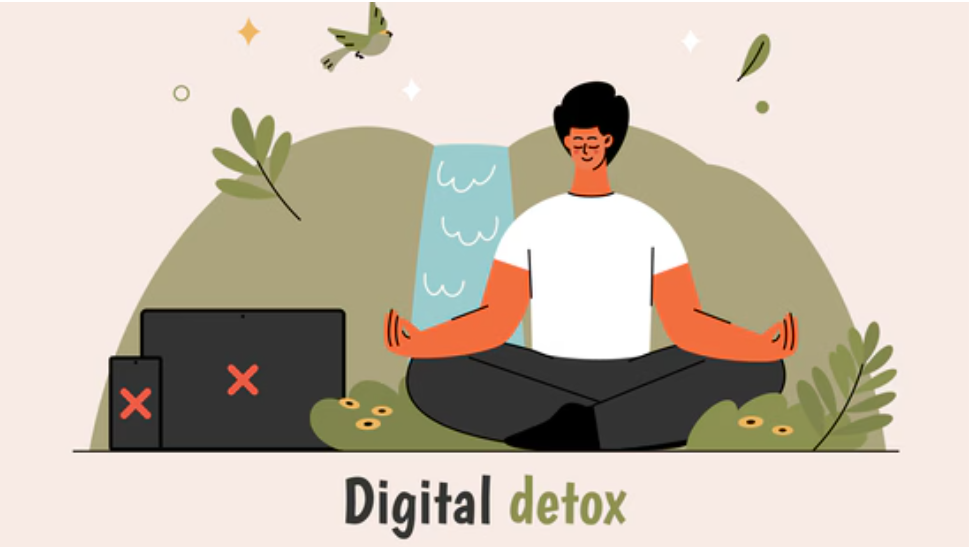
What is a Digital Detox?
A digital detox is a designated period during which an individual refrains from using electronic devices such as smartphones, tablets, computers, and social media platforms. The primary purpose is to reduce stress, prevent burnout, and encourage physical, real-world interactions.
The Science of Digital Overload and Technology Fatigue
Modern lifestyle habits heavily rely on digital infrastructure, yet constant notifications and application multitasking trigger continuous dopamine spikes. This psychological loop frequently culminates in technology addiction and cognitive fatigue.
When your phone pings, your brain experiences an immediate stress response, elevating cortisol levels. Over time, this chronic state of alertness diminishes your attention span, impairs deep processing, and accelerates emotional exhaustion.
What are the Main Health Benefits of a Digital Detox?
A digital detox provides comprehensive physical and psychological health benefits. Transitioning to mindful device usage supports cognitive restoration and emotional equilibrium.
- Reduced Anxiety and Cortisol Levels: Minimizing constant alerts and social media streams lowers physiological stress markers and alleviates anxiety.
- Enhanced Sleep Quality: Eliminating bedtime screen exposure reduces blue light interference, facilitating natural melatonin production and deeper restorative sleep.
- Improved Focus and Cognitive Productivity: Breaking the cycle of digital distraction increases attention spans and boosts problem-solving efficiency.
- Boosted Emotional Well-Being: Replacing passive scrolling with physical fitness, nature exposure, and real-life connections improves mood and long-term self-esteem.
Read More Blog:A Beginner’s Guide to Intermittent Fasting Safely
Signs You Urgently Need a Tech Break
Recognizing the physiological and psychological symptoms of digital burnout is crucial for preventive healthcare.
1. Persistent Fatigue and Poor Sleep
If you struggle to fall asleep or experience fragmented sleep patterns despite being physically exhausted, evening screen time is a likely contributor.
2. Difficulty Concentrating and Chronic Procrastination
An inability to focus on a single task without checking your smartphone every few minutes indicates that digital overstimulation is shortening your attention span.
3. Elevated Irritability and Social Comparison Anxiety
Experiencing negative emotions, decreased self-worth, or sudden irritability while browsing social media feeds is a strong sign of digital fatigue.
Read More Blogs:How Mindfulness Can Improve Your Focus and Memory
5 Actionable Strategies for an Effective Digital Detox
To successfully implement a digital detox without disrupting your professional commitments, adopt a gradual, structured approach.
1. Establish Physical Device-Free Zones
Designate specific areas in your home—such as the bedroom, dining table, and living room—as strictly offline zones. Keeping smartphones out of the bedroom prevents doomscrolling and directly optimizes sleep hygiene.
2. Silence Non-Essential Notifications
Modify your device settings to disable alerts from social media, entertainment apps, and news outlets. By deciding when you intentionally consume data rather than reacting to random pings, you regain control over your attention.
3. Leverage Built-In Digital Well-Being Trackers
Utilize native applications like Apple’s Screen Time or Android’s Digital Wellbeing, or install habit-building tools such as Forest. Set strict daily usage caps on distracting platforms to enforce behavioral accountability.
4. Implement Screen-Free Morning and Evening Routines
Avoid touching electronic devices for the first 30 minutes after waking up and the final 60 minutes before bed. Swap late-night browsing with analog alternatives like reading a physical book, stretching, or journaling.
5. Plan Engaging Offline Activities
Fill your open schedule with fulfilling real-world hobbies. Prioritize physical fitness, outdoor nature walks, meditation, or direct face-to-face social interactions to stimulate healthy endorphin release.
Read More Blogs:10 Daily Habits for a Healthier Mind and Body in 2026
Digital Detox Strategies for Workplace Productivity
Reducing screen fatigue while fulfilling remote or office work responsibilities requires tactical boundaries.
- Apply the Pomodoro Technique: Work focused intervals for 25 minutes followed by a 5-minute entirely screen-free break to rest your eyes.
- Batch Communication Checks: Avoid leaving email clients open continuously; instead, schedule specific intervals (e.g., 9 AM, 1 PM, and 4 PM) to handle correspondence.
- Utilize Analog Tools: Use a physical notebook or whiteboard for brainstorming sessions and daily task lists to reduce active window-switching.
Read More Blog:How to Create a Balanced Wellness Routine for Busy Professionals
Read More Blog:The Connection Between Gut Health and Overall Wellness
Digital Overload vs. Healthy Screen Boundaries
| Metric / Aspect | Digital Overload State | Healthy Digital Boundary State |
| Average Cortisol Levels | Consistently elevated (chronic stress) | Balanced and stabilized |
| Sleep Architecture | Delayed REM onset due to blue light | Deep, restorative sleep cycles |
| Attention Span | Fragmented and highly distractible | Sustained focus and deep work capacity |
| Social Connection | Passive, comparison-based interactions | Authentic, mindful face-to-face bonds |
| Primary Tooling Used | Infinite scroll, constant push alerts | App timers, greyscale mode, scheduled blocks |
Common Digital Detox Mistakes to Avoid
- Going Cold Turkey Immediatley: Completely shutting off all tech abruptly often leads to isolation anxiety and quick relapses. Gradual reduction is more sustainable.
- Neglecting to Inform Your Network: Failing to notify close friends, family, or professional teams about your detox can cause unnecessary worry or friction.
- Failing to Replace the Screen Time: If you don’t schedule tangible offline activities to fill the void, you will likely return to passive device usage out of boredom.
Read More Blog:Simple Home Workouts for Strength, Energy, and Fitness
How We Evaluate Digital Health Recommendations
To ensure our audience receives trusted, practical, and evidence-based guidance, our editorial team evaluates lifestyle advice using the following criteria:
- Scientific Accuracy: Content must align with contemporary research in neuroscience, psychology, and sleep medicine.
- Clinical Support: Recommendations are validated by mental health professionals and preventive medicine expert insights.
- Actionable Effectiveness: Strategies must offer verifiable improvements in reducing stress levels and restoring attention spans.
- Safety and Realism: Recommendations must prevent extreme isolation, promoting sustainable balances over drastic, disruptive measures.
- Ease of Implementation: Tips must be simple enough for individuals with demanding professional and personal schedules to easily adopt.
Conclusion and Future Health Trends
A digital detox is an essential modern strategy to reclaim authority over your time, attention, and psychological well-being. By taking deliberate breaks from screens, establishing device-free zones, and curbing social media exposure, you significantly reduce anxiety and cultivate an authentic, mindful lifestyle.
Looking forward, future health trends point toward “digital nutrition”—a concept centered on consuming mindful, intentional digital content rather than practicing complete abstinence. Prioritizing consistent offline activities, engaging in regular physical fitness, and setting definitive communication boundaries ensures long-term mental clarity and emotional health. Start with small adjustments today to achieve sustainable, lifelong wellness.
Frequently Asked Questions
Can a digital detox improve my long-term sleep quality?
Yes. Eliminating screen exposure at least one hour before bedtime removes blue light interference, allowing your brain to secrete melatonin naturally. This regulates your circadian rhythm, leading to faster sleep onset and deeper sleep cycles.
How often should I schedule a tech break?
While setting small, daily screen-free boundaries is highly effective, scheduling an extended digital detox—such as 24 to 48 hours over a weekend once a month—provides significant cognitive restoration.
What are the best apps to help manage a digital detox?
Native utilities like Apple’s Screen Time and Android’s Digital Wellbeing are highly effective. Third-party applications like Forest or Freedom can block distracting websites and gamify your focus intervals.
How can I practice a digital detox if I work an online job?
You can practice a workplace digital detox by disabling non-essential notifications, batching email checks into fixed intervals, using a physical notepad for brainstorming, and taking a 5-minute screen-free break every hour.
Does cutting back on social media genuinely reduce anxiety?
Yes. Reducing your time on social media lowers stress hormones by removing persistent triggers related to social comparison, unrealistic lifestyle standards, and information overload.