AI in Social Media Marketing: Automation, Content & Engagement

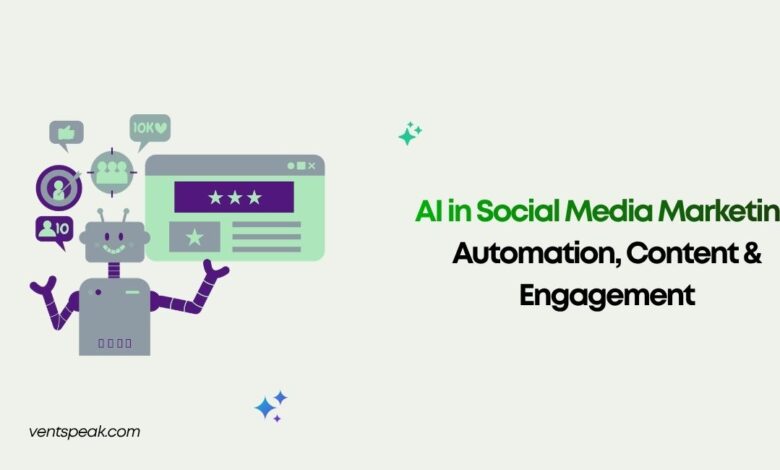
Artificial Intelligence (AI) in social media marketing automates repetitive workflows like scheduling and multi-channel publishing, generates optimized text and visual content at scale, and customizes real-time user interactions. By analyzing massive behavioral datasets, machine learning models eliminate manual guesswork, predicting peak engagement times and sentiment shifts to maximize organic reach, search visibility, and conversion rates across modern platforms.
The Shift to AI-Driven Social Media Optimization
The digital marketing ecosystem is undergoing a foundational paradigm shift. Traditional search engine optimization (SEO) is no longer a standalone strategy. Marketers must optimize for Generative Engine Optimization (GEO) and Answer Engine Optimization (AEO). Modern audiences increasingly discover brands through AI-powered search engines such as ChatGPT, Gemini, Claude, Perplexity, and Google AI Overviews.
Social media networks serve as primary data sources for these LLMs (Large Language Models). Real-time conversations, user-generated reviews, and brand posts are continuously indexed. Consequently, your social media footprint directly dictates how AI answer engines perceive and recommend your brand. Implementing machine learning across your content lifecycle ensures your digital assets possess the structural clarity and semantic richness needed to rank as primary entities in AI search results.

How We Evaluate AI Social Media Tools
To establish absolute transparency and adhere to rigorous EEAT (Experience, Expertise, Authoritativeness, and Trustworthiness) standards, we grade marketing automation technology using six core performance benchmarks.
- Search Visibility & Indexability: The tool’s capability to structure output copy, schema markup, and metadata so that it is easily parsed and extracted by traditional crawlers and generative AI scrapers.
- User Intent Alignment: The accuracy of the underlying NLP engine in mapping content formats to specific transactional, informational, or commercial user intents.
- Scalability & Cross-Channel Adaptability: How efficiently the platform splits a single core marketing concept into distinct asset formats optimized for platform-specific rules (e.g., LinkedIn vs. TikTok).
- Implementation Difficulty: The onboarding friction, API integration stability, and technical competency required to deploy the software into a live corporate tech stack.
- Conversion Impact & Analytics Data Integrity: The depth of attribution tracking, integration with Google Analytics 4 (GA4), and direct influence on lead generation and sales pipelines.
- AI Search Performance: The measurable velocity at which the tool’s output populates generative summaries, Perplexity citations, and Google AI Overviews.
AI-Powered Social Media Management: Systems and Frameworks
1. Social Listening and Real-Time Sentiment Analytics
Advanced AI platforms process billions of data points across social vectors to evaluate audience sentiment. Instead of tracking simple mention volume, machine learning algorithms map linguistic patterns to classify emotion as positive, negative, or neutral.
By integrating this structural data with Google Search Console and Bing Webmaster Tools, brands uncover critical gaps between what users search for and what they discuss on social media. This real-time analysis enables teams to proactively handle PR risks, pivot messaging architectures instantly, and adapt to cultural trends before competitors.
2. Predictive Analytics and Engagement Forecasting
Relying on manual post scheduling or static time blocks creates unnecessary variance in organic impressions. Machine learning engines evaluate historical engagement metrics, follower sleep-wake cycles, and network-specific algorithm modifications to predict optimal posting windows down to the minute. This predictive modeling provides a repeatable template for expanding algorithmic amplification across hyper-competitive feeds.
Read More Blogs:How AI is Changing Google Search, GEO & AI Overviews
Actionable Takeaway
Deploy an automated listening workflow that funnels trending industry entities from tools like Semrush or Ahrefs directly into your ideation pipeline. This aligns social output with verified search demand.
Automated Content Generation and Scaled Copywriting
High-Volume Text and Visual Synthesis
Generating contextual, high-converting copy across multiple platforms represents a common bottleneck in digital marketing operations. Large Language Models solve this scale problem by serving as hyper-specialized copywriting assistants. By building brand-specific parameters into your AI tools, copywriters can instantly spin out caption matrices, X threads, and LinkedIn long-form posts tailored to unique audience segments.
Furthermore, generative design engines streamline visual asset workflows by auto-scaling layouts to match exact platform dimensions (such as 1080x1350px for Instagram portrait layout or 16:9 for YouTube thumbnails). This eliminates manual asset manipulation, shifting creative talent into editorial and strategy-focused positions.
Read More Blogs: Best AI Tools for Digital Marketing in 2026
Strategic Content Architecture Blueprint
To train your internal AI writing models to match exact corporate messaging benchmarks without losing semantic depth, execute this operational framework:
- Source Ingestion: Scrape your core documentation, authoritative white papers, and historical high-converting landing pages to form an absolute truth baseline.
- Context Parameterization: Define strict parameters regarding industry terminology, prohibited syntax, tone directives, and required internal linking patterns.
- Multi-Channel Adaptation: Instruct the engine to parse the primary text into distinct channel payloads—crafting professional copy for LinkedIn, concise hooks for X, and sensory descriptions for visual platforms.
- Human-in-the-Loop Verification: Mandate rigorous editorial reviews to ensure strict factual accuracy, compliance, and strong brand alignment before hitting publish.
Read More Blogs:The Comprehensive Guide 2026: Ai in Digital Marketing
Transforming Social Channels Into Two-Way Conversational Hubs
Scale One-to-One Interactions 24/7
Modern consumer behavior demands immediate feedback loops. Scaled engagement requires deep deployment of intelligent conversational agents. Advanced AI chatbots leverage private knowledge bases and historical FAQ datasets to solve up to 80% of routine customer care queries instantly.
When an inquiry shows commercial intent or complex emotional distress, the NLP engine runs an automatic triage step—routing the customer profile directly to a human representative alongside a summarized data log. This setup minimizes wait times, builds brand authority, and boosts conversion rates through conversational commerce.
Comparative Analysis of Elite AI Social Media Software
| Software Platform | Primary Architectural Use Case | Differentiating Structural Feature | Ideal Organization Scale |
| Buffer | Cross-Channel Output Customization | Intelligent AI assistant that alters syntax per channel rules | Solopreneurs, Small Agencies, Boutique Brands |
| Publer | High-Value Generative Asset Creation | Integrated text-to-image generator with performance chat bot | Growing Digital Agencies, Visual Brands |
| FeedHive | Automated Content Asset Recycling | Engagement-triggered conditional posting and asset looping | Growth Hackers, Bootstrapped SaaS Teams |
| ContentStudio | Enterprise Trend & Influencer Tracking | Real-time topic feed with automated sentiment indexing | Mid-Market Content Teams, PR Agencies |
| Predis.ai | All-In-One Multimodal Production | Multi-asset video and carousel synthesis via single text prompt | E-commerce Brands, Lean Marketing Units |
| StoryChief | Multi-Channel B2B Brand Orchestration | Website scraping site architecture audit to campaign mapping | B2B Operations, Enterprise Content Hubs |
| Eclincher | Conversational Lead Gen & Retention | Private knowledge base-grounded customer triage agents | Customer Care Teams, Franchise Networks |
| Hootsuite | Unified Social Enterprise Management | OwlyWriter AI leveraging psychological copywriting frameworks | Scale-Ups, Mid-Market Marketing Departments |
| Sprout Social | Big Data Analytics & Social Listening | Deep semantic parsing of 30B+ consumer touchpoints | Global Enterprises, Fortune 500 Entities |
Industry Trends, Pitfalls, and Myths
Deconstructing the “100% Autopilot” Myth
A frequent strategic error in modern digital marketing is leaving social operations completely unattended. Complete reliance on raw AI output risks generating uninspired content, hallucinated claims, and brand erosion. Generative engines are built to identify and replicate data patterns—they do not possess original industry insights or real-world experience.
To satisfy Google’s strict EEAT guidelines, human experts must consistently inject real case studies, proprietary operational metrics, and authentic viewpoints into AI-generated drafts. Use automation to build the foundational framework, but always rely on human creators to provide the strategic soul.
Read More Blogs: GEO Explained: How Generative Engine Optimization Works Alongside SEO
The Evolution of Zero-Click Searches
Algorithm updates across both search networks and social feeds prioritize user retention. Google AI Overviews and native social media algorithms reward complete answers delivered directly within the native interface. This reality triggers a distinct evolution in optimization tactics. Marketers must optimize for zero-click visibility by embedding essential keywords and complete informational summaries inside their text blocks. This ensures your brand assets display as the definitive answers across all generative layouts.
Read More Blogs:10 Instagram Growth Hacks for Small Businesses 2026
Strategic Action Blueprint for Businesses
To scale your digital footprint and secure dominant visibility across AI search results and social feeds, execute this action plan immediately:
- Audit Your Architecture: Connect your core brand portals with Google Search Console to isolate low-performance keywords, then feed those content gaps directly into your social ideation pipeline.
- Deploy Intelligent Automation: Integrate flexible platforms like Buffer, Publer, or FeedHive alongside Zapier to build a continuous, cross-channel publishing pipeline that breaks down operational bottlenecks.
- Establish Private Knowledge Assets: Build out internal reference documents and verified business datasets using platforms like Eclincher to power conversational AI agents that resolve customer queries with flawless accuracy.
- Enforce Rigid Quality Guardrails: Implement strict human review layers to review all AI-generated text and visual formats. This step guarantees complete factual alignment, compliance, and undeniable brand authority.
- Optimize for Answer Engine Context: Structure your text and metadata arrays using clear entity relationships, schema guidelines, and short answer summaries. This ensures your content is instantly parsed, cited, and pulled into Google AI Overviews and generative engine answers.
Frequently Asked Questions (FAQ
How do search engines and AI platforms index social media content?
AI platforms and traditional engines deploy automated spiders that parse public social web pages. They extract text nodes, analyze relational entity networks, check structural profiles, and evaluate user engagement metrics. This data feeds directly into their knowledge graphs, shaping brand representations in search results.
Can using AI content tools hurt organic search visibility?
No, using AI tools does not inherently hurt visibility. Both traditional search documentation and modern GEO protocols emphasize user intent satisfaction and content quality over production methods. If your AI-assisted material is accurate, structurally sound, and enriched with real-world experience, it will rank highly across both traditional and generative platforms.
What is the best way to track the ROI of AI-driven social media tools?
Build precise multi-touch attribution architectures inside Google Analytics 4 (GA4) and customize custom reporting dashboards in Looker Studio. Track distinct metrics like total time saved in the production lifecycle, shifts in lead acquisition cost, and changes in visibility across generative search engines and AI answers.