
If you have ever tried to overhaul your diet overnight by loading up on beans, lentils, and broccoli, you likely experienced an unpleasant side effect: severe bloating, gas, and digestive distress. While a high fiber diet is fundamental for gut health, weight management, and long-term preventive health, ramping up too quickly shocks your digestive system.
Learning how to add more fiber to your diet gradually is the secret to reaping all the rewards without the uncomfortable cramping.
Daily Fiber Intake & Gradual Increments
Adults should generally aim for a daily fiber intake of 28 to 34 grams per day (roughly 25g to 38g depending on age and sex), or at least 30 grams as recommended by organizations like the American Institute for Cancer Research (AICR). To avoid gas and bloating, increase your consumption slowly by 3 to 5 grams every few days, and always drink plenty of water to help the fiber move smoothly through your digestive tract.
Why You Need a High Fiber Diet Foods Focus
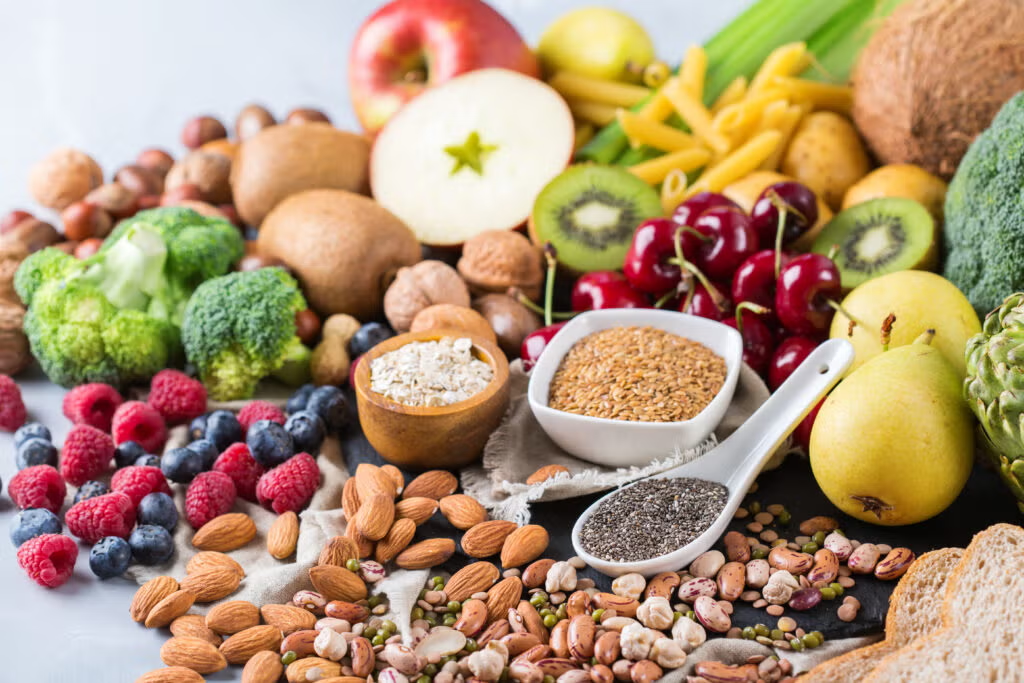
Dietary fiber is the indigestible part of plant foods. Unlike other carbohydrates that break down into sugar molecules, fiber passes through your body relatively intact. It is broadly categorized into two types:
- Soluble Fiber: Dissolves in water to form a gel-like substance, helping lower blood cholesterol and glucose levels. Found in oats, beans, lentils, and apples.
- Insoluble Fiber: Adds bulk to your stool and helps food pass more quickly through the stomach and intestines. Found in whole wheat, brown rice, nuts, and dark leafy greens.
Adopting a lifestyle centered around high fiber diet foods provides substantial evidence-based health benefits, including enhanced metabolic wellness, stable blood sugar levels, and a reduced risk of chronic conditions like colorectal cancer.
Step-by-Step Guide: How to Increase Fiber Without Upsetting Your Stomach
Ramping up your intake requires patience. Follow this practical, step-by-step framework to transition comfortably.
Step 1: Assess Your Current Baseline
Track your food for two typical days without changing your eating habits. Most people consume only about 15 grams of fiber daily—half of what is recommended. Knowing your starting point shows you how big of a gap you need to close.
Step 2: Increase by 5 Grams Every Week
Do not jump straight from 15 grams to 35 grams overnight. Instead, add roughly 5 grams of extra fiber per week. For perspective, 5 grams of fiber is equivalent to:
- One medium pear or apple with the skin on
- Half a cup of cooked black beans or lentils
- One cup of cooked oatmeal or a high-fiber breakfast cereal
Step 3: Match Every Increase with Water
Fiber acts like a sponge, drawing water into your stool to keep digestion moving. If you increase your daily fiber intake without increasing your fluid intake, you run the risk of experiencing severe constipation or cramping. Aim for an extra glass of water every time you step up your fiber tier.
Best Sources of Fiber: A Quick Reference Table
Choosing the best sources of fiber ensures you hit your goals without eating massive volumes of food. Here is how common choices stack up:
| Food Category | Food Item (Standard Serving) | Approximate Fiber Content |
| Legumes | Lentils (1 cup, boiled) | 15.5 grams |
| Legumes | Black Beans (1 cup, cooked) | 15.0 grams |
| Grains | Pearled Barley (1 cup, cooked) | 6.0 grams |
| Grains | Rolled Oats (1 dry cup) | 8.0 grams |
| Fruits | Raspberries (1 cup fresh) | 8.0 grams |
| Fruits | Medium Apple (with skin) | 4.4 grams |
| Vegetables | Green Peas (1 cup, boiled) | 8.8 grams |
| Vegetables | Broccoli (1 cup, chopped) | 5.1 grams |
| Seeds/Nuts | Chia Seeds (1 ounce / 2 tbsp) | 10.0 grams |
Which Foods Have More Fiber? Smart Swaps for Everyday Meals
If you are wondering which foods have more fiber, the general rule is to look for whole, unrefined plant foods. Replacing refined items with whole-food alternatives is an effortless way to transform your plate.
- Breakfast Upgrade: Swap a sugary, low-fiber cereal for steel-cut oats topped with raspberries and a tablespoon of chia seeds.
- Lunch Adjustment: Ditch white bread sandwiches and opt for 100% sprouted whole-grain bread or pack a nutrient-dense grain bowl featuring quinoa and roasted vegetables.
- Dinner Alteration: Mix half a cup of rinsed chickpeas or lentils directly into your ground turkey chili or pasta sauce.
Common Mistakes to Avoid
When building a high-fiber lifestyle, watch out for these pitfalls:
- Ramping Up Too Fast: The number one cause of gas, bloating, and abandonment of healthy goals. Slow down and give your microbiome time to adapt.
- Neglecting Hydration: Forgetting to drink water alongside your fiber upgrade leads directly to digestive blockages.
- Relying Solely on Supplements: Fiber powders can help, but they lack the vital vitamins, minerals, and antioxidants found naturally in whole foods.
- Peeling Your Produce: Much of the insoluble fiber in fruits and vegetables (like apples, cucumbers, and potatoes) resides right in the skin. Wash them thoroughly and eat them intact whenever possible.
Related Articles
- How to Make Healthy Habits Stick: The Psychology of Consistency
- Functional Fitness: What It Is and Why It Matters in Everyday Life
- How to Build an Exercise Routine You Can Actually Maintain
Conclusion
Incorporating fiber into your daily routine does not require a drastic, uncomfortable lifestyle overhaul. By understanding your baseline, choosing nutrient-dense high fiber diet foods, and increasing your portions by just a few grams each week, you can permanently transform your digestive and preventive health. Prioritize hydration, embrace whole-food swaps, and let your body adapt at a sustainable pace for long-lasting wellness benefits.
Frequently Asked Questions
1. How much fiber per day should an adult consume?
Adults should generally aim for 28 to 34 grams of fiber daily, or at least 30 grams based on recommendations from health organizations like the American Institute for Cancer Research. Exact targets depend on age and biological sex.
2. What are the signs that I am eating too much fiber too quickly?
Common indicators include abdominal cramping, acute bloating, excessive gas, diarrhea, or temporary constipation if fluid intake is too low.
3. Which food has the highest amount of fiber?
Legumes (such as lentils and split peas), certain seeds (like chia and flaxseeds), and high-fiber brans offer some of the highest concentrations of dietary fiber per serving.
4. Can I get enough fiber on a low-carb diet?
Yes, you can source fiber from low-carb, high-fiber options such as chia seeds, flaxseeds, avocados, leafy greens, broccoli, and raspberries without exceeding your carbohydrate limits.
5. Do I need fiber supplements, or is food enough?
Whole foods are always preferred because they deliver a complex matrix of vitamins, minerals, and phytonutrients. Supplements can be used to bridge gaps, but they should be introduced cautiously alongside plenty of water.