
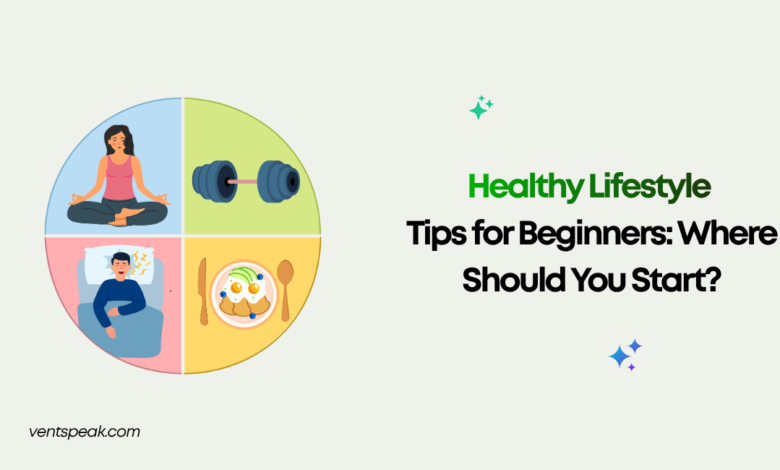
Embarking on a journey toward better health can feel overwhelming. With endless advice floating across the internet regarding diets, biohacking, and intense workout routines, knowing where to take your very first step is the hardest part. If you have ever asked yourself, “how to become fit” without turning your entire life upside down, you are in the right place.
Building a sustainable, healthy lifestyle doesn’t require punishing workouts or restrictive diets. Instead, it starts with understanding how to be active, learning how to exercise safely, and discovering small ways how to be active all day.
How to Begin Your Fitness Journey
For beginners looking to build a sustainable routine, health authorities like the CDC recommend aiming for at least 150 minutes of moderate-intensity aerobic physical activity (such as brisk walking) per week, paired with 2 days of muscle-strengthening exercises. Rather than attempting a complete overhaul overnight, start small: integrate 10 to 15 minutes of daily movement, prioritize consistency over intensity, and gradually scale up your physical fitness exercises.
Understanding the Foundation: What Does “Fitness” Really Mean?
healthy lifestyle True physical fitness is not about achieving an aesthetic ideal or running a marathon on day one. From a clinical perspective, fitness is a multi-dimensional state encompassing cardiovascular endurance, muscular strength, flexibility, and body composition.
When figuring out how to become fit, beginners often make the mistake of equating fitness with exhaustion. Evidence-based wellness shows that health gains stem from progressive overload—gradually increasing the demands placed on the body systems over time.
Core Pillars of Beginner Fitness
- Cardiorespiratory Endurance: Activities that elevate your heart rate and improve oxygen efficiency.
- Muscular Strength & Endurance: Exercises that challenge your muscles using resistance (weights or body weight).
- Flexibility and Mobility: Movements that preserve joint health and prevent injury.
- Balance and Stability: Neuromuscular training that keeps you steady, particularly crucial as we age.
Step 1: Learning How to Be Active (Without Stepping Foot in a Gym)
You do not need an expensive gym membership to transform your health. Transitioning from a sedentary routine to an active lifestyle begins with redefining movement.
Practical Ways to Incorporate Movement Daily
- Pace While Talking: Turn phone calls into walking sessions around your home or office.
- Embrace Active Commutes: Park further away from store entrances or get off public transit one stop early.
- Reclaim Housework: Vigorous vacuuming, gardening, and sweeping count as legitimate physical activity.
Medical experts emphasize that breaking up prolonged sitting reduces metabolic risks. By focusing on how to be active in natural, low-pressure ways, you build the psychological momentum needed for structured workouts.
Step 2: Figuring Out How to Exercise Safely and Effectively
When you are ready to transition from casual movement to structured workouts, knowing how to exercise correctly protects you from burnout and injury.
Beginner-Friendly Physical Fitness Exercises
To meet standard health guidelines without feeling overwhelmed, focus on fundamental movement patterns:
| Exercise Category | Beginner Examples | Recommended Frequency | Primary Health Benefit |
| Cardio / Aerobic | Brisk walking, cycling, swimming | 3 to 5 days a week (20–30 mins) | Improves heart health & stamina |
| Strength Training | Bodyweight squats, wall push-ups, chair stands | 2 days a week | Preserves muscle mass & bone density |
| Mobility & Balance | Gentle yoga, dynamic stretching | 2 to 3 days a week | Enhances joint health & prevents falls |
Expert Insight: Always begin sessions with a 5-minute dynamic warm-up (such as arm circles and marching in place) to increase blood flow to muscles, and end with static stretches to aid recovery.
Step 3: Mastering How to Be Active All Day (NEAT Integration)
Structured exercise accounts for only a tiny fraction of your day. The secret weapon for long-term health is maximizing your NEAT (Non-Exercise Activity Thermogenesis)—the energy expended for everything we do that is not sleeping, eating, or sports.
Blueprint for an All-Day Active Routine
- Morning Wake-Up: Do 5 minutes of light stretching or mobility work before checking your phone.
- The “Every Hour” Rule: Set a silent timer to stand up, stretch, or walk for 2 minutes every 60 minutes.
- Desk Adaptations: If you work a desk job, consider a variable-height standing desk or perform seated leg raises.
- Evening Wind-Down: Form a family habit of taking a 15-minute post-dinner walk to optimize digestion and blood glucose regulation.
Nutritional Synergy and Recovery Essentials
Physical activity cannot outrun poor nutrition or chronic sleep deprivation. To support your goal of how to become fit, anchor your lifestyle with foundational wellness habits:
- Hydration First: Dehydration mimics fatigue. Keep a water bottle nearby and sip consistently throughout the day.
- Nutrient Density: Prioritize whole foods, lean proteins, colorful vegetables, and complex carbohydrates to fuel cellular repair.
- Prioritize Rest: Muscle tissue repairs and grows stronger during deep sleep, not during the workout itself. Aim for 7–9 quality hours nightly.
Common Mistakes Beginners Must Avoid
Navigating your new lifestyle smoothly means sidestepping typical pitfalls:
- Going Too Hard, Too Fast: High-intensity regimens often lead to severe muscle soreness, joint pain, or dropout within three weeks.
- Neglecting Recovery: Rest days are not a sign of weakness; they are a biological necessity for adaptation.
- Chasing Perfection: Missing a workout does not ruin your progress. Consistency over months and years matters far more than a single flawless week.
- Ignoring Pain vs. Discomfort: Muscle fatigue feels like a dull burn; sharp or localized joint pain is a warning sign to stop immediately.
Related Articles
- Amla Benefits: Why Indian Gooseberry Is Considered a Wellness Superfood
- Ashwagandha Benefits: Traditional Uses and What to Know Before Taking It
- Triphala Benefits: How This Ayurvedic Formula Is Traditionally Used for Wellness
Conclusion
Learning how to become fit is not a sprint; it is a gradual, rewarding shift in how you inhabit your daily life. By understanding how to be active, integrating intentional physical fitness exercises, and discovering small methods on how to be active all day, you lay the groundwork for lifelong vitality. Focus on small, sustainable wins, listen to your body, and celebrate every step forward on your wellness journey.
Frequently Asked Questions (FAQs)
1. How can a complete beginner start working out without getting hurt?
Start with low-impact movements like walking or bodyweight exercises (e.g., chair squats). Always consult a healthcare provider if you have underlying health conditions, warm up before exercising, and listen to your body.
2. How much physical activity do I actually need each week?
Health organizations recommend a minimum of 150 minutes of moderate-intensity aerobic activity (such as brisk walking) and two days of muscle-strengthening exercises weekly.
3. What if I genuinely do not have time to exercise?
Break your activity into manageable “exercise snacks”. Three 10-minute walks spread throughout the day equal a 30-minute workout session and provide identical cardiovascular benefits.
4. Do I need to join a gym to get fit?
Not at all. Bodyweight training, resistance bands, outdoor walking, and home-based routines are exceptionally effective for building strength, endurance, and overall health.
5. How long does it take to see results when starting a fitness routine?
You may notice immediate improvements in mood, energy levels, and sleep quality within 1 to 2 weeks. Measurable physical changes in strength and cardiovascular endurance typically appear within 4 to 8 weeks of consistent practice.