What Is a Healthy Lifestyle? Key Habits for Physical and Mental Wellness


Achieving lifelong well-being is rarely about making a single, massive change. Instead, true health is built upon the foundation of consistent, science-backed healthy Lifestyle that compound over time. Whether you want to boost your energy, sharpen your mental focus, or protect your long-term physical health, understanding what constitutes a balanced lifestyle is the first step toward lasting change.
What Makes a Healthy Lifestyle?
A healthy lifestyle is defined by consistent daily habits that nurture both physical and mental well-being. Core pillars include eating a nutrient-dense diet, engaging in regular physical activity, managing psychological stress, maintaining proper sleep hygiene, and cultivating strong social connections. Rather than pursuing perfection, a sustainable healthy lifestyle routine relies on flexibility, small steps, and behavioral consistency to lower chronic disease risks and enhance overall quality of life.
The Core Pillars of a Healthy Lifestyle Routine
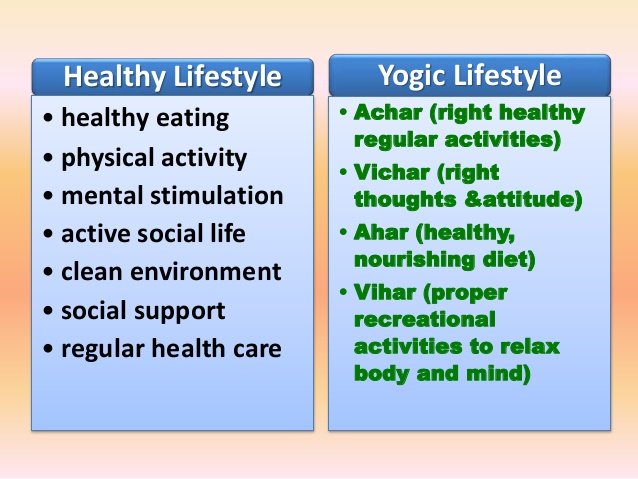
Building an ideal daily routine requires addressing the body and mind as an interconnected system. The following evidence-based pillars form the backbone of physical and mental wellness.
1. Nutrition and Hydration
What you put on your plate dictates your cellular health, energy levels, and metabolic function. A balanced intake of macronutrients (lean proteins, complex carbohydrates, and healthy fats) combined with micronutrients from colorful fruits and vegetables fuels daily performance.
- Prioritize whole foods: Focus on minimally processed ingredients rich in fiber, vitamins, and antioxidants.
- Stay hydrated: Keep water accessible throughout the day to support cognitive performance, digestion, and cellular metabolism.
2. Regular Physical Activity
Movement is medicine. The American Heart Association recommends at least 150 minutes of moderate-intensity aerobic exercise or 75 minutes of vigorous activity weekly, supplemented by strength-training sessions.
- Incorporate structured workouts alongside casual movement, such as walking breaks or light stretching.
- Physical movement triggers the release of endorphins, enhancing mood and protecting cardiovascular health.
3. Restorative Sleep Hygiene
Sleep is a biological imperative, not a luxury. Most adults require 7 to 9 hours of quality sleep per night. Deep and REM sleep cycles allow the brain to clear metabolic waste, consolidate memories, and regulate stress hormones like cortisol.
- Maintain a consistent sleep-wake schedule, even on weekends.
- Create a wind-down window by dimming lights and minimizing screen exposure at least an hour before bed.
Crafting the Best Routine for Daily Life
Transitioning health aspirations into actions can feel overwhelming without a structural framework. Implementing a healthy routine reduces decision fatigue, lowers anxiety, and fosters a predictable framework for success.
Sample Daily Wellness Blueprint
| Time of Day | Recommended Focus | Actionable Steps |
| Morning | Activation & Hydration | Wake at a consistent time, drink a glass of water, seek natural sunlight within 30 minutes, and engage in light movement or stretching. |
| Afternoon | Fuel & Focus | Consume a protein-and-fiber-rich meal, take short cognitive breaks, and complete a 20-to-30-minute walk. |
| Evening | Wind-Down & Recovery | Turn off electronic devices, practice journaling or mindfulness, and keep the bedroom cool, dark, and quiet. |
For additional insights on how structure supports human psychology, explore this detailed guide on the health benefits of having a routine.
Preventive Health Strategies and Mental Wellness
Preventive health shifts the medical focus from treating illness to sustaining wellness. Integrating mindfulness, emotional regulation, and routine health screenings protects long-term vitality.
- Stress Management: Chronic stress elevates systemic inflammation. Practicing brief daily breathwork, meditation, or grounding exercises helps mitigate these effects.
- Mental Resilience: Emotional stability is reinforced by structure. Predictable daily rhythms lower baseline anxiety and build psychological resilience against unexpected life disruptions.
Common Mistakes to Avoid When Changing Habits
Embarking on a wellness journey often leads to common pitfalls that derail progress. Keep these missteps in mind to stay on track:
- The All-or-Nothing Trap: Believing that a missed workout or an indulgent meal ruins your progress. Real health embraces flexibility.
- Overhauling Everything at Once: Trying to change sleep, diet, and exercise simultaneously frequently leads to burnout. Introduce changes incrementally.
- Ignoring Recovery: Pushing through exhaustion without adequate rest spikes injury risks and drains mental energy.
Related Articles
To continue your wellness journey, explore these helpful resources:
- How to Make Healthy Habits Stick: The Psychology of Consistency
- Functional Fitness: What It Is and Why It Matters in Everyday Life
- How to Build an Exercise Routine You Can Actually Maintain
Conclusion
Embracing a healthy lifestyle is a continuous, empowering journey rather than a finite destination. By grounding your days in practical, research-backed healthy habits, you cultivate a sustainable healthy lifestyle routine that protects your body and enriches your mind. Remember that lasting progress stems from small, consistent choices. Focus on progress over perfection, listen to your body, and allow your daily wellness rituals to evolve naturally with your life.
Frequently Asked Questions (FAQs)
What are the most important healthy habits to start with?
Begin with foundational elements like drinking a glass of water upon waking, establishing a fixed wake-up time, adding one vegetable to every meal, and taking a short daily walk. Small actions compound into major lifestyle shifts.
How long does it take to form a new daily routine?
While popular myths suggest 21 days, psychological research indicates that building an automatic habit can take anywhere from 18 to 254 days, depending on the complexity of the behavior and individual consistency.
Can a rigid routine cause stress instead of reducing it?
Yes. If a routine becomes overly restrictive or punishing, it can increase anxiety. An effective schedule should feature flexibility and serve as a supportive framework rather than an unyielding cage.
How do daily habits impact long-term preventive health?
Consistent positive behaviors—such as regular cardiovascular exercise, nutrient-dense diets, and adequate sleep—drastically lower the lifetime incidence of chronic conditions like type 2 diabetes, cardiovascular disease, and clinical depression.
What is the best way to maintain a healthy routine while traveling?
Focus on non-negotiable anchor habits, such as maintaining a consistent wake-up time, staying hydrated, prioritizing brief bodyweight movements in your hotel room, and practicing deep breathing exercises.