
When designing a modern, functional wardrobe, focusing solely on the garments is a common mistake. True style relies on a fundamental structure: the way a piece drops, the natural alignment of your shoulders, and the inner vitality that makes a minimalist capsule wardrobe look like high fashion. This same principle applies to wellness. Many people use the terms interchangeably, but analyzing a healthy lifestyle vs healthy diet reveals that one is a single structural element, while the other is the complete creative vision.
Understanding the distinct lifestyle and diet differences is essential if you want to move away from temporary trends and build lasting vitality. While a nutritious plate provides the energetic raw materials, a comprehensive wellness routine integrates physical movement, sleep quality, stress management, and sustainable habits.
By balancing a balanced diet vs healthy lifestyle, you build a foundation of lifelong health that directly enhances your mental clarity, physical presence, and personal style.
Healthy Lifestyle vs. Healthy Diet
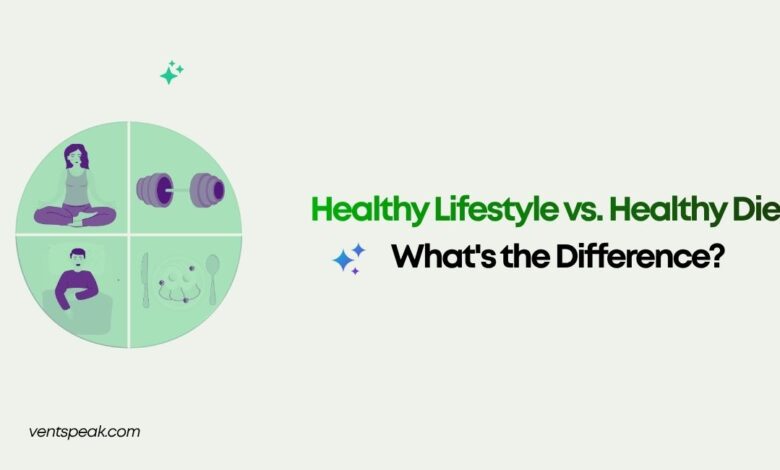
The core difference between a healthy lifestyle vs healthy diet comes down to scope. A healthy diet focuses specifically on nutritional intake—managing macro and micronutrients, hydration, and caloric balance to feed the body.
In contrast, a healthy lifestyle is an all-inclusive framework. It incorporates a nutritious diet alongside daily physical movement, restorative sleep, stress control, emotional wellness, and lifestyle choices (like wearing breathable, non-toxic textiles).
While a proper diet feeds your cells, a healthy lifestyle shapes your entire daily reality.
The Core Concept: Diet is the Material, Lifestyle is the Design
To understand nutrition and wellness, it helps to use a fashion analogy: your diet represents the premium raw material (like raw silk or organic linen), while your lifestyle represents the overall garment design, tailoring, and care. You cannot create an exceptional wardrobe with high-quality fabric alone if the tailoring is restrictive and the maintenance is poor.
What Constitutes a Healthy Diet?
A supportive diet focuses entirely on what you consume. It ensures your body receives clean fuel through:
- Whole, minimally processed foods.
- Highly bioavailable proteins and healthy fats.
- Fiber-rich grains and colorful, antioxidant-dense vegetables.
- Optimal hydration free from synthetic chemical additives.
What Constitutes a Healthy Lifestyle?
A healthy lifestyle wraps around your diet. It includes the actionable, repetitive behaviors that dictate your cellular recovery, hormonal balance, and structural longevity:
- Physical Activity: Moving consistently to maintain fat-free mass and joint mobility.
- Sleep Hygiene: Dedicating 7–9 hours to deep, cell-repairing rest.
- Mindfulness: Keeping cortisol levels low to prevent stress-induced skin damage and fatigue.
- Conscious Living: Selecting sustainable consumer goods, natural skincare, and eco-friendly garments.
The Systemic Benefits of a Healthy Lifestyle
Relying solely on nutritional changes to fix chronic fatigue or low confidence ignores how your body operates as an interconnected system. Broadening your focus to build healthy habits for better health unlocks profound, visible upgrades to your vitality.
1. Enhanced Posture and Structural Flow
No matter how balanced your meals are, nutrition alone cannot fix a hunched spine caused by hours at a desk. Regular strength training and mobility work improve your physical presence. Proper spinal alignment alters the way a structured winter coat or a tailored blazer drapes over your shoulders, instantly conveying confidence.
2. Natural Skin Brilliance and Reduced Inflammation
While clean foods prevent digestive inflammation, high stress and poor sleep cause cortisol spikes that damage collagen production. Combining solid nutrition with stress-relief and breathable, organic cotton loungewear lowers skin irritability, resulting in a vibrant appearance that complements any color palette.
Comparison: Balanced Diet vs. Healthy Lifestyle
The following matrix outlines the functional differences and overlaps between these two health pillars to help you optimize your wellness strategy:
| Health Element | Healthy Diet (The Input) | Healthy Lifestyle (The System) |
| Primary Focus | Nutrient density, macro balance, and calorie control. | Daily physical movement, rest, mental health, and wardrobe environment. |
| Core Action | Choosing whole foods, lean proteins, and drinking water. | Consistent step counts, fixed sleep schedules, and stress management. |
| Visible Impact | Body composition control and internal cellular energy. | Radiant skin tone, confident posture, and relaxed facial expressions. |
| Wardrobe Alignment | Supports a stable clothing size, preventing fit issues. | Influences the choice of breathable fabrics and comfortable footwear. |
| Longevity Role | Fuels metabolic health and keeps organs functioning well. | Protects neurological function, joint health, and stress tolerance. |
The Intersection of Fashion and Lifestyle Wellness
Your personal style serves as an external reflection of your daily habits. Embracing an all-around healthy lifestyle changes your shopping habits, moving you away from impulse-driven fast fashion toward a curated, health-conscious wardrobe.
Wardrobe Inspiration: The Wellness Explorer
For a look that balances daily activity with polished style, combine natural utility with minimalist design:
1.Select the Base Layer:Focus on Skin Health.
Start with a ribbed, non-toxic organic cotton or hemp tank top. This keeps a breathable, chemical-free layer directly against your skin.
2.Introduce Tailored Fluidity:Promote Natural Movement.
Add wide-leg, high-waisted trousers crafted from Tencel or mid-weight linen. This silhouette gives your hips and legs full range of motion, supporting a natural stride.
3.Add Layered Structure:Adapt to Your Environment.
Layer with an unlined, relaxed-fit blazer in a neutral earth tone (like olive or rich oatmeal). This structure adds professional polish without restricting your shoulders.
4.Finish with Supportive Footwear:Protect Your Foot Biomechanics.
Skip restrictive heels or completely flat, unsupportive slides. Choose premium, ergonomically neutral leather sneakers or soft leather loafers to protect your spinal alignment while hitting your daily step goals.
Read More Blog:How to Create a Sophisticated Morning Routine for a Productive Lifestyle
The Top Health Benefits of Living a Healthy Lifestyle
Healthy Lifestyle Tips for Busy Professionals
What Is Mental Health Awareness and Why Is It Important?
Common Styling Mistakes to Avoid
- Squeezing into Rigid, Restrictive Silhouettes: Wearing denim or waistbands that pinch alters your breathing patterns and compresses internal organs, undoing the benefits of a healthy meal.
- Choosing Low-Quality Synthetic Fabrics: Wearing polyester activewear during a walk traps sweat and can irritate the skin. Switch to merino wool or bamboo lyocell for natural temperature control.
Conclusion
Evaluating a healthy lifestyle vs healthy diet shows that while clean nutrition is an indispensable asset, it is only one component of a vibrant life. True vitality requires a complete lifestyle design. By combining a balanced diet vs healthy lifestyle, you build a wellness framework that improves your physical energy, clear skin, and natural poise. Let your daily movement, mindful stress management, and sustainable wardrobe choices reflect your commitment to long-term health, allowing you to move through the world with ease and authentic confidence.
Frequently Asked Questions
What is the main difference between a healthy lifestyle vs healthy diet?
A healthy diet specifically manages food and hydration intake to supply nutritional fuel. A healthy lifestyle is the complete umbrella system that combines that nutritious diet with physical fitness, restorative sleep, mental health care, and conscious environment choices.
Can you have a healthy diet but an unhealthy lifestyle?
Yes. You can eat an organic, nutrient-dense diet, but if you suffer from chronic work stress, sit for 10 hours a day, sleep poorly, and wear restrictive synthetic clothing, your overall lifestyle remains unbalanced, leaving you vulnerable to fatigue and burnout.
What are the primary benefits of a healthy lifestyle compared to just dieting?
While dieting helps manage weight and blood sugar, an all-around healthy lifestyle improves cardiovascular stamina, deepens sleep, builds lean muscle mass, strengthens bones, lowers stress hormones, and encourages better posture.
How do I transition from just counting calories to a healthy lifestyle?
Shift your focus toward daily habits rather than food metrics. Keep eating nutritious meals, but start adding lifestyle benchmarks: aim for 8,000 steps a day, set a strict evening screen cutoff, choose clothes that allow comfortable movement, and spend time outdoors.
Why is nutrition and wellness considered a dual concept in modern fashion?
Modern fashion looks best on a healthy frame. Nutrition clears and plumps the skin from within, while overall wellness practices improve your posture and physical grace, ensuring your clothes drape naturally and comfortably.
How do restrictive clothes interfere with a healthy lifestyle?
Tight, rigid garments compress the abdominal cavity, which can impair optimal digestion and discourage natural movement. They also alter your posture, causing lower back strain and shallower breathing patterns throughout the day.
Which fabrics best support an active, health-conscious lifestyle?
Natural fibers like organic linen, long-staple cotton, hemp, merino wool, and silk are ideal. They provide superior breathability, naturally wick moisture, regulate body temperature, and prevent the skin irritation often caused by synthetic materials.
Does stress management play a role in how my body processes a healthy diet?
Absolutely. High stress levels release cortisol and adrenaline, which can slow digestion, alter your gut microbiome, and increase visceral fat storage, even if you are eating nutritious foods.