
The playbook for B2B SaaS marketing has fundamentally transformed. Gone are the days when generic whitepapers, endless cold email blasts, and basic keyword-stuffed blogging could reliably fill a revenue pipeline. Today’s software buyers—operating in complex, consensus-driven buying committees—conduct over 70% of their research autonomously before ever talking to sales. Even more critically, modern software evaluators increasingly bypass traditional search engines entirely, turning straight to AI chatbots, LLMs, and peer communities to compile their shortlists.
To win in 2026, growth leaders must look past vanity metrics and orchestrate high-performing b2b saas marketing channels that align with how enterprise and mid-market buyers actually evaluate technology.
What Channels Drive B2B SaaS Growth in 2026?
The highest-converting saas marketing channels combine technical intent capture with high-trust peer validation:
- AI Search Optimization (GEO/AEO): Securing citations and recommendations inside LLMs like ChatGPT, Claude, and Google AI Overviews.
- Intent-Driven SEO: Focusing on high-intent terms like competitor alternatives, use-cases, and integrations rather than high-volume vanity keywords.
- LinkedIn & B2B Creator Networks: Reaching the entire multi-stakeholder buying committee through expert employee voices and thought leadership.
- Third-Party Review Ecosystems: Dominating platforms like G2 and Capterra to lock down evaluation-stage trust.
- Signal-Based Outbound & ABM: Combining real-time intent data with hyper-personalized account-based motions.
1. AI Search Visibility (GEO and AEO)
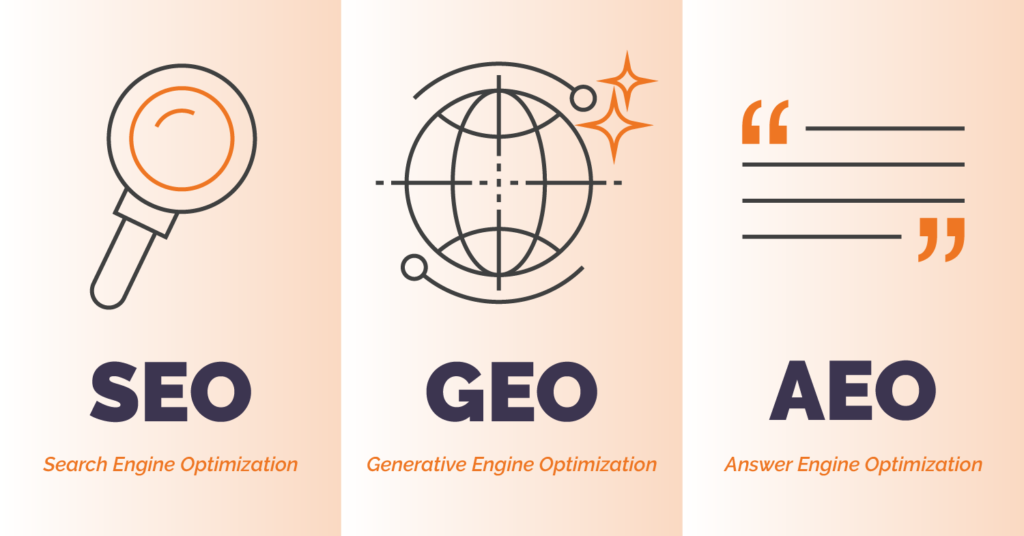
Traditional search engine optimization is no longer just about ranking #1 on a Google results page. With over half of software buyers initiating research directly within conversational AI tools, optimizing for Generative Engine Optimization (GEO) and Answer Engine Optimization (AEO) is a non-negotiable priority for 2026.
How to Win in AI Search
AI models do not rank sites based on keyword density; they synthesize consensus across trusted authorities. To ensure your product is recommended by an LLM when a user asks, “What is the best workflow automation tool for enterprise fintech?”, your digital footprint must reflect deep topical authority:
- Structured Data & Schema: Implement comprehensive product, organization, and software application schema so web crawlers parse your features accurately.
- Definitive Content Summaries: Place direct, concise summaries at the top of your articles so AI agents can easily extract definitions and feature comparisons.
- Ecosystem Footprint: LLMs crawl Reddit, GitHub, StackOverflow, and G2 to gauge real user sentiment. Cultivating positive, authentic discussions across these external touchpoints heavily influences whether an AI engine recommends your brand.
2. High-Intent Content Marketing & SEO
While AI handles early-stage definitions, search engines remain vital for buyers actively hunting for solutions. However, generic top-of-funnel content yields low ROI. The most successful b2b saas marketing trends 2026 highlight a strict pivot toward bottom-and-middle-funnel search intent.
High-Converting Content Pillars
- Use-Case & Industry Pages: Build tailored landing pages addressing specific workflows (e.g., Automated Compliance Reporting for Healthcare SaaS).
- Integration Ecosystem Hubs: Software buyers live in interconnected stacks. Dedicated pages showing how seamlessly your tool connects with Salesforce, HubSpot, or Slack capture high-intent technical traffic.
3. LinkedIn & Creator-Led B2B Marketing
B2B software is bought by people, not logos. Corporate broadcast accounts on social media consistently suffer from declining organic reach. Modern buyers follow subject matter experts, founders, and respected practitioners.
Best Practices for B2B Social and Creator Growth
- Founder and Executive Branding: Encourage leadership and product heads to share transparent lessons, industry hot takes, and real operational metrics.
- Thought Leader Ads: Amplify top-performing organic insights from employee personal profiles using sponsored post formats. This approach drastically outperforms traditional polished corporate ads because it reads as authentic advice.
- Niche B2B Influencer Partnerships: Partner with trusted industry creators, podcasters, and newsletter authors who command deep authority within your exact target buyer persona.
4. Review Sites and Peer Validation Communities
Before a modern buyer books a software demo, they check external validation. Peer review sites (G2, Capterra, TrustRadius) and technical communities (Reddit, specialized Slack groups) serve as the ultimate trust filter.
Expert Insight: Software buyers trust peer consensus over marketing promises. An active review acquisition strategy that consistently feeds positive sentiment into G2 can single-handedly lower your customer acquisition cost (CAC) by shortening evaluation cycles.
Comparing Core B2B SaaS Marketing Channels
| Channel | Primary Objective | Best For | Key Success Metric |
| AI Search (GEO/AEO) | LLM Citations & Recommendations | Getting on AI-generated shortlists | Share of model voice & brand mentions |
| Intent SEO | Capturing Active Searchers | High-intent solution seekers | Qualified demo requests & pipeline value |
| LinkedIn & Advocacy | Multiplying Committee Reach | Reaching multi-departmental buyers | Engaged target accounts & organic reach |
| Review Platforms | Overcoming Final Objections | Late-stage evaluation trust | G2 Grid position & review velocity |
| Signal-Based ABM | Enterprise Account Penetration | High-ACV ($50K+) accounts | Pipeline generation from Tier-1 accounts |
Common Mistakes to Avoid in 2026
- Optimizing Channels in Isolation: Treating SEO, paid media, and outbound as completely separate silos creates a disjointed buyer journey. Ensure all channels share unified pipeline goals.
- Chasing Vanity Metrics: Measuring success strictly by website traffic, impressions, or generic Marketing Qualified Leads (MQLs) rather than closed-won pipeline and Net Revenue Retention (NRR).
Flooencer - Ignoring Product-Led Growth (PLG) Loops: Neglecting in-product onboarding paths and trial friction points while overspending on broad-scale acquisition ads.
Related Articles
- 7 SaaS Security Best Practices: How AI Strengthens Cloud Application Protection
- How Artificial Intelligence Is Transforming Project Management: Key Benefits, Challenges & Future Trends
- Best Free AI Assistants for Research and Productivity
Conclusion
SaaS marketing success in 2026 requires moving away from noisy broadcast tactics and leaning into precision, authority, and buyer enablement. By orchestrating a holistic mix of AI search visibility, high-intent b2b saas marketing channels, and genuine peer trust, your organization can build a resilient pipeline that scales predictably. Start by auditing your current channel mix, align your content with how AI and humans evaluate software, and optimize for sustainable, revenue-driven growth.
Frequently Asked Questions (FAQs)
What are the most effective b2b saas marketing channels in 2026?
The highest-yielding channels include AI search visibility (GEO/AEO), high-intent SEO targeting alternative and use-case queries, LinkedIn executive branding, third-party review sites like G2, and signal-based account-based marketing (ABM).
How does AI search (GEO/AEO) impact traditional SaaS marketing?
Generative Engine Optimization (GEO) shifts focus from ranking for exact-match keywords to establishing broad contextual authority. Because buyers frequently ask AI chatbots to compare software options, brands must maintain a robust footprint across third-party review sites, forums, and structured knowledge hubs that LLMs reference.
What is the difference between SaaS lead generation and demand generation?
Demand generation focuses on building long-term brand equity, educating the market, and creating organic pull through thought leadership. Lead generation focuses on short-term capture tactics (like gated assets or direct demo forms). Modern high-growth SaaS companies balance both, utilizing demand gen to build familiarity and intent signals to capture buyers when they enter the market.
How can a boot-strapped SaaS startup choose the right marketing channels?
Early-stage startups with low Average Contract Values (ACVs) should focus on high-intent SEO, active participation in niche communities (like Reddit and developer boards), and review site presence. As ACVs scale past fifty thousand dollars, teams should transition toward dedicated ABM, outbound signals, and executive networking on LinkedIn.
Why are traditional MQLs losing popularity as a SaaS metric?
Many modern revenue teams find that Marketing Qualified Leads (MQLs) encourage volume-chasing over quality. Instead, top-performing SaaS organizations track pipeline velocity, multi-touch account engagement, and Net Revenue Retention (NRR) to measure real commercial health.