
Choosing the right SaaS pricing models is arguably one of the most critical decisions a software company will make. It directly influences customer acquisition, retention, lifetime value (LTV), and overall market positioning. Whether you are launching a new enterprise product or optimizing an existing SaaS business model, aligning your monetization strategy with customer value is the ultimate driver of scalable growth.
What Are the Main SaaS Pricing Models?
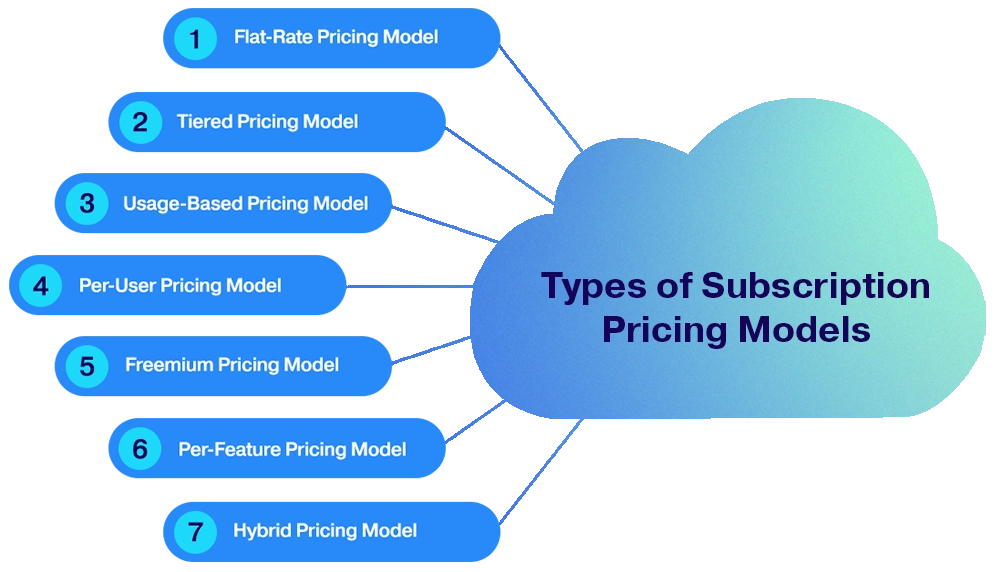
SaaS pricing models dictate how software companies charge for their products. The three primary frameworks are:
- Flat-Rate Pricing: A single, predictable monthly or annual fee for complete access to the product.
- Tiered Pricing: Multiple packages structured at varying price points based on feature sets, user seats, or usage caps.
- Usage-Based (Consumption) Pricing: A pay-as-you-go model where customers are billed dynamically based on exact resource consumption (e.g., API calls, emails sent, data storage).
Understanding the SaaS Pricing Landscape
A well-crafted SaaS pricing strategy goes far beyond picking a number out of a hat. It acts as a bridge between your product’s development costs and the perceived value realized by your users. As software markets mature, buyers demand transparent, flexible, and value-aligned SaaS subscription pricing structures.
According to recent technology industry benchmarks, companies that regularly review and optimize their pricing models experience up to 30% faster revenue growth compared to those that treat pricing as a set-it-and-forget-it task.
1. Flat-Rate SaaS Pricing Model
Flat-rate pricing is the most straightforward approach in the software-as-a-service ecosystem. It offers a single subscription fee—such as $29 per month—that grants users unlimited or standard access to the application.
When to Use Flat-Rate Pricing
- Early-stage startups testing product-market fit.
- Niche software products with a clearly defined, singular value proposition.
- Simpler productivity or single-purpose tools where segmenting users by features makes little sense.
Pros and Cons
- Pros: Exceptionally easy for customers to understand; straightforward marketing and sales messaging; predictable baseline forecasting.
- Cons: Leaves significant money on the table from heavy enterprise users; makes it difficult to upsell or expand accounts organically.
2. Tiered SaaS Pricing Model
The tiered pricing model is the gold standard for most modern tech companies. It allows businesses to package features, limits, and support levels into distinct levels (e.g., Basic, Pro, Enterprise).
Core Drivers of Tiers
- User Seats: Charging per user or team member (e.g., $10 per user/month).
- Feature Gating: Locking advanced capabilities—like SSO, custom reporting, or priority support—behind higher tiers.
- Volume Caps: Restricting aspects like projects, contacts, or storage limits.
Pros and Cons
- Pros: Caters to multiple buyer personas (from solopreneurs to large enterprises); creates a natural path for account expansion and upgrades.
- Cons: Over-complicating tiers can cause “choice paralysis” among prospective buyers, lowering conversion rates.
3. Usage-Based (Consumption) Pricing
Also known as pay-as-you-go pricing, the usage-based model ties the cost of the software directly to consumption volume. This model has exploded in popularity alongside cloud infrastructure, APIs, and AI automation tools.
Common Usage Metrics
- Number of API requests or transactions processed.
- Gigabytes of data stored or transferred.
- Number of active contacts or emails delivered.
Pros and Cons
- Pros: Highly attractive to small users who only pay for what they use; scales revenues automatically alongside customer growth.
- Cons: Unpredictable monthly revenue makes financial forecasting challenging for finance teams.
Comparison of Core SaaS Pricing Models
| Pricing Model | Best Suited For | Primary Advantage | Primary Disadvantage |
| Flat-Rate | Single-feature apps, early MVPs | Simplicity and ease of sale | Limits revenue potential from power users |
| Tiered | Growing SaaS products with diverse audiences | Natural expansion and upselling paths | Risk of choice paralysis if over-complicated |
| Usage-Based | Infrastructure, API-driven, and AI tools | Low barrier to entry; scales with customer success | Volatile and unpredictable revenue streams |
Hybrid SaaS Pricing Strategies
Many high-growth companies move beyond rigid definitions by adopting hybrid frameworks. For instance, a platform might combine a tiered subscription base fee (to secure predictable MRR) with a usage-based overage fee once a user crosses specific thresholds (such as extra data or additional AI token generation).
When evaluating these choices, organizations often look closely at how tools manage internal workflows, resource planning, and financial reporting. For related insights, exploring resources on What Is Software as a Service (SaaS) and How Does It Work? can help clarify broader architectural foundations. Similarly, understanding how teams handle infrastructure scalability is vital, as discussed in guides covering Cloud Collaboration Tools Explained: A Business Guide for 2026.
Best Practices and Common Mistakes to Avoid
To maximize profitability and customer satisfaction, keep these execution guidelines in mind:
- Do anchor prices to value: Price based on the economic value or time saved for the customer, not just your internal development costs.
- Do conduct regular pricing experiments: Market dynamics shift; review your price points annually.
- Avoid hiding your pricing: Transparent pricing builds immediate trust with modern B2B buyers.
- Avoid feature bloat in lower tiers: Keep your entry-level tier clean enough to convert casual prospects without cannibalizing your higher tiers.
For organizations scaling up operations, managing backend complexities requires tight alignment across departments. Reviewing strategic insights like Why AI Automation Projects Fail: Common Mistakes and Proven Solutions for Success can prevent costly missteps. Furthermore, maintaining resilient digital infrastructure is critical when deploying modern software stacks, as detailed in How to Improve Website Reliability with Redundant Servers.
Related Articles
To deepen your understanding of software architecture, operational efficiency, and digital growth, explore these related resources:
- What Is Software as a Service (SaaS) and How Does It Work?
- The Ultimate Blueprint to AI Automation and SaaS Technologies in 2026
- Cloud Collaboration Tools Explained: A Business Guide for 2026
Conclusion
Mastering SaaS pricing models is a continuous journey of aligning product value, market demand, and revenue operations. Whether you implement a simple flat-rate fee, a flexible tiered structure, or a dynamic usage-based mechanism, your pricing should empower customers to grow while capturing fair value for your business. By avoiding common traps, focusing on transparent value metrics, and iterating based on data, you can build a resilient SaaS business model poised for sustainable long-term success.
Frequently Asked Questions (FAQs)
What is the most popular SaaS pricing model today?
Tiered pricing remains the most widely adopted model because it appeals to a broad spectrum of customer segments while offering a clear pathway for account upgrades and revenue expansion.
How do I choose between flat-rate and tiered pricing?
Choose flat-rate pricing if your product serves a single, uniform use case with minimal variance in customer size. Choose tiered pricing if you serve diverse customer segments—such as freelancers versus large enterprises—who require different feature depths.
Why are more SaaS companies moving toward usage-based pricing?
Usage-based pricing aligns cost directly with value delivered. Customers love it because they do not pay for idle seats, and vendors benefit as customer usage and business growth scale naturally together.
How often should a SaaS company change its pricing strategy?
Most successful SaaS businesses evaluate their packaging and pricing adjustments every 12 to 18 months, often introducing new tiers or adjusting limits rather than disrupting existing customer contracts.
What is value-based pricing in SaaS?
Value-based pricing sets software costs based on the perceived or quantifiable value delivered to the buyer (e.g., revenue generated, hours saved, or costs reduced) rather than the cost of building the software.