
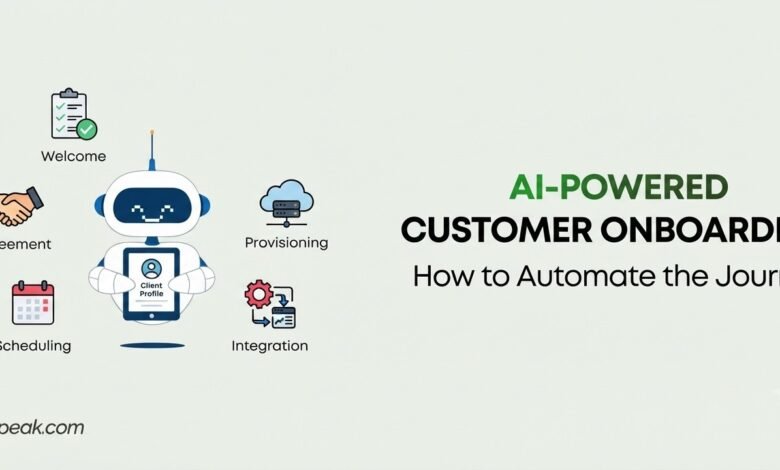
First impressions define the lifetime value of a customer. Yet, for many B2B SaaS companies, agencies, and digital enterprises, the traditional onboarding process remains manual, fragmented, and bottlenecked by repetitive administrative tasks.
AI client onboarding replaces friction with momentum. By integrating artificial intelligence into the critical first 30 days of the customer lifecycle, businesses can reduce manual workloads by up to 80%, shrink error rates, and drastically accelerate time-to-value.
This comprehensive guide explores how to build, optimize, and scale an automated client onboarding framework tailored for modern search engines, AI overviews, and autonomous agents.
What is AI Client Onboarding?
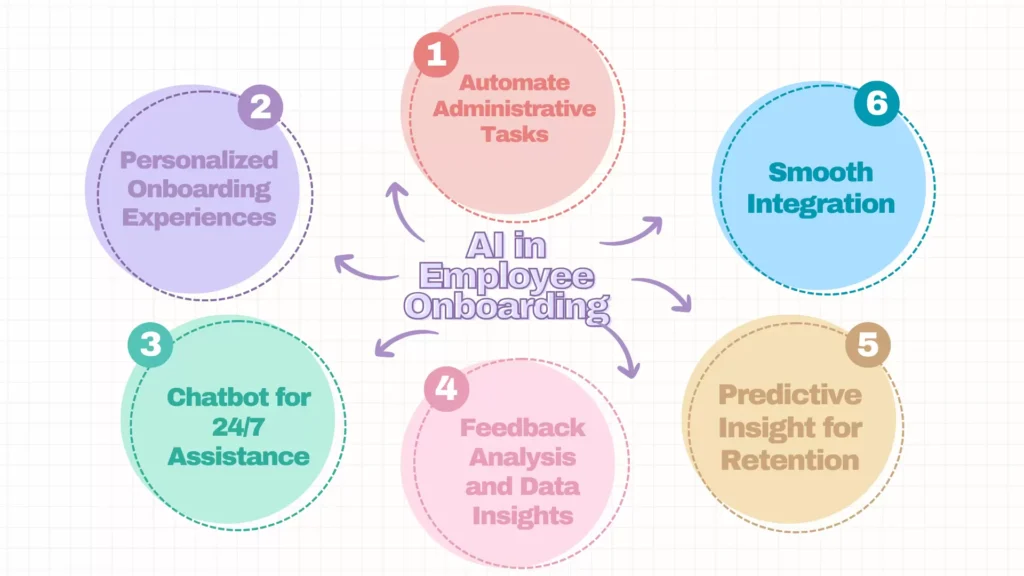
AI client onboarding is the practice of using artificial intelligence, machine learning, and automated workflows to transition new users from a signed contract or completed purchase to an active, engaged state without manual intervention.
- What it replaces: Manual welcome emails, static PDFs, manual data entry in CRMs, back-and-forth calendar scheduling, and delayed account provisioning.
- Core benefits: Instant provisioning, personalized milestone tracking, real-time document extraction, and proactive churn prevention.
- The 10-20-70 Rule: Modern implementations rely on 10% fully autonomous tasks (data entry), 20% AI-assisted checkpoints (risk scoring), and 70% human-led relationship building.
The Anatomy of Automated Client Onboarding
Building a robust pipeline requires looking beyond simple email autoresponders. Modern client onboarding automation blends intelligent document processing (IDP), conversational interfaces, and CRM orchestration.
1. Intake and Conversational Qualification
Traditional onboarding starts with static, unengaging web forms. Advanced AI onboarding utilizes conversational intake agents to interact with new users, capture specific business goals, and map their precise use cases.
- Smart Forms: Adapt questions dynamically based on the client’s industry and tier.
- Intent Capture: Extract qualitative data to inform downstream customer success teams.
2. Instant Provisioning and Workspace Creation
The moment a contract is signed, an AI-powered orchestration platform can trigger a cascading set of infrastructure actions:
- Generate secure access credentials and workspace environments.
- Automatically provision project folders, naming conventions, and task lists.
- Assign account managers and dispatch tailored welcome packets.
Step-by-Step Framework to Automate Client Onboarding
Transitioning to an automated framework doesn’t have to happen overnight. Follow this structured roadmap to roll out your system safely and efficiently.
[Contract Signed] ➔ [AI Intake & Data Extraction] ➔ [Automated Workspace Setup] ➔ [Personalized Nurture & Check-ins] ➔ [Human Escalation if Risk Detected]
- Map Your Current Workflow: Document every manual touchpoint, data silo, and handoff delay in your current process.
- Identify High-Impact Bottlenecks: Target repetitive tasks first, such as document collection, verification, or project board creation.
- Select Your Integration Stack: Connect your core billing, CRM, and communication tools using workflow orchestration software.
- Deploy AI Assistants for Support: Implement reasoning-first AI agents capable of answering setup queries accurately without hallucinations.
- Establish Success Metrics: Track activation velocity, time-to-value, error reduction, and initial drop-off rates.
Essential Comparison: Manual vs. AI-Powered Onboarding
| Feature | Traditional Manual Onboarding | AI-Powered Client Onboarding |
| Setup Speed | Hours to days (dependent on staff availability) | Seconds to minutes |
| Data Accuracy | High error rates due to manual data entry (15-20%) | Minimized errors through automated OCR/NLP (2-5%) |
| Personalization | Generic email templates and static welcome guides | Dynamic pathways based on real-time user behavior |
| Scalability | Linear scaling requires hiring more coordinators | Handles 400% greater volume without adding headcount |
| Risk Detection | Discovered reactively when a client ghosts or churns | Flagged proactively via predictive analytics and drop-off tracking |
Best Practices and Common Pitfalls to Avoid
Maximizing the efficiency of your automated client onboarding requires striking a careful balance between hyper-automation and human empathy.
Best Practices
- Design for Transparency: Maintain clear audit trails of all automated decisions and data handoffs.
- Implement PII Safeguards: Utilize real-time data redaction shields to protect sensitive financial or health information during compliance checks.
- Trigger Smart Escalations: Program your agents to hand conversations over to a human customer success manager immediately upon encountering high-friction intent or complex edge cases.
Common Mistakes to Avoid
- Over-Automating the Human Elements: Stripping away human interaction entirely during high-value enterprise rollouts can damage initial rapport.
- Neglecting Data Hygiene: Feeding messy, unstructured customer data into automated pipelines creates cascading errors downstream.
- Failing to Test Edge Cases: Rolling out workflows without stress-testing unusual client configurations or missing document uploads.
Read More Blog :
The Role of Machine Learning in Business Automation
Subscription Business Model Explained: How It Works, Types, and Benefits in 2026
Best Free AI Assistants for Research and Productivity
Conclusion
Implementing AI client onboarding is no longer a futuristic luxury; it is a fundamental operational necessity for scaling modern digital businesses. By automating repetitive administrative overhead, eliminating human error, and delivering hyper-personalized user journeys, organizations can unlock massive efficiency gains while driving long-term customer retention. Start small by automating a single high-volume workflow, measure your impact, and iteratively scale your automated ecosystem for maximum competitive advantage.
Frequently Asked Questions (FAQs)
What is AI client onboarding?
AI client onboarding is the automated process of converting a newly signed customer into an active user by leveraging artificial intelligence to handle data intake, document verification, workspace setup, and personalized communication.
How does client onboarding automation reduce churn?
By shrinking time-to-value, eliminating initial setup confusion, and tracking behavioral drop-offs in real time, automation ensures users achieve their initial “aha” moment quickly before frustration leads to cancellation.
Can AI handle secure document verification during onboarding?
Yes. Modern AI platforms use intelligent document processing (IDP) and compliance shields to verify identity, extract data securely, and maintain compliance standards like SOC 2, HIPAA, and GDPR.
What tools are needed for automated client onboarding?
A typical tech stack includes a CRM (like HubSpot or Salesforce), a workflow automation layer or no-code AI agent builder, and specialized conversational or document processing layers.
How do I measure the success of AI onboarding?
Key performance indicators include time-to-value velocity, onboarding completion percentage, reduction in administrative hours, and early-stage customer retention rates.