
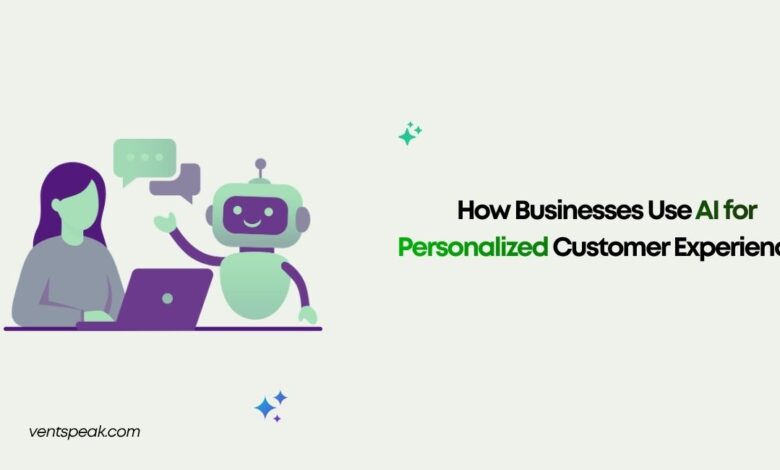
The digital marketing landscape is undergoing a monumental shift. As traditional search evolves into Generative Engine Optimization (GEO) and Answer Engine Optimization (AEO), businesses can no longer rely on static, one-size-fits-all marketing strategies. Today, customer experience (CX) is the ultimate battleground for brand loyalty and organic traffic growth.
Leading brands are leveraging Artificial Intelligence (AI) to analyze vast amounts of behavioral and historical data, allowing them to deliver highly individualized interactions at scale. According to industry benchmarks, 92% of brands use AI-powered personalization, and 82% of consumers state that personalized experiences directly drive their brand choice in at least half of their shopping situations.
This comprehensive guide explores how modern enterprises deploy AI personalization to maximize conversion optimization, supercharge lead generation, and dominate visibility across both traditional search engines (Google) and AI-powered answer engines (ChatGPT, Gemini, Claude, Perplexity).
What is AI Personalization in CX?
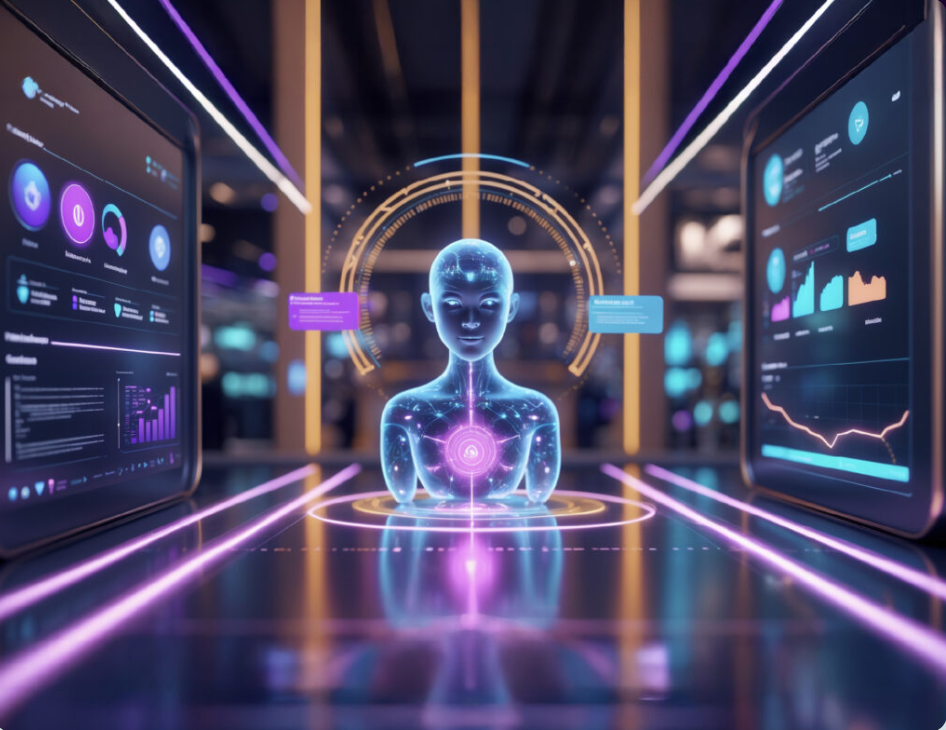
AI Personalization is the process of using machine learning algorithms, natural language processing (NLP), and predictive analytics to deliver tailored, 1:1 customer experiences at scale. By analyzing customer data—such as browsing history, purchase patterns, real-time context, and support tickets—AI automatically modifies content, product recommendations, and omni-channel messaging to match individual user intent without manual human intervention.
How We Evaluate AI Personalization Frameworks
To help digital marketers and enterprise leaders implement scalable strategies, we evaluate AI customer experience tools and frameworks using six core pillars:
- User Intent Alignment: How accurately the AI interprets and resolves transactional, informational, or navigational queries.
- Search and AI Visibility: The platform’s capability to format structured data that traditional search engines and AI Overviews can easily scrape and surface.
- Conversion Impact: The direct influence on Key Performance Indicators (KPIs) like average order value (AOV), click-through rates (CTR), and cart abandonment reduction.
- Scalability & Real-Time Performance: The system’s capacity to process multi-channel data points instantly across millions of concurrent users.
- Implementation Difficulty: The technical overhead, API integration complexity, and alignment with existing MarTech stacks (e.g., HubSpot, Salesforce, Google Analytics 4).
- EEAT & Data Security: Compliance with privacy frameworks (GDPR, CCPA) to build Experience, Expertise, Authoritativeness, and Trustworthiness.
Read More Blogs:AI in Social Media Marketing: Automation, Content & Engagement
Read More Blogs:AI-Powered Email Marketing Strategies for Higher Conversions
4 Core Pillars of Modern AI Customer Experience (CX)
1. AI-Driven Product Recommendations
AI analyzes multi-dimensional user datasets—including past search queries, real-time clicks, and historical purchases—to suggest products matching individual tastes. E-commerce platforms utilize predictive models to display contextual setups like “Complete the Look” or serve hyper-targeted media streams.
- Actionable Takeaway: Implement recommendation engines that update dynamically based on in-session behavior rather than static past purchases alone to capture immediate user intent.
2. Proactive Customer Service and Agent Copilots
Modern customer service has shifted from reactive troubleshooting to proactive engagement.
- Predictive Notifications: Financial institutions and utility companies deploy AI to analyze recurring billing cycles and transaction patterns, warning users of potential upcoming expenses or usage anomalies before they occur.
- Agent Copilots: When a customer connects with a live support team, conversational intelligence tools instantly surface unified customer profiles and the exact knowledge-base documentation needed to resolve the ticket efficiently.
3. Micro-Targeted Marketing and Dynamic Content
AI audience segmentation eliminates generic, mass-email blasts. Utilizing GenAI tools like Smart Response, emails, push notifications, and landing pages automatically adapt their text, imagery, and promotional offers in real-time based on the user’s latest brand touchpoint.
- Actionable Takeaway: Use A/B testing automation driven by machine learning to let the algorithm swap content variations for different micro-segments instantly.
4. Omnichannel Context Integration
AI bridges the gap between disconnected communication channels—unifying social media interactions, website visits, mobile app usage, in-store data, and customer service tickets into a single source of truth. This ensures a friction-free transition as the consumer moves between digital and physical touchpoints.
Read More Blogs:The Comprehensive Guide 2026: Ai in Digital Marketing
Deep-Dive Architecture: How Brands Deploy AI Personalization
To achieve high visibility in Google AI Overviews and answer engine queries, data must be structured cleanly. The table below outlines how specific AI personalization capabilities translate directly into tangible business value and customer experience optimization:
| AI Personalization Capability | Core Technical Mechanism | Primary Business Value / KPI Impact | Real-World Tool Examples |
| Conversational Intelligence | NLP, Speech & Text Analytics | Boosts NPS, uncovers customer pain points, optimizes support routing | Medallia, Salesforce Einstein |
| Predictive Analytics | Machine learning models, historical data scoring | Lowers churn risk, forecasts customer lifetime value (LTV) | HubSpot AI, Google Analytics 4 |
| Experience Orchestration | Real-time behavior tracking & intent mapping | Maximizes conversion rates, eliminates funnel drop-off points | Medallia Experience Orchestration, Adobe Target |
| Smart Response (GenAI) | Generative AI, Retrieval-Augmented Generation (RAG) | Minimizes cost-to-serve, automates hyper-personalized replies | Gemini, ChatGPT Enterprise, Claude |
Real-World Case Study: 106% Conversion Rate Increase
Understanding how global enterprises implement these systems provides essential blueprints for digital marketing strategies.
BSH Home Appliances Group
BSH Group, a global titan in the home appliance industry, integrated advanced AI-powered personalization and experience orchestration to track and analyze consumer interactions across 40 distinct multichannel touchpoints (including web, email, in-store, and CRM systems).
The Implementation Strategy
- Friction Detection: The AI mapped the precise drop-off points where consumers abandoned their shopping carts or product research journeys, instantly identifying the technical or navigational root causes.
- Engagement Scoring: The platform calculated a real-time customer engagement score for every individual visitor.
- Dynamic Guidance: Based on these real-time scores, the system automatically served customized incentives and targeted content paths to guide hesitant users toward completion.
The Business Results
By removing journey friction and orchestrating real-time experiences, BSH achieved:
- A 106% increase in overall e-commerce conversion rates.
- A 22% increase in add-to-cart conversion actions.
Read More Blogs: Best AI Tools for Digital Marketing in 2026
Common Myths and Misconceptions
- Myth 1: AI Personalization requires sacrificing user privacy.
- Reality: With the depreciation of third-party cookies, elite personalization relies on zero-party data (explicitly shared by users) and first-party data handled securely via clean rooms, remaining fully compliant with modern data governance laws.
- Myth 2: It is only accessible for enterprise-level budgets.
- Reality: Democratized AI marketing tools and API access points mean mid-market brands can easily scale personalization setups using tools like HubSpot AI, Bing Webmaster Tools, and Google Search Console data integration.
- Myth 3: Set-and-forget algorithms run perfectly on their own.
- Reality: AI models require ongoing supervision, semantic SEO tuning, and regular data auditing to prevent algorithmic bias or experience drift.
Read More Blogs:How AI is Changing Google Search, GEO & AI Overviews
SEO, GEO, and AEO Optimization Checklist for Marketers
To ensure your brand’s personalized content is indexed, understood, and surfaced by generative search engines and AI Overviews, complete this optimization framework:
- Implement Robust Schema Markup: Use Organization, Product, and FAQ schema tags to explicitly define your brand’s digital entities for search bots.
- Design for Semantic Search: Optimize for natural language processing (NLP) by answering long-tail queries directly beneath primary H2 and H3 headings.
- Monitor Core Technical Health: Use toolsets like Screaming Frog and Ahrefs to fix crawl errors, ensuring AI scrapers can seamlessly access your customer knowledge bases.
- Analyze Search Intent in GA4: Track user entry points using Google Analytics 4 and Looker Studio to map what informational content drives high-value conversions.
- Maintain Strict Topical Authority: Structure your marketing blog around defined pillars, linking related deep-dives internally to establish your brand as an expert in your niche.
Conclusion and Future Outlook
The integration of Artificial Intelligence into customer experience management is no longer an optional upgrade—it is a vital operational necessity for modern digital marketing success. As search platforms shift completely from traditional keyword matching to intent-driven AI Overviews, businesses must build content systems that cater simultaneously to human consumers and AI retrieval mechanisms.
Key Takeaways for Business Leaders:
- Unify Your Channels: Connect fragmented data silos to give your personalization AI a complete, 360-degree view of the customer journey.
- Prioritize Proactive Care: Move past basic reactive support frameworks; use predictive analytics to solve customer hurdles before they impact satisfaction.
- Optimize for Generative Search: Build authority by executing semantic SEO, implementing meticulous schema structures, and regularly tracking your visibility metrics inside Google Search Console and Bing Webmaster Tools.
By adopting scalable AI personalization strategies today, brands can secure a distinct competitive advantage, ensuring they remain highly discoverable, deeply trusted, and profoundly relevant in an AI-first economy.
Frequently Asked Questions
How does AI personalization improve conversion optimization?
AI increases conversion rates by removing cognitive friction. By presenting the precise product, content snippet, or support answer an individual requires based on real-time intent, users move through the marketing funnel faster, resulting in higher click-through rates and minimal cart abandonment.
What is the role of conversational intelligence in digital marketing?
Conversational intelligence uses NLP to read, listen to, and interpret raw customer data across calls, text chats, and reviews. This reveals unprompted customer sentiments, enabling marketing teams to adjust their organic traffic growth and content strategies to answer real-world user frustrations.
How do generative search engines impact AI customer experiences?
Generative engines change user behavior from clicking blue links to seeking definitive, conversational answers. Brands that structure their sites for AEO and GEO ensure their personalized services are cited directly within AI responses on platforms like Gemini, ChatGPT, and Perplexity.