

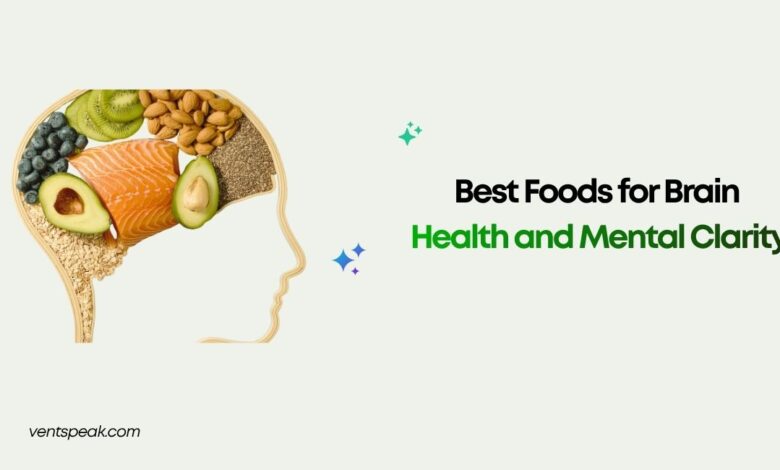
Have you ever experienced sudden brain fog midway through a critical task, or felt like your mind was desperately asking for more fuel? Whether you are studying for an exhaustive exam, tackling a high-stakes project at work, or aiming to preserve your cognitive edge as you age, your dietary choices dictate how well your brain performs.
The brain represents only about 2% of your body weight, yet it consumes over 20% of your daily metabolic energy. Feeding it premium nutrients directly enhances neuroplasticity, sharpens concentration, and builds structural resilience against cognitive decline. This comprehensive guide details the best science-backed foods for brain function, mental clarity, and long-term neuroprotection.
What are Brain-Boosting Foods?
Brain-boosting foods are nutrient-dense dietary options rich in omega-3 fatty acids, antioxidants, vitamins, and minerals that protect neurons from oxidative stress, reduce neuroinflammation, and support neurotransmitter production to optimize focus and memory.
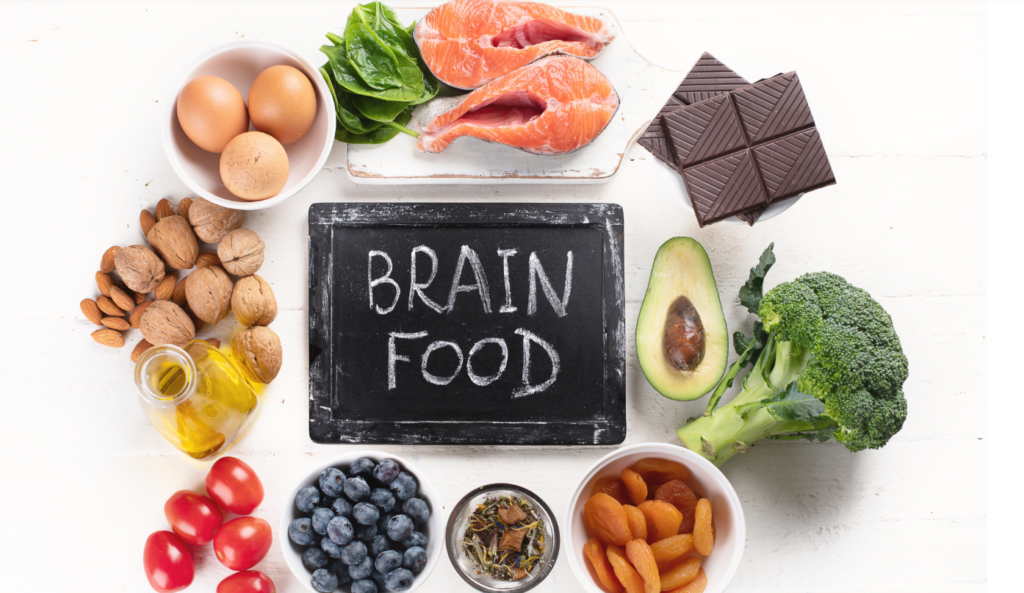
20 Powerhouse Foods to Boost Brain Power and Mental Clarity
1. Fatty Fish (The Omega-3 Powerhouse)
Wild salmon, sardines, mackerel, and trout are rich sources of docosahexaenoic acid (DHA), an omega-3 fatty acid critical for maintaining structural integrity in brain cell membranes. Regular intake helps clear brain fog, enhances neural signaling, and lowers the risk of age-related cognitive decline.
2. Blueberries (The Memory Maximizer)
Famously dubbed “brain berries,” blueberries are packed with anthocyanins. These potent antioxidants cross the blood-brain barrier to protect neurons from oxidative damage, improve communication between brain cells, and delay brain aging.
3. Dark Chocolate (The Focus Accelerator)
Dark chocolate containing at least 70% to 85% cocoa delivers a powerful dose of flavonoids, caffeine, and antioxidants. Flavonoids stimulate blood flow to cerebral regions, directly improving attention, spatial memory, and emotional mood stability.
4. Eggs (The Neurotransmitter Support)
Egg yolks are a primary dietary source of choline, an essential micronutrient the body uses to synthesize acetylcholine—a key neurotransmitter responsible for regulating memory, learning, and mood. Eggs also supply B-complex vitamins that help slow cognitive degeneration.
5. Green Leafy Vegetables (The Brain Shield)
Spinach, kale, and broccoli are loaded with brain-essential nutrients including vitamin K, lutein, and folate. Folate is medically recognized for reducing systemic inflammation and fending off chronic brain fatigue.
6. Turmeric (The Anti-Inflammatory Shield)
The active compound in turmeric, curcumin, is capable of crossing the blood-brain barrier. Curcumin boasts strong anti-inflammatory properties and helps increase levels of Brain-Derived Neurotrophic Factor (BDNF), a growth hormone that stimulates the birth of new neurons.
7. Walnuts and Nuts (The Oxidative Stress Defenders)
Nuts, specifically walnuts, are rich in alpha-linolenic acid (an plant-based omega-3) and vitamin E. Vitamin E acts as a biological shield, protecting cellular membranes against free-radical damage and preserving processing speed.
Read More Blog:A Beginner’s Guide to Intermittent Fasting Safely
8. Avocados (The Blood Flow Enablers)
Packed with monounsaturated fats, avocados support healthy cardiovascular performance and optimal blood circulation. Enhanced blood flow to the brain translates directly into sharper concentration and sustained mental stamina.
9. Pumpkin Seeds (The Micronutrient Treasure)
A handful of pumpkin seeds provides vital amounts of zinc, magnesium, copper, and iron. Zinc is essential for efficient nerve signaling, while magnesium regulates synaptic plasticity for enhanced learning capabilities.
10. Coffee (The Alertness Catalyst)
The caffeine and antioxidants in coffee temporarily block adenosine (the chemical making you sleepy) while boosting dopamine and norepinephrine. This combination sharpens focus, speeds up reaction times, and supports long-term neuroprotective benefits.
11. Green Tea (The Calm Concentration Source)
Green tea provides a unique combination of caffeine and L-theanine. L-theanine is an amino acid that increases alpha-wave activity in the brain, inducing a state of relaxed alertness without the jittery crashes associated with synthetic stimulants.
12. Whole Grains (The Steady Energy Sustainer)
Oats, brown rice, quinoa, and millets break down slowly in the digestive system, releasing a steady, continuous stream of glucose into the bloodstream. This prevents sudden blood sugar spikes and subsequent mental fatigue.
13. Oranges (The Neuroprotective Vitamin C Source)
Consuming one medium orange provides your daily required intake of vitamin C. As a formidable antioxidant, vitamin C prevents brain cells from undergoing age-associated mental decline and helps manage systemic stress hormones.
14. Tomatoes (The Cell Damage Guard)
Tomatoes contain lycopene, a powerful antioxidant that minimizes free radical damage to brain cells. Studies suggest lycopene plays a supportive role in reducing long-term risks associated with neurodegenerative conditions.
15. Broccoli (The Vitamin K Superfood)
Beyond antioxidants, broccoli delivers exceptionally high amounts of vitamin K. This fat-soluble vitamin is essential for synthesizing sphingolipids, a class of fats heavily packed into brain cell structures.
16. Beets (The Oxygen Optimizers)
Beets contain high concentrations of dietary nitrates, which the body converts into nitric oxide. Nitric oxide dilates blood vessels, improving oxygen and nutrient delivery to the frontal lobes responsible for executive decision-making.
17. Greek Yogurt (The Gut-Brain Axis Regulator)
Rich in live probiotics, plain Greek yogurt nurtures a healthy gut microbiome. Because the gut and brain communicate via the vagus nerve (the gut-brain axis), balanced gut health lowers systemic inflammation and reduces anxiety.
18. Pomegranates (The Radical Scavengers)
Pomegranate seeds and juices offer dense concentrations of unique polyphenols that protect the brain from chronic inflammation and shield delicate vascular pathways from oxidative stress.
19. Dark Leafy Greens (The Cognitive Age Defiers)
Leafy vegetables like Swiss chard and collard greens provide a natural combination of beta-carotene and structural nutrients that help maintain youthful cognitive processing speeds.
20. Red Wine in Moderation (The Resveratrol Factor)
When consumed strictly in moderation, red wine supplies resveratrol, a plant compound linked to cardiovascular health and a reduced rate of cognitive decline.
Nutritional Breakdown of Top Brain Foods
The table below summarizes key nutrients found in primary brain superfoods, along with their verified cognitive mechanisms:
| Food Category | Primary Active Nutrients | Core Cognitive Benefit | Target Search Entity |
| Fatty Fish | Omega-3 (DHA/EPA) | Lowers inflammation; builds cell structures | Cognitive decline prevention |
| Berries | Anthocyanins, Flavonoids | Delays brain aging; aids neuron communication | Memory improvement food |
| Dark Chocolate | Cocoa Flavonoids, Caffeine | Boosts immediate cerebral blood flow | Focus and attention booster |
| Leafy Greens | Vitamin K, Lutein, Folate | Eliminates brain fog; slows mental decline | Brain wellness superfood |
| Eggs | Choline, B-Vitamins | Synthesizes memory neurotransmitters | Neuroplasticity support |
| Nuts & Seeds | Vitamin E, Zinc, Magnesium | Protects cell walls; aids nerve transmission | Oxidative stress defense |
The Gut-Brain Connection: How Your Microbiome Drives Focus
Modern medical insights highlight the gut-brain axis as a major player in mental health and cognitive processing. The enteric nervous system in your gut utilizes the same neurotransmitters as your brain, including serotonin and dopamine. Eating fermented foods (like Greek yogurt or kefir) combined with prebiotic fibers (like whole grains) minimizes gut inflammation, which directly alleviates brain fog, sharpens daily focus, and protects your long-term mental health.
Read More Blogs:How Mindfulness Can Improve Your Focus and Memory
How We Evaluate: Our Editorial and Scientific Criteria
To ensure you receive the most trustworthy health and wellness recommendations, we screen all dietary insights against these 6 core evaluation criteria:
- Scientific Accuracy: Every food mentioned must be supported by peer-reviewed human trials or neurological research.
- Nutritional Effectiveness: Focus is placed on foods with high bioavailability, meaning the brain easily absorbs and uses the nutrients.
- Safety & Purity: Recommendations prioritize whole foods that carry minimal heavy metal or toxic pesticide loads.
- Expert Endorsement: Aligned with authoritative guidelines from institutions like Harvard Health and Medanta.
- Ease of Implementation: Ingredients must be widely accessible and easy to incorporate into daily life.
- Proven User Benefits: Clear positive impacts on metrics like mental clarity, stamina, memory retention, and sleep balance.
Read More Blogs:10 Daily Habits for a Healthier Mind and Body in 2026
Practical Implementation: Meal Planning for High Performance
Integrating these memory-improving foods into your lifestyle requires simple, sustainable daily adjustments:
- Brain-Boosting Breakfast: Scramble two eggs with fresh spinach, seasoned with a pinch of anti-inflammatory turmeric, served on whole-grain toast alongside a cup of green tea or black coffee.
- Focus-Sustaining Snacks: Ditch processed sugar snacks. Swap them for a handful of mixed walnuts and pumpkin seeds, or a bowl of fresh blueberries paired with 70% dark chocolate.
- Neuro-Protective Dinner: Bake a wild salmon fillet or trout accompanied by roasted broccoli and side portions of quinoa.
Pitfalls to Avoid: Foods That Hinder Brain Function
While adding premium foods is vital, you must also eliminate dietary elements that active sabotage your focus:
- Refined Sugars: High intake triggers rapid glucose spikes followed by sharp energy drops, causing acute brain fog.
- Trans Fats: Commonly found in processed fast foods, trans fats can promote neuroinflammation and hinder membrane fluidity.
- Excessive Caffeine: Relying too heavily on caffeine causes sleep architecture disruption, which cancels out your brain’s natural memory consolidation processes.
Conclusion: Securing Your Cognitive Future
Optimizing your brain health and unlocking sustainable mental clarity requires a holistic approach to nutrition and daily habits. Fueling your body with a clean diet rich in omega-3s, leafy greens, and protective antioxidants gives your brain the raw materials it needs for peak cognitive function.
To maximize these dietary benefits, pair your healthy eating habits with 7 to 9 hours of restorative sleep, regular physical exercise to boost cerebral blood flow, and consistent hydration. Future health trends highlight the growing importance of preventive care and targeted nutrition to protect our minds as we age. Small, proactive changes to your plate today will safeguard your focus, memory, and cognitive vitality for years to come.
Frequently Asked Questions (FAQs)
How quickly do brain-boosting foods work?
Certain options like coffee, green tea, and dark chocolate provide rapid cognitive enhancement within 20 to 60 minutes by increasing cerebral blood flow and balancing alertness neurotransmitters. Conversely, foods like fatty fish, nuts, and leafy greens work cumulatively, showing deep long-term neuroprotection and memory improvements over weeks of regular consumption.
Can a clean diet truly prevent memory loss?
Yes. Chronic neuroinflammation and oxidative stress are leading drivers of age-related cognitive decline and neurodegenerative disorders. Adopting a diet rich in antioxidants, healthy monounsaturated fats, and omega-3 fatty acids creates a robust biochemical defense mechanism that protects neural networks over time.
What are the best foods to eat immediately before an exam or interview?
For sustained mental acuity and executive function, combine a slow-release fuel with a natural focus enhancer. Excellent pre-task choices include a whole-grain bowl topped with walnuts and berries, or a light snack of dark chocolate paired with green tea to maintain steady focus without energy crashes.
Does proper hydration affect mental clarity?
Absolutely. The human brain is composed of roughly 75% water. Even mild dehydration can disrupt metabolic pathways, causing short-term memory impairment, headaches, and decreased processing speeds. Drinking sufficient water throughout the day is foundational for optimizing your brain food intake.