
You open your closet, and it’s packed—yet you feel like you have absolutely nothing to wear. If this sounds familiar, you are not alone. The modern fashion landscape floods us with micro-trends, leading to impulse purchases, cluttered closets, and massive decision fatigue.
The antidote? A capsule wardrobe.
Originally introduced in the 1970s by London boutique owner Susie Faux and later popularized by designer Donna Karan with her iconic 1985 “Seven Easy Pieces” collection, the capsule wardrobe is a curated collection of interchangeable, high-quality garments. By focusing on a reliable 80/20 rule—where 80% of your wardrobe consists of all-season core essentials and 20% shifts to accommodate seasonal weather—you can maximize outfit combinations with a minimal number of items.
This comprehensive, expert-vetted guide will show you exactly how to build a high-performance, stylish, and sustainable capsule wardrobe that works seamlessly all year round.
What is a Capsule Wardrobe?
A capsule wardrobe is a intentionally curated collection of clothing comprised of versatile, timeless, and easily interchangeable items. The core philosophy is to achieve the maximum number of outfit combinations from the minimum number of garments.
Whether you are trying to streamline your daily routine, adopt a minimalist aesthetic, or optimize your travel packing efficiency, a capsule wardrobe eliminates clutter and ensures you look effortlessly polished every single day.
How many clothes are in a capsule wardrobe?
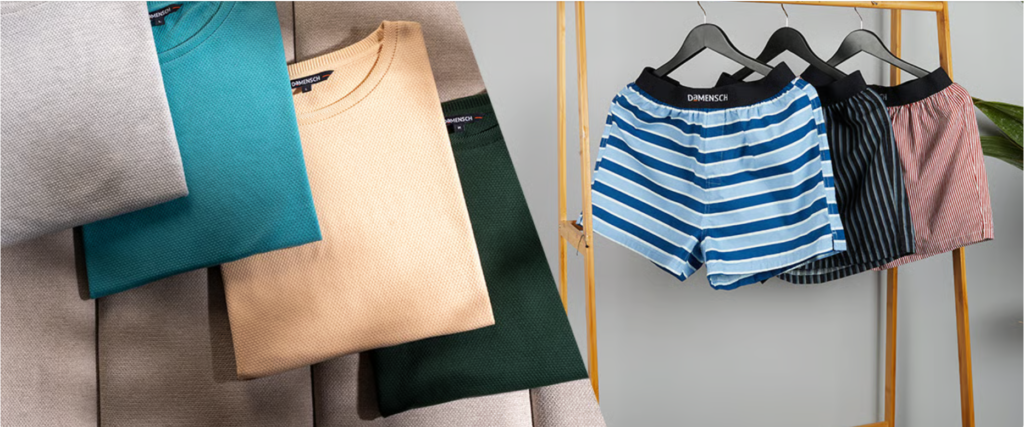
While there is no strict mathematical rule, a standard seasonal capsule wardrobe typically ranges from 30 to 50 pieces, including clothing, outerwear, and footwear. The focus is always on functional versatility rather than a restrictive, arbitrary number.
The Foundation: All-Season Core Essentials
These are the non-negotiable anchor pieces of your wardrobe. They cross seasonal boundaries, serving as the base layer in the winter and the star of the show in the summer. Invest in superior tailoring and high-quality textiles for these items.
1. Tops & Shirts
- 2–3 Premium T-Shirts: Opt for heavy-weight organic cotton in solid white, black, and heather grey.
- 1–2 Button-Down Shirts: A crisp white poplin shirt and a classic blue Oxford cloth button-down (OCBD) transition seamlessly from casual to corporate.
2. Bottoms & Denim
- 1 Pair of Straight-Leg Jeans: A clean, dark-indigo or mid-wash denim with zero distressing. Straight-leg cuts offer a universally flattering, timeless silhouette.
- 1 Pair of Tailored Trousers: Slim or relaxed-tapered trousers in black, navy, or charcoal grey.
- 1 Trans-seasonal Mid-Length Piece: A structured midi skirt for women or refined tailored chinos for men.
3. Layering & Outerwear
- 1 Structured Blazer: A sharp blazer in navy, black, or houndstooth instandly elevates simple t-shirt and jeans combinations.
- 1 Lightweight Trench Coat: The ultimate weather-resistant, transitional outerwear piece.
4. Footwear
- 1 Pair of Minimalist White Sneakers: Clean, low-top leather sneakers devoid of loud branding.
- 1 Pair of Neutral Loafers or Derbies: Classic leather or suede loafers that bridge the gap between casual and formal.
Seasonal Rotations: Shifting the 20%
To make your capsule wardrobe work year-round, you do not need an entirely new closet every three months. Instead, maintain your all-season foundation and swap out a small percentage of weather-specific garments.
Spring & Summer: The Warm-Weather Rotation
When temperatures rise, prioritize breathability, lightweight construction, and relaxed silhouettes.
- Fabrics to look for: Linen, lightweight cotton, silk, and Tencel.
- Key Additions: Sleeveless linen tops, tailored shorts, breathable wide-leg trousers, a flowy sundress, or lightweight knitted polos.
- Footwear Swap: Trade your loafers for high-quality leather sandals or woven espadrilles.
Fall & Winter: The Cold-Weather Layers
The secret to winter styling is building insulation without sacrificing a sleek, polished silhouette.
- Fabrics to look for: Cashmere, Merino wool, heavy denim, shearling, and tweed.
- Key Additions: Fine-knit cashmere turtlenecks, heavy wool-blend trousers, chunky cable-knit sweaters, and insulated base layers.
- Outerwear Upgrade: A structural, double-breasted wool overcoat.
- Footwear Swap: Transition to sturdy leather ankle boots, Chelsea boots, or knee-high boots with lug soles.
Read More Blogs : The Ultimate Luxury Beach Vacation Packing Checklist
Golden Rules for Capsule Wardrobe Success
1. Establish a Strict Color Palette
To guarantee that every top matches every bottom, establish a cohesive color scheme.
- Base Neutrals (Choose 2-3): Black, Navy, Charcoal, Cream, Chocolate Brown, or Tan.
- Accent Colors (Choose 1-2): Earthy tones (olive green, terracotta) or cool tones (burgundy, emerald, royal blue) that complement your skin undertone.
2. Prioritize Fabric Quality Over Quantity
Fast fashion relies on synthetic fibers (polyester, acrylic) that trap odor, pill quickly, and look cheap. Look for natural, durable fabrics that drape beautifully and withstand the test of time:
- Summer: Flax linen, long-staple cotton, mulberry silk.
- Winter: Grade-A cashmere, pure Merino wool, alpaca, and heavy-weight wool twills.
3. Master Visual Proportions and the “Rule of Thirds”
An outfit looks most visually appealing when divided into thirds rather than halves.
- The Technique: Tuck a white button-down shirt into high-waisted, tailored trousers. This creates a $1/3$ upper body to $2/3$ lower body ratio, elongating the legs and creating an instantly chic silhouette. Avoid pairing baggy tops with baggy bottoms; balance a relaxed trouser with a more fitted top, or vice versa.
Read More Blogs :The top 10-Step Korean Skincare Routine
Comprehensive Capsule Wardrobe Comparison
| Feature / Category | Spring / Summer Rotation | Fall / Winter Rotation |
| Primary Fabrics | Linen, Poplin Cotton, Silk, Lyocell | Cashmere, Merino Wool, Tweed, Heavy Denim |
| Key Outerwear | Lightweight Trench, Denim Jacket, Unlined Blazer | Wool Overcoat, Puffer Jacket, Shearling Coat |
| Color Temperature | Light Neutrals, Creams, Soft Accents | Rich Earth Tones, Deep Jewel Accents, Dark Neutrals |
| Footwear Staples | Leather Sandals, White Sneakers, Espadrilles | Chelsea Boots, Knee-High Boots, Leather Loafers |
| Silhouettes | Fluid, Wide-Leg, Breezy, Relaxed | Structured, Layered, Tailored, Cozy |
Step-by-Step: How to Streamline Your Closet
SStep 1: The Wardrobe Audit
Empty your entire closet onto your bed. Assess every single garment based on four critical questions:
- Does this item fit my body perfectly right now?
- Have I worn this item in the past 6 months?
- Can I easily style this item in at least 3 different ways?
- Is it low-maintenance and comfortable for my daily lifestyle?
Step 2: Categorize and Purge
Divide your items into four distinct piles:
- Keep: Core essentials and seasonal items that fit beautifully.
- Store: Off-season garments (e.g., storing heavy puffers in summer) to clear mental and physical space.
- Donate/Sell: High-quality items that no longer suit your style aesthetic or body shape.
- Recycle: Damaged, stained, or permanently worn-out clothes.
Read More: 5 Elegant Ways to Make Your Living Room Look Expensive
Step 3: Identify the Gaps & Shop Intentionally
Do not rush out to buy new clothes immediately. Live with your edited wardrobe for two weeks. Notice where your outfits hit a roadblock.
- Example: Do you have great trousers but lack the sharp footwear to finish the look? Write it down. Shop with a targeted checklist to avoid falling back into the fast-fashion impulse trap.
Step 4: Photograph Your Daily Outfits
Spend an hour mixing and matching your curated pieces. Create 10–15 go-to outfit combinations. Take photos of these looks on your phone and save them in a dedicated “Style” album. The next time you are in a rush, you have an instant, personalized lookbook at your fingertips.
Read More: Top 7 Summer Fashion Trends 2026: The Ultimate Guide
5 Common Styling Mistakes to Avoid
- Buying into Micro-Trends: Avoid viral aesthetic trends (e.g., “fast-cycling TikTok aesthetics”) that will look dated in six months. Stick to classic silhouettes.
- Neglecting Tailoring: Even an expensive designer jacket will look cheap if the sleeves are too long. Find a local tailor to adjust hems, waistlines, and sleeve lengths for a custom, luxury look.
- Obsessing Over an Exact Number: The internet loves challenges like “Project 333” (wearing only 33 items for 3 months). However, don’t sacrifice practicality for a strict number. Build a wardrobe that actually matches your real-life laundry routine and occupation.
- Choosing Visual Style Over Comfort: If a wool sweater is itchy, or a pair of trousers pinches when you sit down, you will never wear them. Comfort is non-negotiable for longevity.
- Ignoring Fabric Care: Read the care labels. Invest in a fabric shaver to remove pilling from wool sweaters, use wooden hangers to maintain shoulder structures, and air-dry garments whenever possible to prolong fiber integrity.
Frequently Asked Questions (FAQs)
What is Project 333?
Project 333 is a popular minimalist fashion challenge popularized by Courtney Carver. The rule is simple: dress using only 33 items (including clothing, accessories, jewelry, and shoes) for a period of three months. It excludes sleepwear, loungewear, undergarments, and workout gear.
How do I stop my capsule wardrobe from looking boring?
Texture and structural silhouettes are key. Instead of a flat black cotton tee, opt for a ribbed modal fabric or a knit polo. Use subtle textures like suede, silk, or cable-knits, and use high-quality accessories—like a classic leather belt, a statement watch, or structured sunglasses—to inject personal character into neutral bases.
How many colors should be in a capsule wardrobe?
We recommend sticking to a palette of 6 to 9 colors in total. This should comprise 3 core light neutrals (white, cream, grey), 2–3 dark base neutrals (black, navy, espresso), and 1–2 intentional accent colors that flatter your natural complexion.
Is a capsule wardrobe actually sustainable?
Yes, it is one of the most effective ways to practice sustainable fashion. By shifting your mindset toward purchasing fewer, high-quality, long-lasting garments, you significantly lower your personal carbon footprint, reduce textile waste in landfills, and curb the demand for exploitative fast-fashion manufacturing cycles.