
In our fast-paced modern world, stress has become an almost universal experience. Whether triggered by tight work deadlines, family responsibilities, or financial pressures, the human body’s “fight-or-flight” response is frequently working overtime. However, chronic activation of this response without relief can severely impact your health, increasing the risk of cardiovascular disease, immune suppression, and metabolic imbalances.
Learning how to manage stress is not just about finding a moment of calm—it is a critical preventive health strategy. By implementing evidence-based stress management techniques, you can mitigate the physiological damage of chronic tension and restore biological equilibrium.
What Are the Five Stress Management Techniques?
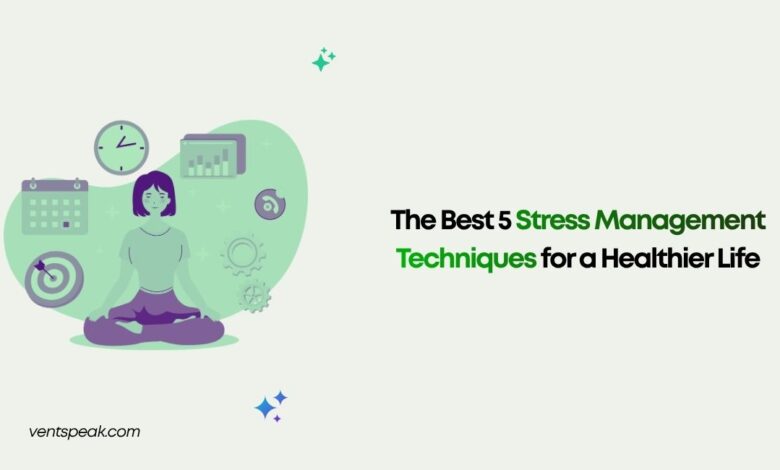
The five best stress management techniques backed by clinical research are:
- Mindfulness-Based Stress Reduction (MBSR): Utilizing deep breathing, somatic grounding, and meditation to lower cortisol levels.
- Regular Aerobic Physical Activity: Engaging in rhythmic exercise to accelerate the clearance of stress hormones and trigger endorphin release.
- Cognitive Reframing & Journaling: Identifying and altering negative thought patterns to adjust your psychological response to stressors.
- Sleep Hygiene and Sleep Architecture Optimization: Securing deep, restorative sleep phases to regulate neurotransmitters and reset your nervous system.
- Nutritional Architecture and Micro-Nutrition: Eating an anti-inflammatory diet rich in complex carbohydrates, lean proteins, and omega-3 fatty acids to protect your gut-brain axis.
1. Mindfulness-Based Stress Reduction (MBSR) & Deep Breathing
One of the most effective stress relief techniques is mindfulness, specifically controlled breathing exercises. When you experience pressure, your sympathetic nervous system accelerates your heart rate and respiration. Deep, diaphragmatic breathing activates the vagus nerve, stimulating the parasympathetic nervous system (the “rest and digest” response) to reduce your heart rate and blood pressure.
The 4-7-8 Breathing Protocol
To implement this tool quickly, follow this clinical pacing sequence:
- Inhale quietly through your nose for a count of 4 seconds.
- Hold your breath entirely for a count of 7 seconds.
- Exhale completely through your mouth, making a whoosh sound, for a count of 8 seconds.
- Repeat this loop for four full breath cycles to rapidly lower acute physical anxiety.
2. Regular Aerobic Physical Activity
Physical exertion is a highly effective way to reduce stress. While a psychological stressor creates a buildup of stress hormones with no physical outlet, exercise burns off this excess energy.
Regular aerobic exercise—such as brisk walking, running, cycling, or swimming—decreases circulating levels of the body’s stress hormones, including adrenaline and cortisol. Simultaneously, it stimulates the production of endorphins, the brain’s natural mood elevators. The American Heart Association recommends aiming for at least 150 minutes of moderate-intensity cardio per week to optimize long-term cardiovascular and psychological resilience.
3. Cognitive Reframing and Expressive Writing
How we perceive an event often dictates the volume of stress it produces. Cognitive reframing is a psychological method used to identify, challenge, and modify unhelpful or inaccurate thoughts.
Pairing this with expressive journaling allows you to externalize internal worries. Writing down your experiences helps organize your thoughts, rationalizes abstract anxieties, and untangles the emotional weight of your daily stressors.
4. Optimizing Sleep Hygiene and Architecture
Sleep and stress share a bidirectional relationship: high anxiety disrupts your sleep architecture, and sleep deprivation makes your brain significantly more reactive to everyday pressure.
During deep sleep stages, your brain clears out metabolic waste and recalibrates neurochemical baselines. To protect this restorative cycle, avoid looking at digital screens for at least 60 minutes before bed, maintain a cool room temperature (around 65–68°F), and keep your sleep schedule consistent, even on weekends.
5. Nutritional Architecture and Gut Health Optimization
What you eat heavily influences how your body copes with anxiety. The gut and the brain communicate constantly via the vagus nerve (the gut-brain axis). Diets heavy in ultra-processed foods and refined sugars cause rapid blood sugar fluctuations, which can mimic or exacerbate feelings of panic.
To give your body the resources it needs to manage tension, center your meals around nutrient-dense whole foods. Complex carbohydrates (like oats and quinoa) promote stable serotonin production, while healthy fats (like avocados and wild-caught salmon) counter systemic inflammation.
Comparing Acute vs. Chronic Stress Management Needs
Different types of tension require different operational approaches. The table below outlines how to distinguish and address acute spikes versus long-term stress.
| Factor | Acute Stress (Short-Term Spikes) | Chronic Stress (Long-Term Strain) |
| Common Triggers | Traffic jams, public speaking, urgent work deadlines. | Ongoing financial pressure, unhappy careers, chronic illness. |
| Physiological Impact | Brief spikes in adrenaline; temporary heart rate elevation. | Sustained elevation of cortisol; immune and metabolic depletion. |
| Best Intervention Tool | 4-7-8 deep breathing, short walks, sensory grounding. | Routine physical exercise, nutritional changes, therapy. |
| Primary Goal | De-escalate the immediate “fight-or-flight” reflex. | Rebuild systemic resilience and adjust lifestyle habits. |
Common Stress Management Mistakes to Avoid
- Relying on Maladaptive Coping Strategies: Using alcohol, excessive caffeine, or smoking to self-medicate provides short-term sedation but ultimately raises baseline biological stress.
- The “All-or-Nothing” Fitness Trap: Forcing yourself through a grueling, exhausting workout when you are already running on empty can raise your cortisol levels further. When highly stressed, opt for restorative movement like walking or yoga.
- Isolating From Your Social Circle: Withdrawing from friends and family during difficult periods removes your natural emotional buffers. Human connection is a powerful tool for regulating your nervous system.
Read More Blogs: How Mindfulness Can Improve Your Focus and Memory
Best Foods for Brain Health and Mental Clarity
A Complete Wellness Guide for 2026: Mental, Physical, and Nutritional Health
Conclusion: Building Preventive Health Resilience
Mastering stress management techniques is an ongoing practice of preventive self-care. By understanding how to manage stress through physical movement, mindful breathing, intentional sleep hygiene, nutritional support, and cognitive reframing, you protect your long-term cardiovascular, metabolic, and emotional health.
Incorporate these stress management tips into your daily routine gradually. Over time, these small adjustments will reshape how your nervous system responds to life’s challenges, giving you the focus and resilience needed to maintain optimal wellness.
Frequently Asked Questions
How can we reduce stress?
We can lower our everyday stress levels by prioritizing foundational healthy habits: getting adequate sleep, eating an anti-inflammatory diet, setting clear personal boundaries, and dedicating time to active relaxation techniques like mindfulness or outdoor exercise.
What are the five stress management techniques?
The five most effective, research-backed techniques include Mindfulness-Based Stress Reduction (MBSR) and deep breathing, regular aerobic physical activity, cognitive reframing accompanied by journaling, optimizing sleep habits, and improving nutritional architecture to protect the gut-brain axis.
How to reduce your stress quickly during an emergency?
To lower acute panic within minutes, activate your parasympathetic nervous system using the 4-7-8 deep breathing method, step away from your workstation for a short walk, or use sensory grounding (focusing on five things you can see and touch around you).
How to manage stress at work effectively?
Manage workplace stress by breaking large tasks into smaller steps, taking structured 5-minute breaks every hour, setting clear boundaries on after-hours communication, and organizing your desk to minimize distracting visual clutter.
Can your diet genuinely impact your stress levels?
Yes. Chronic intake of processed sugars and caffeine causes sharp blood glucose drops and spikes, triggering adrenaline production. Eating a balanced diet rich in omega-3s, magnesium, and complex carbohydrates stabilizes blood sugar and supports cognitive function.
How does chronic stress damage physical health?
Sustained high cortisol levels elevate blood pressure, increase your risk for type 2 diabetes, disrupt digestive gut flora, compromise immune defense, and can speed up cellular aging across your body.
When should I consider seeking professional help for chronic stress?
You should reach out to a healthcare professional or licensed therapist if your stress levels feel unmanageable, cause chronic insomnia, strain your relationships, or interfere with your ability to carry out daily tasks.
Is all stress inherently bad for your body?
No. Short bursts of stress (known as eustress) can sharpen focus, boost productivity, and help you adapt to immediate challenges. Stress only becomes destructive when it is continuous and lacks periods of active recovery.