
Choosing the right startup tech stack is one of the most consequential decisions a founder will make. Your technology stack for startups dictates how fast you can ship features, how much you will spend on cloud infrastructure, and whether your engineering team will scale smoothly or burn out trying to patch legacy code.
Whether you are launching an MVP or scaling an SaaS established SaaS application, assembling a reliable tech stack for startups requires balancing speed-to-market with long-term architectural stability.
For most modern startups, an optimal web development startup technology stack relies on a JavaScript/TypeScript ecosystem for developer velocity. This typically consists of Next.js (Frontend), Node.js or Python/Django (Backend), PostgreSQL (Database), and Vercel or AWS (Cloud Hosting). Pairing this foundation with productivity software and cloud-native automation ensures high operational efficiency from day one.
Understanding the Modern Startup Tech Stack
A comprehensive startup tech stack is more than just code repositories and databases; it is the entire digital ecosystem required to build, deploy, market, and scale your product.
When evaluating options, founders must balance three competing pressures:
- Time-to-Market: Can you launch your Minimum Viable Product (MVP) before your runway runs out?
- Hiring Feasibility: Can you easily and affordably find developers skilled in your chosen framework?
- Scalability: Will your system handle a 10x spike in traffic without requiring a complete rewrite?
Core Layers of a Scalable Startup Tech Stack
1. The Frontend (The Client-Side Experience)
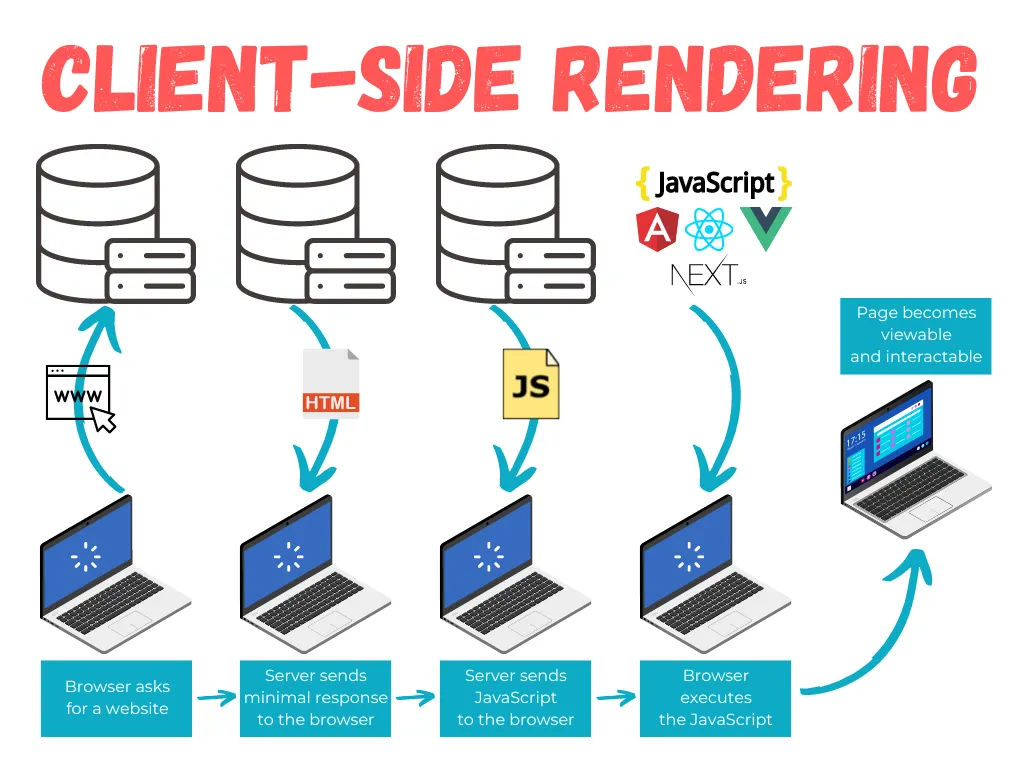
Your frontend is what users touch, feel, and judge within seconds. Today, Next.js built on top of React has emerged as the industry standard for web applications. It offers server-side rendering (SSR) and static site generation (SSG) out of the box, ensuring elite SEO performance and lightning-fast load times. Combined with utility frameworks like Tailwind CSS, teams can prototype and ship clean interfaces at record speeds.
2. The Backend (The Business Logic Engine)
The backend acts as the processing kitchen of your application. Depending on your engineering strengths, choose between:
- Node.js (JavaScript/TypeScript): Keeps your team unified under a single language ecosystem across the entire stack.
- Python (Django / FastAPI): Perfect for data-heavy applications, fintech platforms, or products deeply integrated with artificial intelligence and machine learning models.
3. Database and Storage Solutions
Choosing the correct database depends heavily on your data structure. Relational databases like PostgreSQL provide bulletproof ACID compliance, complex querying, and robust data integrity, making them ideal for modern SaaS. If you are exploring broader operational models, understanding how different structures affect growth is vital—consider reviewing SaaS Pricing Models Explained: Flat-Rate, Tiered, and Usage-Based to align your backend architecture with your monetization strategy.
Comprehensive Tech Stack Comparison Matrix
| Stack Layer | Recommended Tool | Best Suited For | Key Benefit |
| Frontend | Next.js + Tailwind CSS | Web SaaS & MVPs | Superior SEO & rapid UI styling |
| Backend | Node.js / Express | Full-stack JS teams | Unified language across client and server |
| Database | PostgreSQL | Relational SaaS data | High reliability and complex querying |
| Automation | n8n or Make | Workflow orchestration | Scalable data sync and complex logic |
| Cloud Host | Vercel / AWS | Global deployment | Serverless scaling with minimal overhead |
Operational and Productivity Stack: Beyond Code
A successful tech stack extends far beyond code editors and databases. Modern startups require tight operational alignment. For instance, optimizing your workflows through specialized automation tools is crucial as data volumes grow. For a detailed breakdown of automating pipelines, read insights on How to Automate Your Sales Pipeline with AI Tools: The Ultimate Guide.
Similarly, choosing the right automation backbone—whether deciding between cloud task runners or self-hosted systems—can drastically protect your operational margins. For deep technical context on scaling workflows, explore Zapier vs Make vs n8n: Which Automation Platform Wins?
Best Practices and Common Mistakes to Avoid
Best Practices
- Start Simple and Boring: Choose mature, battle-tested technologies over bleeding-edge frameworks that lack community documentation.
- Prioritize Developer Ergonomics: Choose tools your engineers already love. A happy developer ships code significantly faster than one fighting unfamiliar syntax.
- Design for Modularity: Keep your services decoupled so you can swap out components (like moving from a monolithic database to specialized microservices) when you hit product-market fit.
Common Mistakes to Avoid
- Over-Engineering Early: Building a complex Kubernetes cluster for an app with ten daily users wastes precious runway.
- Ignoring Compliance Realities: If you handle medical or financial data, failing to select privacy-first tools early can result in expensive security overhauls later.
- Vendor Lock-in Trap: Relying too heavily on proprietary cloud features can make migrating or scaling cost-prohibitive.
Related Articles
- Vertical SaaS vs Horizontal SaaS: Which Model Fits Your Business?
- AI-Powered Customer Onboarding: How to Automate the Journey
- SaaS Pricing Models Explained: Flat-Rate, Tiered, and Usage-Based
- Zapier vs Make vs n8n: Which Automation Platform Wins?
Conclusion
Choosing the right startup tech stack is an ongoing strategic exercise rather than a one-time technical checkbox. By prioritizing developer familiarity, modular architecture, and scalable cloud foundations, your startup can minimize early friction and maximize long-term agility. Keep your architecture simple, focus relentlessly on customer value, and select tools that grow gracefully alongside your business.
Frequently Asked Questions (FAQ)
1. What is the best tech stack for an early-stage startup MVP?
A modern full-stack JavaScript approach—consisting of Next.js, Node.js, and PostgreSQL hosted on Vercel or Railway—is widely considered the gold standard for speed, cost efficiency, and talent availability.
2. Should early-stage startups use low-code tools or custom code?
Low-code tools are exceptional for validating ideas and launching quick internal prototypes. However, as user numbers scale and custom logic deepens, most growing startups eventually transition to custom-coded architectures to avoid performance bottlenecks.
3. How does a tech stack impact startup fundraising?
Investors evaluate your tech stack to gauge technical risk. A clean, scalable, and standard stack assures venture capitalists that your product can handle growth without requiring an immediate, costly rewrite.
4. Is it safe to use serverless architecture for a growing startup?
Yes. Serverless platforms (such as AWS Lambda or Vercel) drastically reduce upfront infrastructure management and scale automatically with traffic, allowing lean teams to focus entirely on product features.
5. How do I balance technical debt with rapid feature shipping?
Accept minor technical debt as the cost of speed during your initial launch phase, but schedule dedicated sprint cycles post-launch to refactor code before it compromises system performance.