
Prebiotics vs Probiotics: What’s the Difference and Why Do They Matter?

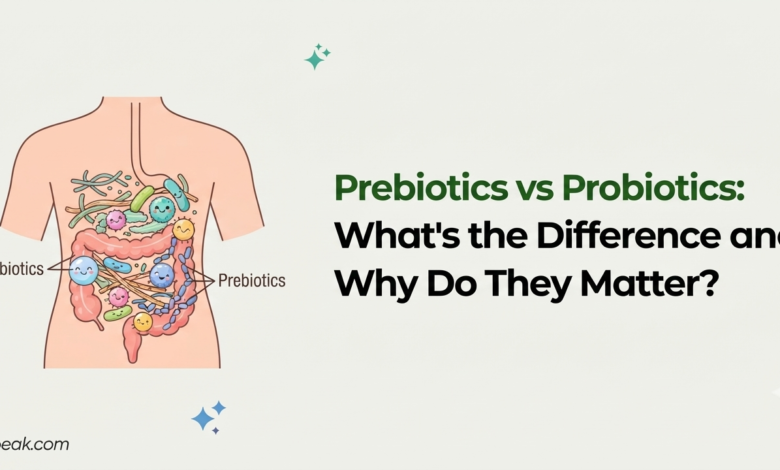
Maintaining optimal gut health has become a cornerstone of modern wellness, and for good reason. Trillions of microorganisms reside in your digestive tract, forming a complex ecosystem known as the gut microbiome. Keeping this internal ecosystem balanced requires understanding two heavy hitters of digestive wellness: prebiotics and probiotics. Though their names sound nearly identical, they perform completely different functions.
What is the Difference Between Prebiotics and Probiotics?
- Probiotics are live beneficial bacteria and yeasts that actively introduce helpful microorganisms into your digestive system.
- Prebiotics are specialized, non-digestible dietary fibers that act as fuel, feeding and stimulating the growth of those beneficial bacteria.
- The Synergy: Probiotics are the workers, and prebiotics are their food supply. Together, they form a symbiotic relationship essential for robust digestive health.
What Are Probiotics? (The Beneficial Microbes)
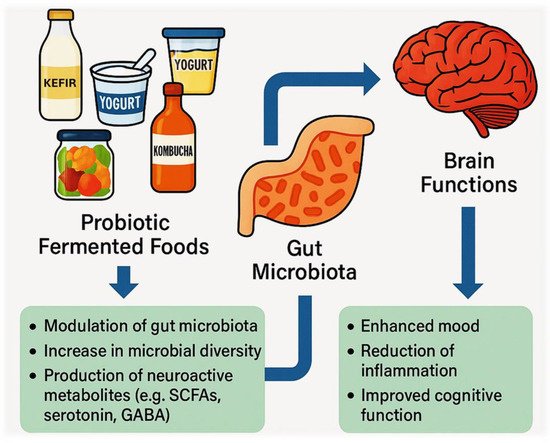
Probiotics are live bacteria and yeasts often referred to as “friendly” or “good” microbes. While it sounds counterintuitive to welcome bacteria into your body, your GI tract naturally hosts thousands of bacterial species. When illness, poor diet, or stress disrupts this balance, probiotics help restore harmony.
How Probiotics Work
When ingested in adequate amounts, probiotics colonize the gut temporarily, crowding out harmful pathogens, reinforcing the intestinal barrier, and modulating immune responses. Common strains include various species of Lactobacillus, Bifidobacterium, and the beneficial yeast Saccharomyces boulardii.
Top Probiotic Foods
Incorporating probiotic foods into your daily routine is an effective way to diversify your microbiome naturally:
- Yogurt & Kefir: Look for labels indicating “live and active cultures”.
- Sauerkraut & Kimchi: Fermented cabbages packed with native lactic acid bacteria.
- Miso & Tempeh: Traditional fermented soybean products rich in diverse microbial strains.
- Kombucha: A fermented, effervescent black or green tea drink.
What Are Prebiotics? (The Microbial Fuel)
If probiotics are the beneficial guests in your gut, prebiotics are the groceries keeping them alive. Prebiotics are non-digestible plant fibers that human enzymes cannot break down in the upper gastrointestinal tract. Consequently, they travel intact all the way to the colon, where your resident good bacteria ferment them.
The Power of Short-Chain Fatty Acids (SCFAs)
When beneficial bacteria ferment prebiotic fibers, they produce metabolic byproducts called short-chain fatty acids (such as acetate, propionate, and butyrate). SCFAs nourish the cells lining the colon, lower intestinal pH to deter harmful pathogens, regulate inflammation, and support metabolic health.
Top Prebiotic Foods
To feed your microbiome effectively, pack your plate with prebiotic foods rich in specialized fibers like inulin, fructooligosaccharides (FOS), and galactooligosaccharides (GOS):
- Alliums: Garlic, onions, leeks, and shallots.
- Roots & Tubers: Chicory root and Jerusalem artichokes.
- Fruits: Bananas (especially slightly underripe ones) and apples.
- Grains & Legumes: Oats, barley, flaxseeds, lentils, and chickpeas.
Probiotics vs. Prebiotics: Key Differences at a Glance
| Feature | Probiotics | Prebiotics |
| Nature | Live microorganisms (bacteria or yeasts) | Non-digestible dietary plant fibers |
| Primary Role | Introduce and replenish beneficial strains | Nourish and stimulate existing good bacteria |
| Upper GI Survival | Can be vulnerable to stomach acid (strain-dependent) | Passes through upper digestion completely intact |
| Main Sources | Fermented foods and targeted supplements | High-fiber plant foods and specialized powders |
| Core Benefit | Short-term flora restoration and immune defense | Long-term microbial diversity and SCFA production |
Why Do They Matter Together? (The Synbiotic Effect)
Taking probiotics without consuming enough prebiotic fiber is like planting seeds in barren soil without water or fertilizer. The new microbes may pass through your system transiently without establishing a permanent foothold.
Conversely, flooding your system with heavy prebiotics without a healthy foundational microbiome can sometimes lead to excessive fermentation, triggering temporary gas or bloating. Consuming them together—a concept known as synbiotics—ensures that the beneficial bacteria you introduce have an immediate, dedicated food source to help them thrive, multiply, and outcompete pathogenic microbes.
Read More Blog : Desk Job Wellness: Simple Exercises to Counter Long Hours of Sitting
Health Benefits Backed by Science
A flourishing gut microbiome influenced by balanced prebiotics and probiotics offers wide-ranging systemic benefits beyond basic digestion:
- Enhanced Nutrient Absorption: A healthy gut wall efficiently absorbs vital minerals such as calcium and magnesium.
- Immune System Regulation: Roughly 70% of the body’s immune cells reside in the gut. Microbiome signaling helps train immune cells to differentiate between harmless substances and dangerous invaders.
- Gut-Brain Axis Communication: The enteric nervous system communicates directly with the central nervous system via the vagus nerve, influencing mood, stress response, and cognitive clarity.
- Metabolic Support: SCFAs generated by prebiotic fermentation play a role in regulating lipid metabolism, insulin sensitivity, and satiety signals.
Common Mistakes to Avoid
- Chasing High CFU Counts Blindly: More is not always better when choosing supplements. Clinical efficacy depends heavily on specific, research-backed strains rather than sheer numbers of colony-forming units (CFUs).
- Ramping Up Fiber Too Quickly: Suddenly jumping from a low-fiber diet to heavy prebiotic loads can shock your digestive system, causing acute bloating and cramping. Increase fiber intake gradually.
- Ignoring Diet Quality: Relying on processed foods while popping expensive supplements undermines long-term gut diversity. Whole foods provide a matrix of micronutrients that synthetic pills cannot replicate.
- Neglecting Storage and Stability: Many probiotic strains are sensitive to heat and moisture. Always check label storage instructions to ensure live potency through the expiration date.
Related Articles
- Benefits of Meditation Before Bed for a Calmer Evening Routine
- Ginger Water Benefits: How to Prepare It and When to Drink It
- Ashwagandha Benefits: Traditional Uses and What to Know Before Taking It
Frequently Asked Questions
Can I get enough prebiotics and probiotics from food alone?
Yes. Most healthy individuals can meet their daily requirements through a diverse diet rich in fermented foods, whole grains, vegetables, and fruits without needing supplements.
Do prebiotics cause gas and bloating?
Because prebiotic fibers undergo bacterial fermentation in the colon, a sudden increase can temporarily cause mild gas or bloating. Introducing them slowly allows your digestive system to adapt.
Should I take my prebiotics and probiotics at the same time?
Yes, taking them together or consuming a synbiotic food/supplement ensures that the live probiotic bacteria have immediate access to their preferred fuel source.
Are probiotics safe for everyone?
While generally safe, individuals who are severely immunocompromised, critically ill, or suffering from severe structural gut disorders should consult a physician before starting high-dose probiotic supplements.
How long does it take for probiotics to improve gut health?
Timeline varies based on individual microbiome composition and diet, but most clinical studies observe noticeable shifts in digestive comfort within two to four weeks of consistent use.