

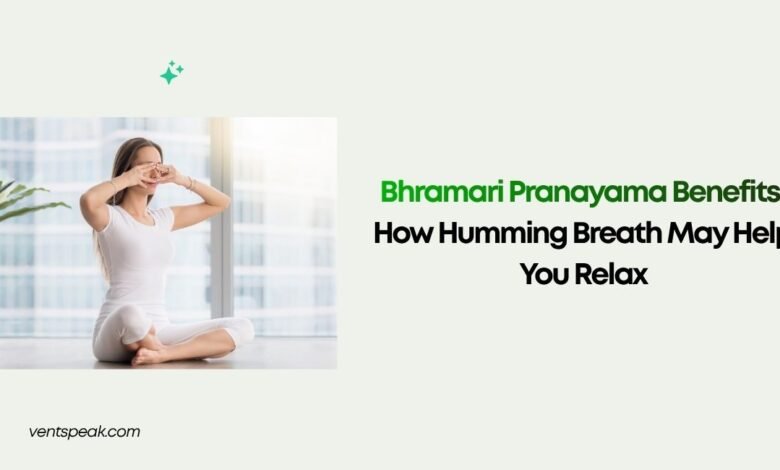
In a fast-paced world dominated by chronic stress and digital overload, finding quick, evidence-based methods to calm the nervous system is essential. Bhramari Pranayama, often called Humming Bee Breath, is a simple yet powerful yogic breathing technique known for its ability to reduce anxiety and promote inner stillness within minutes.
By combining deep diaphragmatic breathing, prolonged exhalation, and a gentle humming vibration, this ancient practice directly influences the parasympathetic nervous system. In this comprehensive guide, we explore the science behind Bhramari Pranayama benefits, step-by-step instructions for beginners, key safety guidelines, and how to integrate humming breath into your daily wellness routine.
What Are the Health Benefits of Bhramari Pranayama?
Bhramari Pranayama (Humming Bee Breath) is a yogic breathing exercise that uses audible humming vibrations during exhalation to stimulate the vagus nerve and promote immediate relaxation.
- Stress & Anxiety Reduction: Triggers the parasympathetic “rest-and-digest” response, lowering cortisol levels.
- Blood Pressure Management: Increases nitric oxide production in nasal passages, helping relax blood vessels and lower heart rate.
- Improved Sleep Quality: Quiets a racing mind, making it an effective pre-bedtime relaxation ritual.
- Enhanced Focus & Mental Clarity: Soothes auditory and mental chatter, relieving tension headaches and mental fatigue.
What Is Bhramari Pranayama?
The term Bhramari comes from the Sanskrit word for the Indian black bumblebee (Bhramari), while Pranayama translates to the control or extension of vital breath (prana). During this practice, you inhale deeply through the nose and produce a soft, resonant humming sound—like the buzz of a bee—as you exhale.
The Science of Humming and the Nervous System
When you exhale with a humming sound, the physical vibration resonates through the cranial bones, sinuses, and chest. Clinical research shows that this gentle vibration accomplishes three key physiological mechanisms:
- Vagus Nerve Stimulation: The auditory and throat vibrations stimulate the vagus nerve, which signals the heart to slow down and reduces the body’s physiological stress response.
- Endogenous Nitric Oxide Release: Studies indicate that humming significantly increases nasal nitric oxide (NO) output—up to 15-fold compared to normal quiet breathing. Nitric oxide acts as a natural vasodilator, improving oxygen uptake and circulation.
- Brainwave Alpha Wave Promotion: EEG studies demonstrate that practicing humming breath increases alpha brainwave activity, which is associated with a state of calm alert mindfulness and reduced mental fatigue.
6 Key Health Benefits of Bhramari Pranayama
1. Rapidly Calms Anxiety and Stress
By extending the exhalation phase relative to the inhalation, Bhramari Pranayama shifts your autonomic nervous system away from sympathetic “fight-or-flight” dominance. The soothing sound gives the mind a focal point, disrupting intrusive thoughts and reducing feelings of acute panic or stress.
2. Supports Healthy Blood Pressure and Heart Rate
Clinical trials investigating the cardiovascular effects of pranayama show that slow, rhythmic humming breath helps lower systolic and diastolic blood pressure. The combined action of increased nitric oxide and vagal tone relaxes arterial walls and decreases resting heart rate.
3. Alleviates Tension Headaches and Sinus Congestion
The micro-vibrations created during the hum help oscillate air molecules within the paranasal sinuses. This movement improves sinus ventilation, promotes fluid drainage, and relieves physical pressure associated with sinus congestion and tension headaches.
4. Improves Sleep Quality and Combats Insomnia
Practicing humming breath before sleep helps lower nighttime cortisol levels and calms an overactive central nervous system. Incorporating 5–10 minutes of this practice into a nightly wind-down routine helps prepare the body for deeper, more restful sleep.
5. Enhances Vocal Clarity and Throat Health
For speakers, singers, and educators, Bhramari Pranayama acts as a gentle vocal warmup. The smooth airflow and controlled resonance soothe the vocal cords, reduce laryngeal tension, and improve breath support.
6. Boosts Concentration and Mindfulness
Because the practice requires simultaneous focus on breath, touch, and sound, it acts as a form of auditory meditation (Nada Yoga). Regular practice trains the brain to sustain attention and increases daily cognitive endurance.
Step-by-Step Guide: How to Practice Bhramari Pranayama
Follow this step-by-step tutorial to practice Humming Bee Breath safely and effectively.
Preparation
- Find a quiet, comfortable space where you will not be disturbed.
- Sit in a comfortable cross-legged posture (such as Padmasana or Sukhasana) or upright in a chair with your feet flat on the floor and spine erect.
- Close your eyes and take a few natural, relaxed breaths to settle your posture.
The Technique
- Position Your Hands (Shanmukhi Mudra optional): Place your index fingers gently on the tragus cartilage of your ears (or lightly close your ear canals with your thumbs while resting your fingers lightly across your face).
- Inhale Deeply: Inhale slowly and deeply through both nostrils, allowing your abdomen and chest to expand naturally.
- Exhale with a Hum: Close your mouth, keep your jaw relaxed with teeth slightly parted, and exhale slowly while producing a continuous, smooth, low-pitched humming sound (“mmmm“).
- Focus on Vibration: Pay close attention to the vibration in your head, throat, and chest.
- Repeat: Inhale again and repeat the humming exhalation for 5 to 10 rounds.
Comparison: Bhramari Pranayama vs. Other Breathing Techniques
| Feature / Technique | Bhramari Pranayama (Humming Breath) | Anulom Vilom (Alternate Nostril) | Kapalabhati (Breath of Fire) |
| Primary Mechanism | Prolonged exhalation with humming sound | Alternating airflow between left/right nostrils | Rapid, forceful abdominal exhalations |
| Main Health Goal | Deep relaxation, stress relief, headache relief | Nervous system balance, oxygenation | Detoxification, metabolic activation, energy |
| Nervous System Effect | Parasympathetic activation (Calming) | Autonomic balance (Equilibrating) | Sympathetic activation (Energizing) |
| Best Time of Day | Evening, pre-bedtime, or during stress | Morning or afternoon transition | Early morning on an empty stomach |
| Skill Level | Beginner-friendly | Beginner-friendly | Intermediate / Advanced |
Common Mistakes to Avoid
To maximize Bhramari Pranayama benefits and avoid discomfort, ensure you avoid these typical errors:
- Pressing Ear Cartilage Too Hard: Never insert fingers forcibly into the ear canal. Apply only light pressure to the tragus to block ambient sound gently.
- Clenching the Jaw: Keep your teeth slightly apart behind closed lips so the vibration can resonate freely throughout the facial bones.
- Forcing the Exhalation: Do not strain your breath to make the hum excessively long or loud. Maintain a smooth, steady, and effortless rhythm.
- Practicing While Lying Down: Unless recommended for bed-rest recovery, sit upright so the spine remains aligned and respiratory mechanics remain unobstructed.
Read More Blogs: How Mindfulness Can Improve Your Focus and Memory
Best Foods for Brain Health and Mental Clarity
A Complete Wellness Guide for 2026: Mental, Physical, and Nutritional Health
Components of Wellness: Why Each One Matters for Your Well-Being
10 Signs Your Body Needs More Nutrition and How to Fix Them
Kapalbhati Pranayama: Benefits, Steps, and Precautions
Contraindications and Safety Precautions
While Bhramari Pranayama is one of the safest breathwork practices available, certain individuals should exercise caution:
- Active Ear Infections: Avoid closing the ears or generating internal pressure if experiencing severe otitis media, fluid buildup, or a perforated eardrum.
- Severe Chest Infection or Congestion: If breathing through the nose is fully obstructed, wait until acute inflammation subsides.
- Epilepsy or Severe Psychiatric Disorders: High-vibration sound therapies should be approached with medical guidance in individuals prone to seizures.
- Pregnancy: Pregnant practitioners should avoid holding the breath (Kumbhaka) and practice only gentle, unforced exhalations.
Conclusion
Bhramari Pranayama provides an accessible, evidence-based bridge between ancient yogic wisdom and modern neuroscience. By utilizing the simple power of your own voice and breath, you can stimulate the vagus nerve, increase beneficial nitric oxide, lower blood pressure, and quiet a hyperactive mind in just a few minutes a day. Integrate Humming Bee Breath into your daily routine whenever you need an immediate sense of peace, focus, and physical relaxation.
Frequently Asked Questions (FAQs)
How often should I practice Bhramari Pranayama?
Daily practice is safe and recommended. Performing 5 to 10 rounds once or twice a day—especially during times of stress or before bed—yields consistent benefits.
Can Bhramari Pranayama lower high blood pressure immediately?
Research shows that slow humming breath induces acute vasodilation through nitric oxide release, which can cause a modest immediate drop in heart rate and blood pressure during and after practice.
Is Bhramari Pranayama safe for beginners?
Yes, Humming Bee Breath is non-invasive and easy to learn, making it suitable for beginners, elderly adults, and individuals recovering from illness.
What is the best time of day to do Humming Bee Breath?
It can be performed anytime you need stress relief. However, early morning (before breakfast) and late evening (before sleep) are optimal times for uninterrupted focus.
Should I hold my breath during Bhramari Pranayama?
Beginners should maintain a smooth rhythm of inhalation and exhalation without holding the breath. Advanced retention (Kumbhaka) should only be attempted under expert guidance.
Can children practice Bhramari Pranayama?
Yes, children often enjoy the sound and sensory experience of Humming Bee Breath. It is an excellent tool for helping young kids calm down before homework or bedtime.