

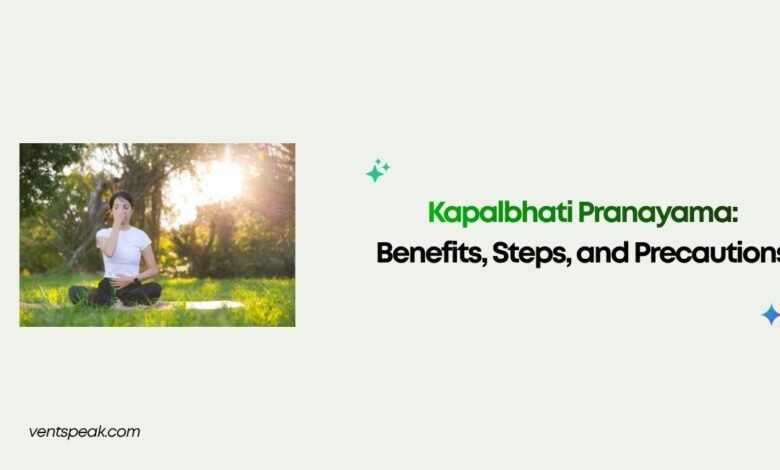
Kapalbhati Pranayama is a traditional yogic cleansing technique and breathing exercise characterized by rapid, forceful exhalations and passive, natural inhalations. Derived from the Sanskrit words kapala (skull) and bhati (shining or illuminating), this dynamic practice is celebrated for its ability to clear respiratory passages, boost metabolic rate, improve digestion, and heighten mental clarity.
While historically categorized under the Shatkarmas (six internal cleansing techniques in classical Hatha Yoga), modern practitioners widely utilize it as a potent breathwork discipline to reduce stress, tone core muscles, and enhance overall cellular detoxification.
What is Kapalbhati Pranayama?
Kapalbhati Pranayama (Skull Shining Breath) is an advanced yogic breathing technique involving active, rhythmic abdominal exhalations paired with passive, automatic inhalations. Practiced at a rate of 60–120 strokes per minute, it tones the core, stimulates digestive organs, expels trapped carbon dioxide, and boosts blood circulation throughout the brain and nervous system. For a beginner’s guide to breathwork fundamentals, explore our introduction to pranayama for beginners.
Physiological Science Behind the Kapalbhati Breathing Technique
Unlike normal physiological respiration—where inhalation is an active muscular process and exhalation is passive—the Kapalbhati breathing technique completely reverses this dynamic. During Kapalbhati:
- Active Exhalation: The abdominal muscles and diaphragm contract rapidly toward the spine, forcing air out through both nostrils.
- Passive Inhalation: The abdominal wall automatically relaxes, allowing fresh air to effortlessly fill the lower pulmonary lobes.
This rapid pumping action produces several physiological responses verified by modern medical research:
- Enhanced Carbon Dioxide Clearance: By forcefully clearing the residual volume in the lungs, Kapalbhati eliminates stale air and trapped carbon dioxide, significantly boosting oxygen exchange efficiency.
- Autonomic Nervous System Regulation: Clinical studies show that while acute practice momentarily heightens sympathetic alertness, the subsequent resting period markedly increases parasympathetic tone, boosting overall Heart Rate Variability (HRV) and emotional resilience.
- Visceral Massaging Effect: The rhythmic abdominal movement massages internal organs like the stomach, liver, and pancreas, stimulating digestive enzyme secretion and improving visceral microcirculation. To support your gut health further, check out our guide on evidence-based gut health strategies.
7 Science-Backed Kapalbhati Pranayama Benefits
1. Boosts Metabolism and Supports Weight Management
The vigorous contraction of the rectus abdominis and transverse abdominal muscles during practice generates internal heat (thermogenesis). This continuous abdominal activation stimulates the Jatharagni (digestive fire), accelerates resting metabolic rate, and aids in visceral fat reduction when combined with a balanced diet. Read more on lifestyle habits for sustainable weight loss.
2. Strengthens Core and Abdominal Muscles
Practicing multiple rounds of Kapalbhati functions as a low-impact core exercise. Repeated fast-twitch muscle contractions tone the deep abdominal core, providing better lumbar support, improving posture, and stabilizing the spine.
3. Improves Respiratory Efficiency and Vital Capacity
By strengthening the diaphragm and intercostal muscles, regular practice increases Peak Expiratory Flow Rate (PEFR) and Forced Vital Capacity (FVC). It helps flush out excess mucus, clears nasal passages, and supports lung elasticity.
4. Enhances Digestive Function and Enzyme Secretion
The repetitive physical pumping compresses and releases the gastrointestinal tract, stimulating peristalsis and relieving chronic constipation, bloating, and sluggish digestion.
5. Heightens Mental Clarity and Focus
Known as the “Skull Shining” breath, Kapalbhati increases oxygenated blood flow to the cerebral cortex. This increased microcirculation helps dispel mental fog, sharpens concentration, and improves cognitive stamina during mentally demanding tasks.
6. Reduces Stress and Regulates Cortisol
Clinical evaluations demonstrate that post-practice autonomic adaptation lowers baseline cortisol levels and elevates calming neurotransmitters like GABA. Learn more about managing everyday anxiety through our stress management techniques guide.
7. Promotes Cellular Detoxification and Skin Radiance
Superior oxygenation and enhanced lymphatic drainage facilitate cellular waste removal. Increased facial microcirculation delivers essential nutrients to skin cells, giving the face a healthy, radiant glow.
How to Do Kapalbhati Pranayama: Step-by-Step Guide
To perform Kapalbhati effectively and safely, follow this clear, step-by-step protocol:
Preparation & Posture
- Choose a Quiet Environment: Sit in a ventilated space on a comfortable mat.
- Adopt a Stable Seated Posture: Sit in Padmasana (Lotus Pose), Sukhasana (Easy Pose), or upright on a chair with a straight, un-slouched spine.
- Place Your Hands: Rest your hands on your knees in Chin Mudra or Gyan Mudra (thumb and index finger touching), palms facing upward.
- Relax the Face and Shoulders: Keep your jaw relaxed, eyes gently closed, and shoulders dropped away from your ears.
Step-by-Step Execution
- Step 1: Inhale deeply through both nostrils, allowing your abdomen to expand naturally.
- Step 2: Pull your navel inward toward your spine sharply while forcefully exhaling through your nostrils. You should hear a distinct puffing sound.
- Step 3: Immediately release the abdominal contraction. Allow the breath to flow back into your lungs passively and silently.
- Step 4: Repeat this active exhalation / passive inhalation cycle rhythmically. Aim for 1 exhalation per second (60 strokes per minute) as a beginner.
- Step 5: Complete 20–30 exhalations for 1 round. Relax with normal breathing for 30 seconds before beginning the next round. Build gradually up to 3 rounds.
Kapalbhati Pranayama vs. Bhastrika Pranayama
Although both techniques involve fast breathing, their primary mechanics and physiological focus differ substantially:
| Feature | Kapalbhati Pranayama | Bhastrika Pranayama |
| Exhalation Type | Active, sudden, and forceful | Active and forceful |
| Inhalation Type | Passive and automatic | Active and forceful |
| Primary Muscle Focus | Lower abdominal wall & navel | Diaphragm & entire chest cavity |
| Yogic Classification | Shatkarma (Cleansing technique) | Pranayama (Vital energy extension) |
| Primary Benefit | Core toning, detox, digestive boost | Rapid energization, lung expansion |
| Heat Generation | Moderate internal heat | High internal heat |
Important Precautions, Contraindications, and Common Mistakes
Medical Contraindications
Do not practice Kapalbhati Pranayama without consulting a physician if you have any of the following conditions:
- Uncontrolled High Blood Pressure or Heart Disease: The rapid change in intra-thoracic pressure can temporarily elevate blood pressure and strain cardiac vessels.
- Pregnancy or Menstruation: The forceful abdominal contractions can create undue stress on the uterus and pelvic floor.
- Abdominal Hernia, Ulcers, or Recent Surgery: Deep abdominal thrusts can irritate mucosal linings or disrupt surgical repair sites.
- Glaucoma or Detached Retina: Rapid breathing elevates intraocular pressure.
- Slipped Disc or Severe Spinal Issues: Forceful abdominal movement may worsen spinal misalignment.
Read More Blogs: How Mindfulness Can Improve Your Focus and Memory
Best Foods for Brain Health and Mental Clarity
A Complete Wellness Guide for 2026: Mental, Physical, and Nutritional Health
Components of Wellness: Why Each One Matters for Your Well-Being
10 Signs Your Body Needs More Nutrition and How to Fix Them
4 Common Mistakes to Avoid
- Engaging the Upper Body: Avoid jerking your shoulders, chest, or face. Only the lower abdomen should move actively.
- Forcing Inhalations: Inhalation must happen naturally; forcing it leads to hyperventilation and dizziness.
- Practicing on a Full Stomach: Always practice on an empty stomach (at least 3–4 hours after a heavy meal) to avoid nausea or cramping.
- Excessive Speed: Rapidly pumping beyond your control causes tension. Quality and rhythm always supersede speed.
Conclusion
Kapalbhati Pranayama stands out as a powerful bridge between ancient yogic wisdom and modern scientific wellness. By mastering active exhalation and passive inhalation, you can revitalize your metabolism, strengthen core abdominal muscles, enhance respiratory capacity, and clear mental fatigue. Always remember to practice mindfully, respect medical contraindications, and maintain consistency over intensity to experience its full therapeutic spectrum.
Frequently Asked Questions (FAQs)
What is the best time of day to practice Kapalbhati Pranayama?
The ideal time to practice Kapalbhati is early in the morning on an empty stomach. If practicing in the evening, ensure at least 3 to 4 hours have passed since your last meal.
Can beginners practice Kapalbhati every day?
Yes, beginners can practice Kapalbhati daily, starting slowly with 1 to 2 rounds of 20 exhalations each. Gradually increase repetitions as your core strength and breath control build.
How many minutes should I do Kapalbhati daily?
For general health maintenance, 5 to 10 minutes daily is sufficient. Advanced practitioners may practice up to 15 minutes, broken into multiple rounds with rest intervals.
Does Kapalbhati help reduce belly fat?
Kapalbhati engages and tones the abdominal core while boosting metabolic rate, which aids overall fat loss when paired with a caloric deficit and exercise. However, it cannot spot-reduce fat on its own.
Why do I feel dizzy during or after Kapalbhati?
Dizziness usually occurs when inhalation is forced rather than passive, leading to hyperventilation and elevated oxygen levels. If you feel dizzy, stop immediately and return to normal, deep breathing.
What is the difference between Kapalbhati and Anulom Vilom?
Kapalbhati is an active cleansing technique focused on rapid exhalation, whereas Anulom Vilom is a slow, alternate-nostril breathing exercise designed to balance the nervous system and calm the mind.
Can people with high blood pressure do Kapalbhati?
People with uncontrolled or severe hypertension should avoid Kapalbhati, as the forced breathing pattern causes transient spikes in systolic and diastolic blood pressure.