
Anthropic’s Claude ecosystem—powered by the Claude 3.7 Sonnet model and the agentic Claude Code CLI—has long been a gold standard for multi-file software engineering and deeply contextual, long-form writing. However, as enterprise demands shift toward multi-agent orchestration, native multimodal execution, and aggressive cost optimization, relying solely on a single AI ecosystem can create major bottlenecks. Rising API token costs and rigid developer interfaces have sent teams searching for highly specialized alternatives.
Whether you need a chat alternative app for creative content generation or a hyper-optimized claude ai tool alternative for complex codebase refactoring, the AI landscape of 2026 offers highly advanced, tailored options.
The Top Claude Alternatives at a Glance
For those looking to bypass the deep dive and find an immediate replacement, here are the leading alternatives classified by exact use case:
- Best Overall & Creative Content: ChatGPT (GPT-5 / o3). Unmatched for advanced multi-modal assets, real-time voice brainstorming, and persistent memory across projects.
- Best AI IDE for Developers: Cursor. Seamlessly integrates multi-file “Composer” editing, deep codebase indexing, and flexible model switching.
- Best Terminal & Git Agent: Aider. An open-source, terminal-native CLI agent that excels at tracking project architecture and committing clean Git diffs.
- Best Budget-Friendly Frontier AI: DeepSeek Coder Pro. Delivers high-tier functional reasoning for programmatic workflows at a fraction of the cost of Anthropic’s API.
- Best Research & Fact-Synthesis Engine: Perplexity AI. The ultimate conversational answer engine with robust inline citations and real-time web exploration.
The Best Claude Alternatives for Content Creation
While Claude is celebrated for its empathetic, nuanced prose, modern content marketing workflows require real-time web access, programmatic search synthesis, and native multimodal generation (images, audio, and video). The following options represent the top chat alternative app ecosystems for writers, growth marketers, and product teams.
1. ChatGPT (OpenAI) – Best for Multimodal Content & Rapid Ideation
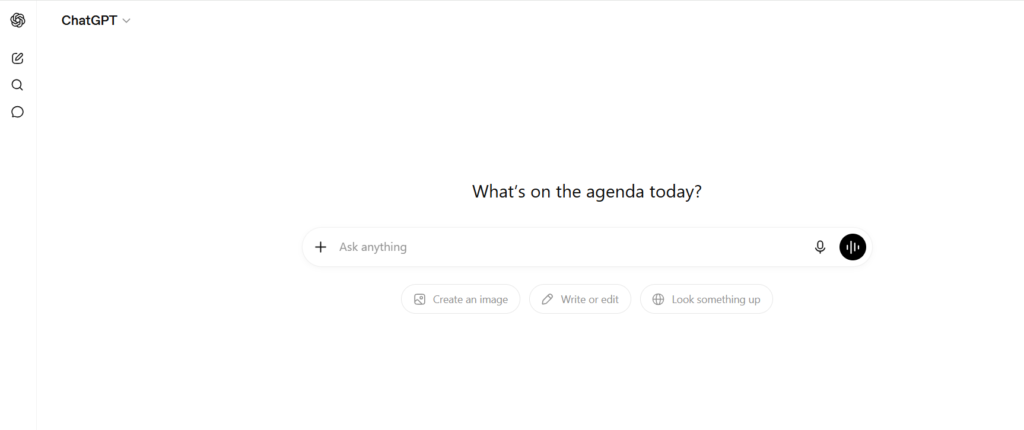
OpenAI’s flagship ecosystem remains the primary alternative for holistic content creation. With the maturation of its latest frontier models, ChatGPT bridges the gap between deep analytical thought and multimedia production.
- Why it replaces Claude: While Claude produces elegant prose, it lacks native image generation and sophisticated audio tools. ChatGPT features advanced real-time voice interactions (ideal for hands-free narrative brainstorming) and seamless DALL-E 3 image generation directly inside the workspace.
- Content Creation Use Case: Creating a cohesive multi-channel campaign. ChatGPT can outline a 2,000-word industry report, generate matching high-fidelity promotional graphics, and script an engaging podcast segment within a single conversational thread.
2. Perplexity AI – Best for Research-Driven & SEO Content
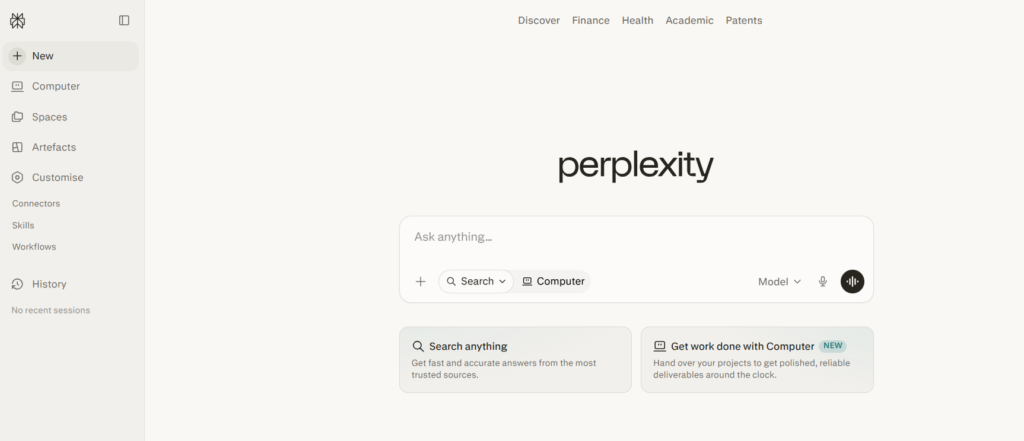
Perplexity functions as an advanced conversational search and synthesis engine, making it a critical asset for building highly authoritative, fact-checked editorial content.
- Why it replaces Claude: Claude’s knowledge is bounded by its training cutoff and standard web-browsing latency. Perplexity indexes the live web in real time, pulling high-authority sources and structuring them with granular inline citations. Furthermore, its Pro tier allows you to switch the underlying model to open-weight or alternative frontier LLMs while maintaining its elite search layer.
- Content Creation Use Case: Drafting white papers or technical guides on fast-moving tech trends. Perplexity aggregates breaking enterprise news, filters out low-value clutter, and provides an instantly structured research matrix backed by live documentation.
The Best Claude Alternatives for Coding & Software Engineering
For developers utilizing the claude ai tool stack for engineering, the landscape has evolved far beyond basic inline autocomplete. The focus in 2026 is on agentic context—the ability of an AI to understand an entire repository, run tests, diagnose terminal errors, and safely execute multi-file refactoring.
1. Cursor – The Definitive AI-First Complete IDE
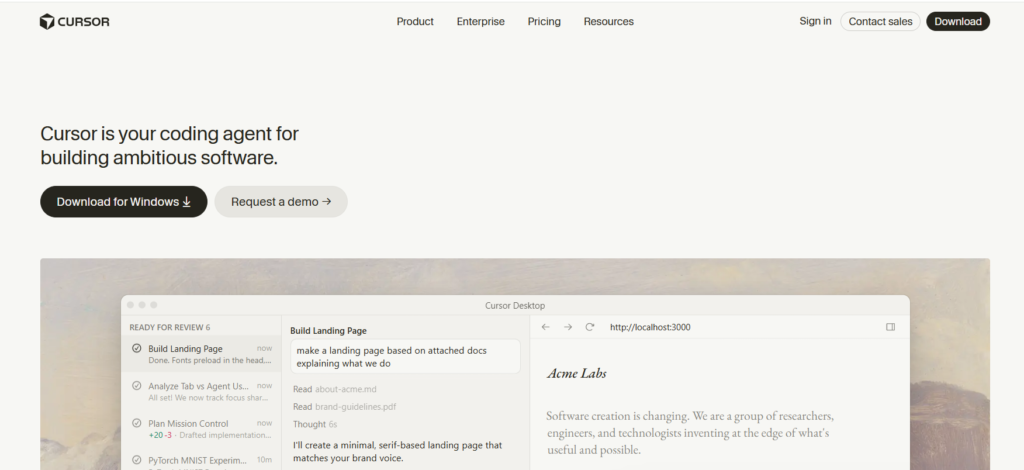
Cursor has successfully transformed how developers interact with codebases by rebuilding the core Visual Studio Code architecture around native agentic workflows.
- Why it replaces Claude Code: While Claude Code provides an exceptional terminal-based command-line interface (CLI) experience, Cursor provides a visual, multi-file editing environment via its “Composer” mode. It tracks your entire workspace, allows you to index local documentation, and lets you swap between leading reasoning models instantly.
- Coding Use Case: Upgrading a legacy system. By indexing the entire workspace, a developer can use Cursor to rewrite an outdated API service across several interconnected routers, controllers, and schema files simultaneously, safely catching type errors before compilation.
2. Aider – Best Git-Native Terminal AI Agent
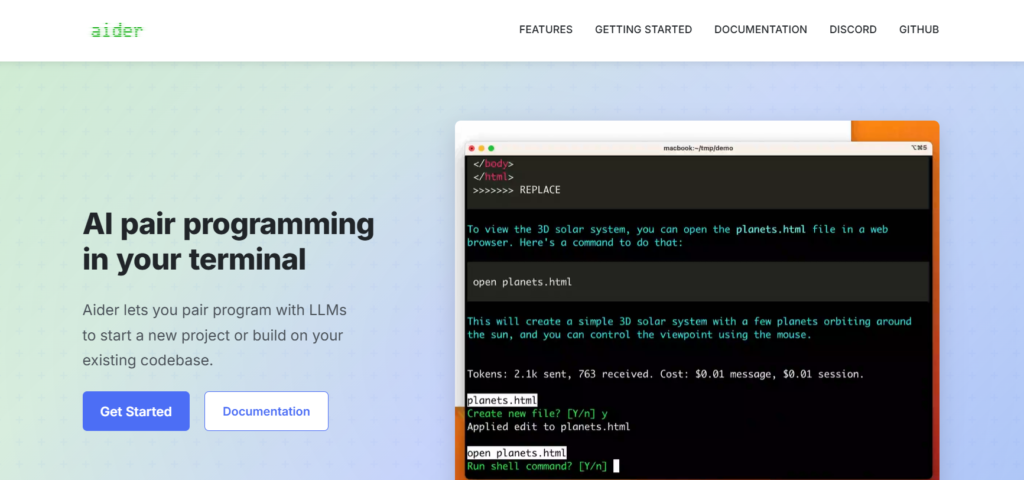
For engineers who prefer working directly out of a terminal command line without vendor lock-in, Aider stands as the premier open-source pair programmer.
- Why it replaces Claude Code: Aider runs directly inside your local terminal and is deeply integrated with Git. It maps your entire repository structure to minimize token overhead and automatically creates clean, granular Git commits with descriptive messages for every successful change it introduces.
- Coding Use Case: Test-driven development loops. You can launch Aider in your terminal, point it toward a failing test suite, and command it to modify your source code until all local tests pass cleanly.
3. DeepSeek Coder Pro – Best Low-Cost Frontier Alternative
As enterprise data volumes grow, the cost of running millions of tokens through premium Western frontier models has become a pressing financial consideration. DeepSeek has emerged as a powerhouse alternative for commodity cognition.
- Why it replaces Claude Code: DeepSeek offers incredibly capable code-generation and debugging logic at a microscopic fraction of Anthropic’s pricing tier (frequently under $1 per million output tokens compared to Claude’s premium rates). It has become the go-to backend for high-volume internal automation, boilerplating, and initial software scaffolding.
- Coding Use Case: High-volume script automation and bulk codebase documentation. DeepSeek can parse thousands of legacy functions and write comprehensive docstrings, unit tests, and structural updates without bloating the engineering budget.
Comprehensive Feature & Cost Comparison
To help you choose the right tool for your specific workflow, this comprehensive matrix breaks down the top alternatives by their optimal use cases, core strengths, and pricing structures.
| AI Platform / Tool | Primary Strengths | Ideal Target Audience | Pricing Structure (2026) |
| Claude (Anthropic) | Elite long-context reasoning, complex architecture, nuanced writing. | Software Architects & Editorial Writers | Free tier; Pro: $20/mo; Custom Enterprise tiers. |
| ChatGPT (OpenAI) | Native image/voice generation, advanced logic, persistent memory. | Multimodal Creators, Managers, Generalists | Free tier; Plus: $20/mo; Pro: $200/mo. |
| Cursor IDE | Full visual codebase indexing, multi-file Composer mode, model flexibility. | Full-Time Software Engineers & Dev Teams | Free tier; Pro: $20/mo; Business options available. |
| Aider CLI | Git-native terminal agent, automatic commits, zero vendor lock-in. | Command-Line Purists & Open-Source Devs | Free & Open Source (User pays direct API token costs). |
| Perplexity AI | Real-time web synthesis, automatic inline citations, research threads. | Technical Researchers, Journalists, SEOs | Free tier; Pro Plan: $20/mo. |
| DeepSeek Coder Pro | Ultra-low token pricing, high-speed commodity coding, robust baseline logic. | Bootstrapping Founders & Enterprise Cost-Cutters | Pay-as-you-go API (Typically less than $1 perM tokens). |
Read More Blogs: 10 Best AI Tools in 2026 : The Ultimate Guide
15 Best Free AI Tools in 2026: A Full Guide
11 Best Free AI Tools for Small Businesses
Claude vs ChatGPT vs Gemini: Free AI Tool Comparison
Strategic Implementation: Best Practices & Common Pitfalls
Transitioning to a new AI workspace requires structural adjustments to maximize efficiency and maintain operational quality.
Best Practices for Seamless Migration
- Maintain Modular Context: When moving from Claude’s “Projects” feature to ChatGPT or Cursor, explicitly define your brand rules or coding standards in structured system markdown files (.cursorrules or custom GPT instructions).
- Implement a Hybrid AI Strategy: Use high-volume, low-cost models (like DeepSeek) for baseline boilerplate generation, data formatting, and code translation. Reserve premium frontier reasoning models (like Claude or OpenAI’s o-series) for high-stakes architectural decisions and sensitive copy editing.
- Validate via Sandboxes: When using autonomous terminal agents like Aider or Claude Code, always execute changes on isolated git branches and route final outputs through local Docker sandboxes or CI/CD testing pipelines before merging.
Common Mistakes to Avoid
- The Over-Indexing Trap: Forcing an AI tool to scan an entire monolithic directory for a localized five-line fix. This wastes time, inflates API token costs, and increases the risk of context dilution.
- Blindly Trusting Deprecated Syntax: Coding tools frequently suggest highly confident but slightly outdated library methods or API endpoints. Always verify edge-case package dependencies against live documentation.
- Ignoring Data Privacy Outlines: Ensure that any alternative tool deployed across your corporate network features strict enterprise-grade security controls that prevent your proprietary data or codebase from being ingested for public model training.
Conclusion
The AI landscape of 2026 has transitioned away from a single “winner-takes-all” ecosystem toward a highly functional, hybrid paradigm. While Claude remains an incredible standalone tool for architectural planning and nuanced writing, diversifying your technology stack with specialized alternatives like Cursor for development, Perplexity for structural research, and ChatGPT for multimedia execution eliminates single-provider dependencies. By aligning each specific task with the model best optimized for its complexity and cost, engineering and creative teams can build a far more resilient, scalable, and cost-effective digital operation.
Frequently Asked Questions (FAQs)
What is the closest open-source alternative to Claude Code?
Aider and OpenCode are the leading open-source alternatives to Claude Code. Aider operates directly within your local terminal, maps your repository structure efficiently, and integrates seamlessly with Git to auto-commit successful code updates. OpenCode provides excellent model flexibility, allowing engineers to connect to over 75 distinct model providers or run completely local open-weight models via Ollama.
Which chat alternative app has the best memory for long-form content creation?
ChatGPT’s persistent memory system and its dedicated workspace tools make it highly efficient for managing long-term projects. It recalls stylistic tone, brand boundaries, and past campaign goals across separate conversational threads without requiring the user to re-upload core context documents every session.
Are there free Claude alternatives that match its coding capabilities?
While premium reasoning models carry operating costs, Google’s Gemini CLI offers a robust, highly competitive free tier with a massive context window that connects fluidly with Google Cloud environments. For open-source architectures, pairing a free terminal wrapper like Cline with low-cost APIs like DeepSeek Coder Pro provides near-frontier performance for pennies.
How do alternative tools prevent AI hallucinations in technical documentation?
Tools like Perplexity AI mitigate hallucinations by employing a Retrieval-Augmented Generation (RAG) architecture linked to the live web. Instead of relying purely on static internal weights, the system actively queries authoritative documentation, summarizes the live search results, and appends explicit inline hyperlinks back to the primary source material.
Can Cursor use Claude models, or am I locked into a specific provider?
One of Cursor’s primary design strengths is its model flexibility. It does not lock you into a single provider; you can input your own API keys or use their built-in premium tiers to alternate instantly between OpenAI’s o-series, Anthropic’s Claude Sonnet, or open-weights like Llama, depending on the exact engineering task at hand.