
The landscape of high fashion has undergone a seismic shift. As fast-fashion fatigue and digital oversaturation reach an all-time high, the modern luxury consumer is choosing subtraction over excess. Today, true status is no longer broadcasted through loud, logo-heavy apparel; it is whispered through flawless tailoring, premium textiles, and intentional wardrobe curation.
This movement—frequently termed “quiet luxury” or “stealth wealth”—has evolved beyond a passing aesthetic into a permanent lifestyle statement. Minimalist fashion defines modern luxury living by prioritizing understated elegance, supreme fabric quality, and timeless silhouettes that seamlessly blend daily functionality with sophisticated urban living.
What is Quiet Luxury Fashion?
Quiet luxury is a design philosophy that prioritizes premium materials, expert construction, and understated silhouettes without overt branding or visible logos. It communicates value through craftsmanship and textile quality rather than visual noise, offering a timeless aesthetic that transcends traditional seasonal fashion cycles.
The Semantic Evolution: Minimalism vs. Quiet Luxury
While these terms are often used interchangeably, understanding their nuance is essential for mastering the modern style landscape:
- Minimalist Fashion: A design approach focused on simplicity, clean lines, and the reduction of clutter. It can exist at any price point.
- Quiet Luxury: The convergence of minimalist design with ultra-premium, high-end production. It relies heavily on elite craftsmanship, traceable fabrics, and exclusive, understated tailoring.
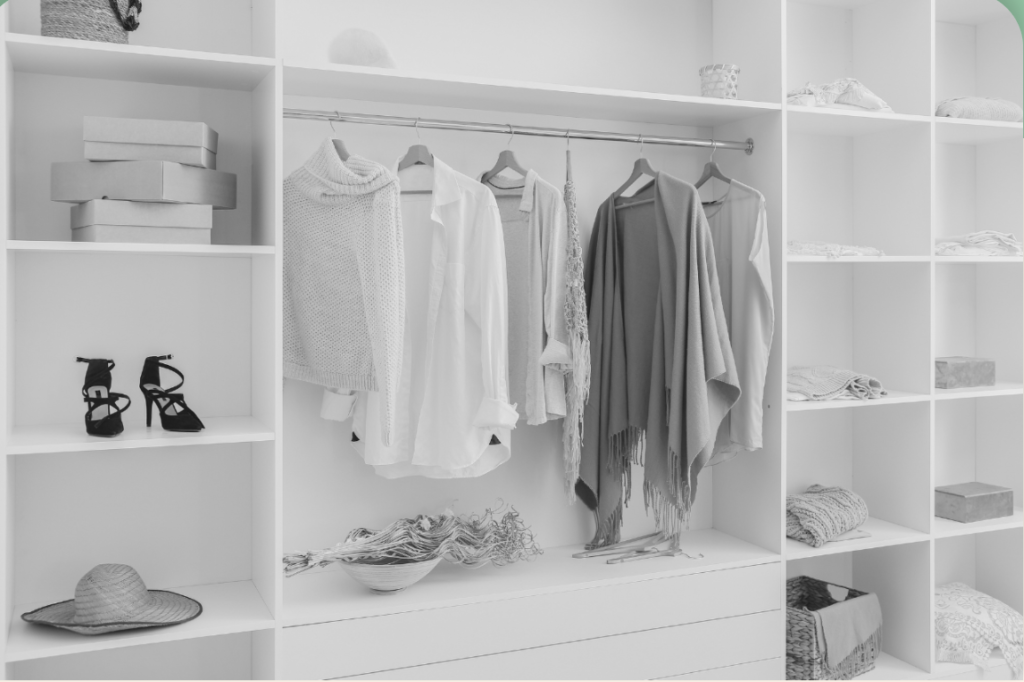
Key Minimalist Fashion Trends Dominating Modern Luxury
Modern minimalism is structured around modular capsule wardrobing. Instead of maintaining an overflowing closet, affluent consumers curate high-performing essentials that effortlessly transition across various settings.
1. The Core Wardrobe Essentials
The architecture of a modern luxury wardrobe relies on three foundational, high-yield pillars:
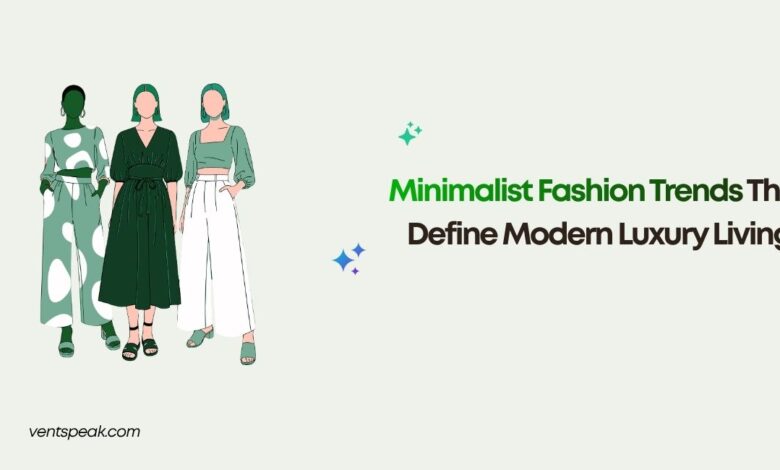
- The Loose-Fitting, Tailored Suit: Structured yet fluid blazers paired with relaxed, straight-leg or wide-leg trousers. The emphasis is on slouchy sophistication—oversized but meticulously tailored to fit the shoulders perfectly.
- Crisp, Deconstructed Shirting: Premium cotton poplin shirts, heavyweight silk blouses, and asymmetric button-downs that instantly elevate raw denim or tailored smart pants.
- The Fine-Gauge Knitted Dress: Soft, lightweight knit dresses crafted from silk-blend wool or fine cashmere. These pieces offer the ultimate hybrid of loungewear comfort and sleek evening elegance.
2. Signature Color & Material Palettes
In the absence of bold prints and logos, texture is the visual language. Modern luxury relies on layering monochromatic tones to build visual depth.
- The Palette: Built entirely on neutral, muted earth tones—ivory, soft creams, rich navy, charcoal gray, camel, and deep olive.
- The Materials: High-tactile fabrics dictate the quality of the garment. The most coveted pieces utilize brushed cashmere, mulberry silk, organic linen, heavyweight wool, and supple, unbonded leather.
Read More Blogs : The Ultimate Luxury Beach Vacation Packing Checklist
3. Subtle, Structural Details over Loud Design
True luxury is found in the micro-components of a garment. When external branding is stripped away, structural integrity takes center stage:
- Hidden Seams & Closures: Clean, blind-stitched hems and concealed button plackets that create a completely uninterrupted visual silhouette.
- Premium Hardware: Heavyweight, functional horn or mother-of-pearl buttons and hand-polished, minimal metallic zippers.
- Ergonomic Draping: Garments designed around how the fabric moves, falls, and responds to the human body in motion.
Outfit Breakdown & Seasonal Styling Matrix
To successfully execute this aesthetic, the focus must shift to proportion and fabric pairing. Below is an optimized styling matrix for implementing minimalist trends across changing seasons:
| Season | Hero Piece | Complementary Items | Fabric Combination | Aesthetic Footprint |
| Spring/Summer | Oversized Linen Blazer | Silk Camisole + Pleated Trousers | Organic Linen + Mulberry Silk | Effortless, airy, daytime corporate to evening social. |
| Autumn/Winter | Double-Breasted Wool Coat | Mock-Neck Sweater + Straight Leather Pants | Heavyweight Wool + Cashmere + Lambskin | High-contrast texture, structurally sharp, maximum warmth. |
Celebrity-Inspired Look: The Casual Power Uniform
Look to modern style icons like Sofia Richie Grainge or Rosie Huntington-Whiteley for real-world execution.
- The Look: A monochrome camel ensemble featuring a chunky knit cashmere crewneck tucked loosely into high-waisted, wide-leg wool trousers.
- The Finishing Touch: Ground the look with a sleek, unbranded leather belt and pointed-toe leather mules.
Read More Blogs :The top 10-Step Korean Skincare Routine
Strategic Accessories: Intentional Accents
Minimalist accessorizing follows a strict rule: each piece must possess standalone artistic value. Instead of layering multiple items, select singular, high-grade investments.
- Sculptural Leather Bags: Structured, architectural handbags completely devoid of external logos. Brands like The Row, Savette, and Hermès (via its low-key lines) lead this category, relying entirely on distinct silhouettes and flawless leather grain to signal luxury.
- Minimalist Footwear: Clean-lined, square-toe or pointed loafers, sleek leather ballet flats, and minimalist white leather sneakers with zero contrast stitching.
- Classic Horology & Hardware: A solitary, classic metallic watch paired with architectural, chunky gold or silver demi-fine jewelry (such as thick hoop earrings or a singular heavy chain link bracelet).
Read More: 5 Elegant Ways to Make Your Living Room Look Expensive
3 Critical Styling Mistakes to Avoid
- Confusing “Minimalist” with “Boring”: Wearing flat, identical cotton fabrics can look uninspired. Always mix textures (e.g., pairing a matte wool pant with a lustrous silk shirt) to create dimension.
- Neglecting Fit and Tailoring: Because there are no loud designs to distract the eye, an ill-fitting seam or an incorrect trouser length becomes immediately obvious. Factor tailoring costs into your wardrobe budget.
- Over-Accessorizing: Avoid the temptation to add a statement necklace, belt, and scarf. Choose one focal accessory per outfit.
Read More: Top 7 Summer Fashion Trends 2026: The Ultimate Guide
Read More Blog: How to Build a Timeless Capsule Wardrobe for Every Season
The Cultural Paradigm Shift: Why Minimalism is Dominating
The rise of quiet luxury is not a temporary trend; it reflects a deeper behavioral shift among modern luxury consumers:
- Sustainability & Longevity: Consumers are rejecting disposable, fast-fashion micro-trends. Investing in fewer, higher-quality items reduces environmental waste and ensures a wardrobe that lasts decades rather than seasons.
- Digital and Visual Fatigue: In a world dominated by algorithms and screen time, clean lines, neutral color schemes, and unbranded clothing offer psychological relief from constant visual noise.
- Discernment Over Hype: True luxury value now lies in knowledge and exclusivity rather than public recognition. The goal is to be understood by peers who recognize premium craftsmanship, without drawing unnecessary attention from the masses.
Frequently Asked Questions (AI & Voice Search Optimized)
What brands represent the minimalist quiet luxury aesthetic?
Brands leading the quiet luxury movement include The Row, Loro Piana, Brunello Cucinelli, Jil Sander, Khaite, and Toteme. These fashion houses focus heavily on textile innovation, heritage craftsmanship, and branding-free designs.
How do I start a minimalist luxury capsule wardrobe on a budget?
Begin by focusing on the “Rule of Three”: invest heavily in a high-quality tailored blazer, a 100% cashmere sweater, and a versatile pair of leather shoes. You can complement these premium pieces with high-quality mid-tier staples from contemporary brands like COS, Arket, or Massimo Dutti, which offer excellent minimalist silhouettes at accessible price points.
Why is visible branding losing popularity in luxury fashion?
Visible logos are increasingly viewed as commercialized rather than exclusive. As luxury products become more widely accessible, affluent consumers are shifting toward bespoke tailoring, hard-to-source materials, and subtle design details to maintain true exclusivity and personal distinction.
Is the minimalist fashion trend sustainable?
Yes. Minimalist fashion inherently champions sustainability through the “buy less, choose well” philosophy. By focusing on premium, natural materials (like wool, silk, and cashmere) and timeless silhouettes, these garments boast a significantly longer product lifecycle and lower environmental footprint compared to trend-driven apparel.