

Much like the world of luxury fashion, creating an expensive-looking home isn’t about how much money you spend—it is about understanding tailoring, silhouettes, and textile choices. Just as a perfectly fitted bespoke blazer instantly elevates a capsule wardrobe, applying specific high-fashion design principles to your living space can transform a standard room into a designer-curated environment that radiates “Quiet Luxury” and the “Old Money Aesthetic.”
By leaning into current interior trends that mirror runway fashion—such as tonal dressing, rich tactile contrasts, and strong architectural lines—you can easily evoke a sumptuous, high-end feel.
Luxury Living Room Design Summary
To make your living room look luxurious, focus on high-impact visual tailoring and rich textural contrast. First, hang drapery high and wide—mount curtain rods close to the ceiling to create a floor-to-ceiling illusion. Second, layer your lighting by placing 3 to 5 light sources (like brass wall sconces, ceramic table lamps, and floor lamps) to create a warm, ambient glow. Third, incorporate natural fabrics like velvet, organic linen, mohair, and nubby wool within a strict tonal color palette. Finally, integrate a large-scale statement art piece and style your coffee table with a structured marble or lacquer tray to ground the space.
1. Tailor Your Windows: Hang Drapery High and Wide
In fashion, an ill-fitting hemline can ruin a beautiful silk gown. In interior design, the same rule applies to your windows. Standard window treatments often make a space look short, flat, and uninspired.
The Designer Technique
To achieve a custom, structural silhouette, extend your curtain rods at least 6 to 10 inches past the window frame on each side, and mount the hardware as close to the ceiling as possible. This creates an optical illusion of grander, floor-to-ceiling windows and allows maximum natural light to flood the room.
Fabric and Silhouette Selection
- The Materials: Select heavy, high-quality natural fibers such as Belgian linen, rich velvet, or heavy cotton duck. Avoid sheer, synthetic polyester panels that lack weight and look flimsy.
- The Fit: Your curtains should delicately kiss the floor or hover a mere quarter-inch above it without puddling excessively. To prevent a sparse appearance, buy extra panels so the drapery looks full, lush, and pleated even when drawn closed.
2. Layer Your Lighting Like a Runway Show
A foundational mistake that breaks a high-end aesthetic is relying on a single, harsh overhead light source (affectionately dubbed “the big light”). High-fashion photography relies on multi-directional, soft lighting to create depth, and your home requires the exact same treatment.
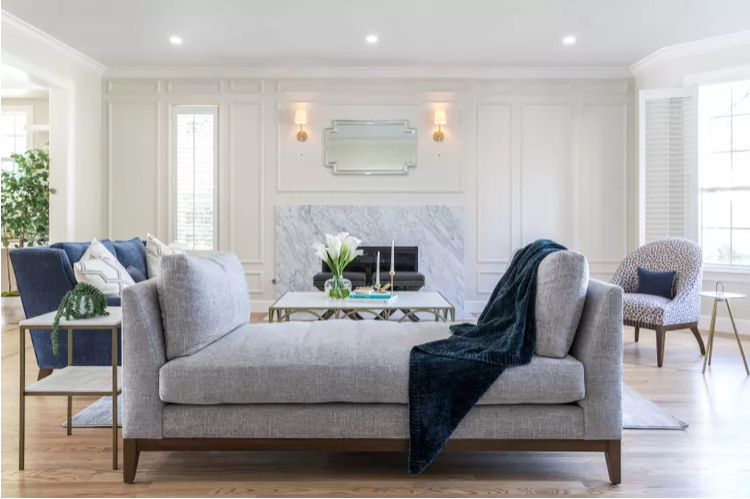
An expensive-looking living room should feature at least 3 to 5 independent light sources placed at varying heights throughout the space. This layering technique eliminates harsh shadows, introduces warmth, and allows you to curate distinct moods for day and evening.
The Luxe Lighting Portfolio
To inject instant architectural character and visual interest, mix and match your lighting fixtures across different material finishes:
- Ambient: Dimmable architectural recessed lights or a sculptural, minimalist ceiling medallion fixture.
- Task: A sleek, heavy-set metal floor lamp in brushed brass or matte black next to a reading chair.
- Accent: Fine ceramic table lamps with linen shades on side tables, paired with hardwired or plug-in frosted glass wall sconces to frame a feature wall.
Read More: Top 7 Summer Fashion Trends 2026: The Ultimate Guide
3. Layer High-End Textures Within a Tonal Palette
When fashion icons dress in monochromatic outfits, they keep the look interesting by mixing different fabric textures—pairing a nubby cashmere knit sweater with a smooth silk slip skirt, for instance. You can apply this exact style trend to your living room upholstery.
Mixing Materials Like a Fashion Stylist
According to top interior designers, mixing premium natural fibers creates a rich, collected look that feels highly intentional rather than bought straight out of a big-box store showroom.
- The Formula: Swap out flat, basic synthetic fabrics for a curated mix of velvet, organic linen, mohair, nubby wool, and bouclé via your throw pillows, accent blankets, and main seating upholstery.
- The Golden Rule: To ensure your living room stays cohesive and avoids looking messy, stick to a strict tonal color palette. Utilize varying shades of soft neutrals—like alabaster, warm taupe, camel, and olive green—so that the texture provides the depth, not busy patterns.
4. Keep Scale Top of Mind & Go Big with Statement Art
A classic shopping behavior mistake is buying a cluster of small decorative items and tiny picture frames, which creates visual clutter and makes a room feel smaller. Luxury design thrives on confidence, clean silhouettes, and appropriate scale.
Fabric & Furniture Comparison Matrix
| Design Element | Luxury Resort / Expensive Aesthetic | Common Styling Mistake to Avoid |
| Furniture Scale | Large, intentional sectional sofas or structured accent chairs that maximize the room’s footprint cleanly. | Clusters of small, mismatched chairs that fragment the layout. |
| Upholstery Fabric | Rich, high-durability fabrics like full-grain leather, mohair, or performance velvet. | Lightweight synthetic polyesters that wrinkle or pill over time. |
| Art Curation | One or two oversized, large-scale original or vintage paintings that serve as a focal point. | A busy gallery wall of tiny, mass-produced digital prints in cheap frames. |
| Greenery | A singular, statement potted tree (e.g., a Fiddle Leaf Fig or Olive Tree) in a vintage stoneware vessel. | A collection of small, plastic faux plants scattered along shelves. |
Stylist Tip for Renters: If you are renting or on a tight budget, look for original large-scale mixed-media art or hanging tapestries at local thrift shops and vintage markets. An oversized piece instantly adds sophistication and signals that the space was custom-designed.
5. Add Architectural Interest and Style Your Focal Points
An expensive room always boasts custom architectural character. If your home lacks historic crown molding, wall trim, or built-in shelving, you can introduce these features seamlessly using easy, renter-friendly DIY techniques.

Picture Frame Molding & Hardware Upgrades
Installing decorative picture frame molding on a feature wall adds an extra layer of structural intrigue. For renters, many modern online tutorials showcase how to apply lightweight trim using temporary, damage-free adhesive that can be removed at the end of a lease.
Additionally, pay close attention to the touchpoints of your room. Upgrading standard, builder-grade door knobs and cabinet handles to solid, heavy metallic finishes like brushed brass, oil-rubbed bronze, or matte black completely shifts the tactile experience of the space.
Frequently Asked Questions (FAQ)
What is the best color palette to make a living room look expensive?
A monochromatic or tonal neutral color palette is the most effective way to evoke quiet luxury. Focus on shades of cream, bone white, warm taupe, greige, and camel. You can inject high-end contrast by using deep earth tones—such as forest green, rich terracotta, or charcoal black—in minor accents like throw cushions or ceramic pottery.
How do I make low ceilings look higher using decor?
The most effective way to visually heighten a room is to mount your curtain rods directly below the ceiling line and extend them wide past the window frame. Additionally, incorporating low-slung, minimalist furniture silhouettes keeps the sightlines open, while vertical wall molding draws the eye upward, creating an expansive feel.
Should I choose live or faux plants for a luxury look?
Live trees, such as an olive tree or a fiddle-leaf fig, are always preferred for a premium look because they add a rich, organic neutral color to any palette. However, if your room lacks adequate sunlight, a high-quality faux tree works beautifully. Just avoid shiny plastic finishes, and line the top of the planter pot with real, dried moss to create an authentic texture.
What is a common mistake that makes a living room look cheap?
The most common mistake is overdecorating with small-scale clutter and relying on matched furniture sets from big-box retailers. Buying a matching sofa, love seat, and armchair combination strips a room of personality. Instead, mix complementary materials (like a linen sofa paired with leather accent chairs) to build a sophisticated, collected-over-time aesthetic.