








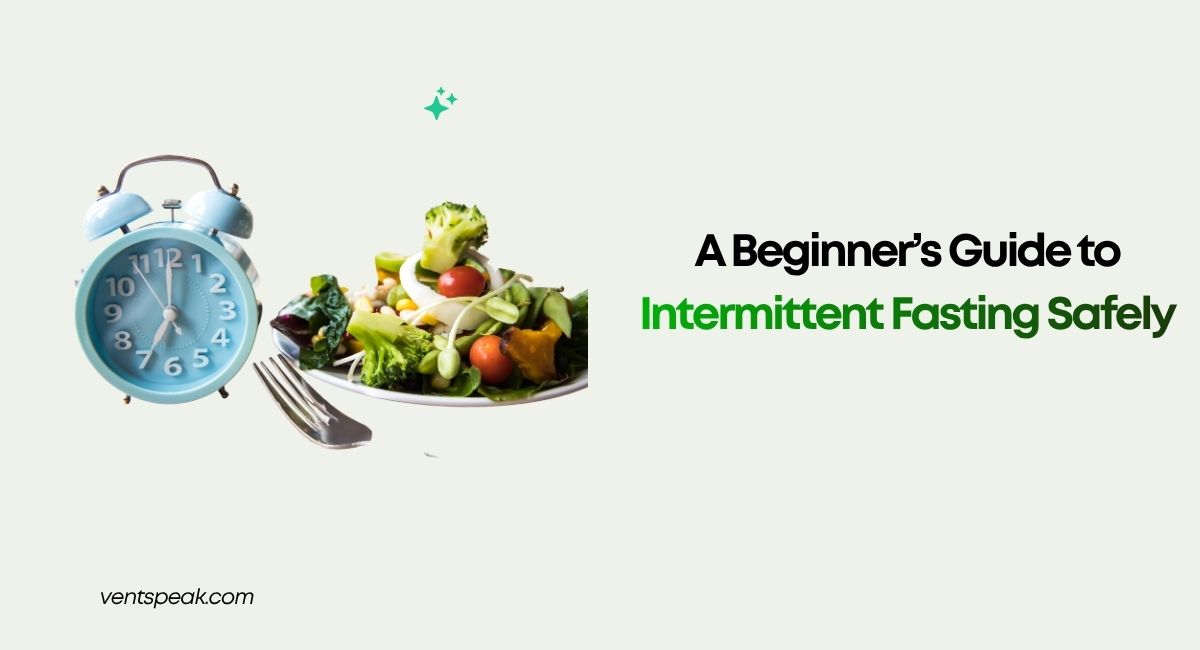
Intermittent fasting (IF) has emerged as one of the world’s most popular health and wellness trends. Unlike conventional diets that restrict what you eat, intermittent fasting focuses entirely on when you eat. This evidence-based eating pattern cycles between designated periods of fasting and eating, aligning with human evolutionary biology and circadian rhythms to optimize metabolic health, cognitive function, and cellular repair.
For many beginners, transitioning to an intentional fasting schedule can feel daunting. However, when practiced safely and structured correctly, it serves as a powerful, sustainable lifestyle habit for weight management, preventive care, and enhanced longevity.
What is Intermittent Fasting?
Intermittent fasting (IF) is an eating pattern that cycles between periods of fasting and eating. It does not prescribe specific foods, but rather schedules when you should consume them, making it an eating schedule rather than a traditional restrictive diet.
When you eat, your body spends a few hours processing that food, burning what it can, and storing the rest as fat. During a fasting state, your insulin levels drop significantly, signaling to your body to unlock stored body fat and burn it for energy. This metabolic switch is the driving force behind the health benefits associated with the practice.

3 Popular Intermittent Fasting Methods for Beginners
Choosing a sustainable method that fits seamlessly into your daily routine is the first step toward fasting safely.
- The 16:8 Method (The Leangains Protocol): This involves fasting for 16 hours and restricting your daily eating window to 8 hours (e.g., 12:00 PM to 8:00 PM). It is widely considered the most beginner-friendly protocol because a large portion of the fast occurs while you sleep.
- The 12:12 Method: An excellent starting point for absolute beginners. You fast for 12 hours and eat within a 12-hour window (e.g., 7:00 AM to 7:00 PM), allowing your body to gently adapt to structured pauses in eating.
- The 5:2 Diet: This approach involves eating a normal, nutrient-dense diet for 5 days of the week and restricting your caloric intake to 500–600 calories on the remaining 2 non-consecutive days.
Read More:The Ultimate 10-Step Korean Skincare Routine
What to Consume During Fasting and Eating Windows
To maintain metabolic rest and prevent breaking your fast, you must manage what enters your body during both windows.
Approved Beverages During the Fast
During fasting hours, you must consume zero-calorie liquids that do not trigger an insulin response.
- Water: Stay hydrated by drinking plenty of water throughout the day.
- Black Coffee: Plain, unsweetened coffee is permitted and can help suppress morning hunger.
- Unsweetened Tea: Green tea or black tea without milk, sugar, or honey.
What to Avoid During the Fast
- Sugary drinks, fruit juices, sodas, and alcohol.
- Coffee creamers, milk, or artificial sweeteners that disrupt the fasting state.
Optimizing Your Eating Window Nutrition
An eating window is not an excuse to binge on processed foods. To prevent nutrient deficiencies, support muscle growth, and maintain satiety, focus on whole foods:
- Lean Proteins: Chicken, fish, tofu, eggs, and legumes.
- Complex Carbohydrates: Oats, quinoa, sweet potatoes, and fibrous vegetables.
- Healthy Fats: Avocados, nuts, seeds, and extra virgin olive oil.
How Intermittent Fasting Affects Your Cells and Hormones
On a molecular level, intermittent fasting acts as a positive biological stressor that triggers several preventive health mechanisms:
- Insulin Sensitivity: Insulin levels drop dramatically, which facilitates fat burning and drastically reduces insulin resistance, lowering the risk of type 2 diabetes.
- Human Growth Hormone (HGH): Levels of HGH can skyrocket, aiding in body fat loss, cellular preservation, and muscle repair.
- Cellular Repair (Autophagy): During extended fasts, cells initiate a waste-removal process called autophagy, where they digest and clear out old, dysfunctional proteins and cellular debris.
- Gene Expression: Fasting induces beneficial changes in genes related to longevity, immune function, and protection against chronic inflammation.
Comparative Overview of Beginner Fasting Methods
| Fasting Method | Fasting Duration | Eating Window | Best Suited For | Primary Benefit |
| 12:12 Method | 12 Hours | 12 Hours | Absolute Beginners | Gentle metabolic transition & easy lifestyle adaptation |
| 16:8 Method | 16 Hours | 8 Hours | Busy Professionals / Fitness Enthusiasts | Efficient fat burning, hunger management, and convenience |
| 5:2 Diet | 2 Non-Consecutive Days | 5 Regular Days | Those wanting flexibility | Caloric restriction without daily tracking |
Safety Guidelines, Risks, and Common Mistakes
Side Effects to Expect
As your body switches its primary fuel source from glucose to fat, you may experience minor headaches, irritability, or mild fatigue during the first week. This is normal as your metabolism adapts. However, if you experience severe dizziness, nausea, or prolonged weakness, listen to your body and break your fast immediately.
Core Safety Practices
- Hydrate Continuously: Drink water consistently throughout the day to prevent dehydration-induced headaches.
- Exercise Smartly: Fasted workouts are safe for most individuals, but keep physical activity at a low-to-moderate intensity until your body adjusts.
- Avoid Overeating: Do not compensate for fasting hours by overeating during your eating window, as this negates the caloric deficit and strains digestion.
Who Should Avoid Intermittent Fasting?
Intermittent fasting is a medical intervention through lifestyle; therefore, it is not recommended for everyone. Avoid fasting without explicit medical clearance if you:
- Are pregnant, nursing, or trying to conceive.
- Have a history of eating disorders or disordered eating habits.
- Have type 1 diabetes or require specific medications that must be taken with food.
- Are underweight or struggle with severe blood pressure regulation.
- Are a female athlete experiencing menstrual irregularities (amenorrhea), as fasting can disrupt sensitive reproductive hormones.
How We Evaluate Health & Wellness Advice
To maintain rigorous standards of topical authority, trustworthiness, and clinical accuracy, our content is evaluated against the following criteria:
- Scientific Accuracy: Information must be aligned with contemporary peer-reviewed biochemical and nutritional studies.
- Safety First: Prioritizes harm-reduction strategies and explicitly outlines contraindications for vulnerable groups.
- Actionability: Provides clear, step-by-step guidance that eliminates guesswork for the reader.
- Expert Backing: Insights are structured based on recommendations from registered dietitians and preventative care experts.
- Sustainability: Focuses on long-term lifestyle habits rather than restrictive, crash-diet dynamics.
Summary and Future Health Trends
Intermittent fasting is an accessible, sustainable approach to improving metabolic health, optimizing weight loss, and reducing systemic inflammation. As future health trends lean closer toward personalized, precision nutrition, fasting schedules will likely be tailored to individual genetic profiles and circadian biology rather than utilized as a blanket solution.
Ultimately, there is no one-size-fits-all approach to nutrition. Eating whole, nutrient-dense foods, exercising regularly, and prioritizing restorative sleep remain the core foundations of longevity. If you find that intermittent fasting leaves you energized, focused, and fits smoothly into your lifestyle, it can serve as a powerful tool in your lifelong wellness toolkit.
Frequently Asked Questions (FAQs)
Will intermittent fasting cause muscle loss?
All weight loss methods can result in a minor loss of muscle mass alongside fat. To minimize muscle wasting, prioritize high-quality protein during your eating window and incorporate resistance training or weightlifting into your weekly routine.
Is it unhealthy to skip breakfast?
No. Skipping breakfast is not inherently harmful to your health. The total nutritional value, macro-distribution, and quality of the food you consume throughout the day matter far more than the specific hour you begin eating.
Can I take vitamins and supplements while fasting?
Yes, but with caveats. Water-soluble vitamins (like Vitamin C and B-complex) can be taken during a fast, though they may cause an upset stomach on an empty stomach. Fat-soluble vitamins (like Vitamins A, D, E, and K) require a fat source to absorb properly and should be consumed during your eating window.
Does intermittent fasting affect men and women differently?
Yes. Some evidence suggests that females are more sensitive to caloric restriction and fasting windows. Prolonged fasts can occasionally disrupt female reproductive hormones, leading to missed periods. Women should consider starting with shorter windows (like 12:12 or 14:10) and stop immediately if menstrual irregularities occur.