Introduction:
Certain clues tend to stand out in the realm of crossword puzzles due to their cultural or linguistic significance. One such clue is the “Arab honorific,” which has intrigued many crossword enthusiasts, particularly those who engage with the New York Times (NYT) crossword. The Arab honorific NYT is not just a simple clue; it reflects the rich tradition of titles and honorifics prevalent in Arab culture. This article delves into the meaning, significance, and common solutions associated with the Arab honorific NYT, providing a comprehensive understanding of this intriguing crossword puzzle.
What is an Arab Honorific?
An Arab honorific is a title or respect traditionally used in Arab culture. These honorifics often address or refer to individuals of high social standing, religious authority, or royal lineage. Common Arab honorifics include titles like “Sheikh,” “Emir,” “Sultan,” and “Sayyid.” Each title carries specific cultural and historical significance, and their usage is deeply embedded in Arab societal norms.
The Arab honorific NYT clue often requires solvers to identify one of these titles, making it a fascinating and culturally rich crossword element. For instance, a crossword clue might ask for a four-letter Arab honorific, and the solution could be “Emir” or “Sheik.” Understanding these titles and their meanings can greatly enhance your ability to solve such clues effectively.
Arab Honorific in NYT Crossword Clues:
The New York Times crossword puzzle is known for its clever and sometimes challenging clues, and the Arab honorific NYT clue is no exception. This clue tends to appear in various forms and asks solvers to identify a specific honorific title used in Arab culture. The answer to the Arab honorific NYT clue often depends on the number of letters required and the surrounding clues that provide additional context.
For example, on June 16, 2024, the Arab honorific NYT crossword clue was featured, challenging solvers to think critically about their knowledge of Arab titles. The answer to this particular clue was “Emir,” a common honorific used to denote a ruler or leader in certain Arab countries. This clue highlights the importance of understanding cultural nuances when engaging with crossword puzzles.
Why Understanding Arab Honorifics Matters?
Understanding Arab honorifics is crucial for solving crossword puzzles like the Arab honorific NYT and appreciating the cultural significance behind these titles. In Arab culture, honorifics are more than just formal titles; they represent respect, authority, and a deep connection to history and tradition. By familiarizing yourself with these titles, you gain insight into the social structures and values of Arab societies.
Tips for Solving the Arab Honorific NYT Clue:
If you encounter the Arab honorific NYT clue in a crossword puzzle, here are some tips to help you solve it:
- Consider the Length of the Answer: The number of letters required for the answer is a crucial clue. Common Arab honorifics like “Emir” (four letters) or “Sheik” (five letters) may fit depending on the puzzle’s requirements.
- Think About Context: Surrounding clues can provide context that helps narrow down the possible answers. For instance, if the puzzle’s theme relates to royalty or leadership, “Emir” might be a likely answer.
- Familiarize Yourself with Common Titles: Understanding the most frequently used Arab honorifics can give you a significant advantage. Titles like “Sultan” and “Sayyid” are also worth knowing.
Arab Honorific NYT and Cultural Awareness:
Including the Arab honorific NYT clue in crossword puzzles is a testament to the growing awareness and appreciation of diverse cultures in popular media. Crossword puzzles often reflect the society in which they are created, and the Arab honorific NYT clue is an example of how cultural knowledge is being incorporated into these intellectual challenges. By solving these clues, you test your puzzle-solving skills and engage with different cultural elements, broadening your understanding of the world.
Additional Insights into the Arab Honorific NYT:
Historical Context of Arab Honorifics:
Arab honorifics have deep historical roots that date back centuries, reflecting the hierarchical and patriarchal structures of Arab societies. These titles were often bestowed upon individuals to signify their rank, achievements, or lineage. For instance, the title “Sheikh” historically referred to an elder or leader of a tribe, someone who held both wisdom and authority. In modern times, these titles have expanded beyond tribal leadership to include religious and political figures. The Arab honorific NYT clue often taps into this rich history, challenging solvers to connect historical significance with contemporary usage.
The Role of Religion in Arab Honorifics:
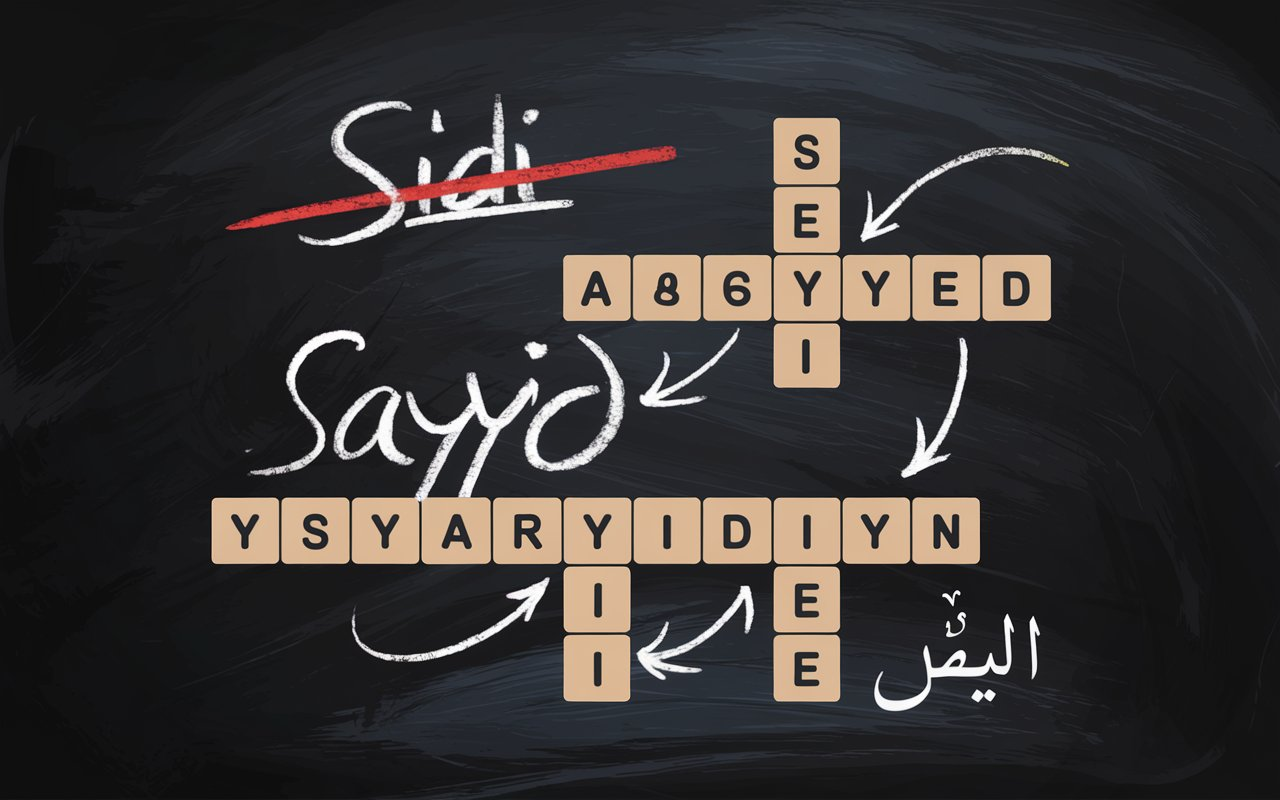
Religion plays a significant role in the use of honorifics in Arab culture. Titles such as “Sayyid” are particularly noteworthy, as they are often reserved for descendants of the Prophet Muhammad, signifying a revered lineage. Using such titles is not just a matter of respect but also an acknowledgment of religious heritage. In the context of the Arab honorific NYT, understanding the religious connotations of these titles can provide crucial hints for solving the puzzle. For example, “Sayyid” might be the correct answer when the clue requires a religiously significant honorific.
READ MORE: Solving the S Korean Gaming Spot Crossword Clue
Modern Adaptations of Arab Honorifics:
In today’s globalized world, Arab honorifics have transcended their traditional boundaries and are sometimes used internationally. Titles such as “Sheikh” or “Emir” are now recognized globally and often associated with wealth, power, and influence, especially in the media portrayal of Middle Eastern leaders. The Arab honorific NYT clue may sometimes reflect this modern adaptation, where the title in question could refer to a contemporary figure of global prominence. This modern usage highlights the evolving nature of honorifics and their relevance in both traditional and modern settings.
Common Misconceptions About Arab Honorifics:
One common misconception about Arab honorifics is that they are exclusively religious or tribal titles. While many honorifics have religious or tribal origins, others are more broadly used to signify respect or authority in various professional and social contexts. For instance, “Hajji” is an honorific given to someone who has completed the pilgrimage to Mecca, but it can also be used more generally to show respect to an elder. The Arab honorific NYT crossword clue may sometimes play on these misconceptions, leading solvers to reconsider their assumptions and explore the broader meanings of these titles.
Conclusion:
The Arab honorific NYT is more than just a crossword puzzle clue; it is a gateway to understanding a rich cultural tradition that has shaped societies for centuries. Whether you are a seasoned crossword solver or a novice, familiarizing yourself with Arab honorifics can enhance your puzzle-solving experience and deepen your cultural knowledge. The next time you come across the Arab honorific NYT clue, you will be well-prepared to tackle it confidently, armed with the knowledge of titles like “Emir” and “Sheikh” that hold significant meaning in Arab culture.
About the Author