


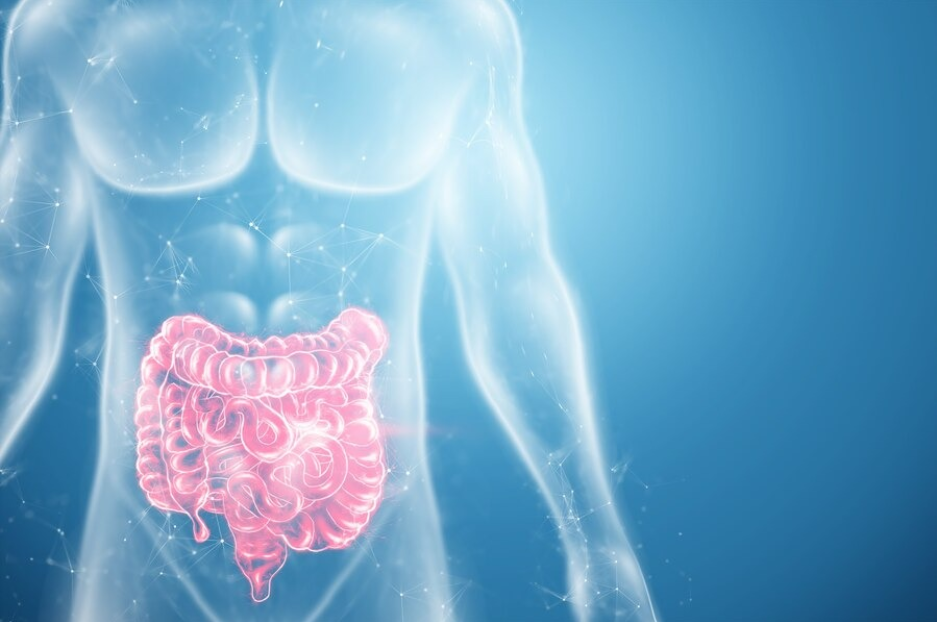
The human gastrointestinal tract is far more than a simple processing pipeline for food. In modern preventative care, gut health is recognized as a foundational pillar of overall wellness. The intricate ecosystem thriving within our digestive system regulates everything from nutrient absorption and immune system function to daily metabolism and mental health.
When your gut microbiome is balanced, your body functions with optimal vitality. Conversely, an imbalanced gut can trigger systemic inflammation, laying the groundwork for chronic conditions. Prioritizing digestive wellness is not just about avoiding bloating—it is a critical strategy for lifelong health, longevity, and disease prevention.
What is the Gut Microbiome?
The gut microbiome is a complex ecosystem of trillions of microorganisms—including bacteria, fungi, and viruses—inhabiting the gastrointestinal tract. This microscopic community acts as a dynamic metabolic organ, breaking down complex carbohydrates, synthesizing essential vitamins, and communicating continuously with the central nervous system to maintain systemic balance.
The Concept of Dysbiosis
In a healthy state, diverse bacterial strains coexist harmoniously. When this delicate equilibrium is disrupted—a state medical gastroenterology experts call dysbiosis—harmful microbes outnumber beneficial ones. This shift weakens the gut lining, compromises nutrient uptake, and can trigger an overactive immune response throughout the body.
How We Evaluate: Our Editorial and Scientific Standards
To ensure our readers receive the most trustworthy, evidence-based health and wellness information, this guide is built upon strict evaluation criteria. We assess every nutritional and lifestyle recommendation against the following benchmarks:
- Scientific Accuracy: Content is strictly mapped to peer-reviewed clinical trials and findings from authoritative institutions like Johns Hopkins Medicine.
- Clinical Effectiveness: We prioritize actionable strategies that demonstrate a measurable, positive impact on digestive biomes in clinical settings.
- Safety & Precautions: Potential adverse reactions, lifestyle contradictions, and clear medical boundaries are explicitly stated.
- Expert Recommendations: Insights align with the diagnostic and preventative guidelines established by medical gastroenterology specialists.
- Ease of Implementation: Dietary and habit changes are structured to be accessible, practical, and sustainable for everyday life.
- Tangible User Benefits: Every recommended habit targets a distinct physical or psychological wellness milestone.
4 Crucial Ways Gut Health Dictates Total Body Wellness
The gastrointestinal tract interfaces directly with almost every major system in the human body. Its influence can be broken down into four primary mechanisms:
1. The Powerhouse of the Immune System
Many people are surprised to learn that roughly 70% of the human immune system is located inside the gut. The intestinal wall houses gut-associated lymphoid tissue (GALT), our primary defense network.
- The Mechanism: Beneficial gut bacteria continuously train immune cells, teaching them to distinguish between harmless food particles and dangerous foreign pathogens.
- The Wellness Impact: A balanced microbiome reduces the risk of frequent viral infections and prevents the immune system from overreacting, which can lead to autoimmune issues.
2. The Gut-Brain Axis and Mental Health
The gastrointestinal tract is frequently referred to as the body’s “second brain” due to the gut-brain axis—a bidirectional communication network linked by the vagus nerve.
- The Mechanism: The gut microbiome produces approximately 90% of the body’s serotonin and a large portion of its dopamine, the primary neurotransmitters responsible for regulating mood, sleep, and stress.
- The Wellness Impact: Chronic gut inflammation or dysbiosis can disrupt this chemical signaling, directly escalating symptoms of anxiety, depression, and mental fatigue.
3. Metabolic Rate and Weight Management
Your gut bacteria play a direct role in how your body processes energy and extracts calories from food.
- The Mechanism: Certain microbial profiles are highly efficient at harvesting calories from complex carbohydrates, affecting blood glucose levels and fat storage signals.
- The Wellness Impact: A highly diverse microbiome is consistently associated with a healthier metabolic rate, natural appetite regulation, and a reduced risk of metabolic syndrome.
Read More Blog:A Beginner’s Guide to Intermittent Fasting Safely
4. Intestinal Barrier Integrity and Nutrient Absorption
A healthy digestive system serves as an intelligent filter, allowing vital nutrients to enter the bloodstream while keeping toxins out.
- The Mechanism: Microbes break down dietary fiber into short-chain fatty acids (SCFAs) like butyrate, which fuel and strengthen the cells lining the intestinal wall.
- The Wellness Impact: Maintaining a robust barrier ensures optimal absorption of critical vitamins and minerals, preventing systemic deficiencies and protecting internal organs from circulating toxins.
Comprehensive Guide: Dietary Elements for Gut Optimization
The following structured reference table categorizes the essential nutritional components required to support a thriving, diverse gut microbiome:
| Nutrient Category | Primary Functional Role | Top Dietary Sources | Expected Wellness Benefit |
| Probiotics | Introduces live, beneficial bacterial strains directly into the digestive tract | Plain Greek yogurt, kefir, wild kimchi, unpasteurized sauerkraut | Replenishes depleted microbial populations and supports immune defense |
| Prebiotic Fiber | Acts as a specialized fuel source to feed and grow existing good bacteria | Raw chicory root, garlic, onions, leeks, under-ripe bananas | Boosts the natural production of anti-inflammatory short-chain fatty acids |
| Polyphenols | Micronutrients with antioxidant properties that promote diverse microbial growth | Dark chocolate (70%+), blueberries, green tea, hazelnuts | Lowers systemic oxidative stress and encourages beneficial bacterial strains |
| Digestive Enzymes | Breaks down macronutrients into smaller components for smoother absorption | Wild papaya, fresh pineapple, mangoes, fermented ginger | Reduces physical digestive strain, gas production, and post-meal bloating |
| Amino Acids (L-Glutamine) | Provides structural building blocks to repair and rebuild the cellular gut lining | Bone broth, organic eggs, wild-caught salmon, grass-fed beef | Strengthens the tight junctions of the gut wall to prevent intestinal permeability |
Read More Blogs:How Mindfulness Can Improve Your Focus and Memory
Recognizing the Signs of an Imbalanced Gut
When the gut microbiome falls into an unhealthy state, the body provides clear warning signs. Recognizing these early indicators allows for timely, preventative adjustments:
- Chronic Digestive Discomfort: Persistent bloating, gas, abdominal cramping, irregular bowel movements, or acid reflux.
- Unexplained Brain Fog and Fatigue: Difficulty concentrating, frequent midday energy crashes, and waking up feeling unrefreshed despite sleeping.
- Sudden Food Intolerances: Developing unexpected sensitivities or mild allergic responses to foods that previously caused no discomfort.
- Skin Irritations and Flare-ups: Unexplained breakouts, redness, or chronic conditions like eczema, which are often fueled by systemic gut inflammation.
Read More Blogs:10 Daily Habits for a Healthier Mind and Body in 2026
Practical Implementation: Healthy Lifestyle Habits for Your Gut
Nurturing your gut microbiome does not require complex or restrictive regimens. Instead, focus on building sustainable, research-backed daily habits:
- Diversify Your Plant Intake: Aim to eat a variety of different plant-based foods each week. A wider selection of fibers encourages a more diverse and resilient bacterial population.
- Prioritize Restorative Sleep: Your microbiome follows a natural circadian rhythm. Aiming for 7–9 hours of deep sleep each night gives the gut lining the uninterrupted time it needs to repair itself.
- Incorporate Restorative Movement: High stress can disrupt the gut-brain axis and stall digestion. Engaging in gentle activities like yoga, walking, or regular stretching helps lower cortisol levels and supports natural motility.
- Stay Adequately Hydrated: Drinking plenty of clean water throughout the day keeps the mucosal lining of the intestines hydrated, ensuring smooth bowel movements and effective toxin elimination.
Read More Blog:How to Create a Balanced Wellness Routine for Busy Professionals
Crucial Risks, Mistakes, and Precautions to Avoid
While optimizing your digestive system offers immense health benefits, making drastic changes too quickly can backfire. Keep these important precautions in mind:
- Increasing Fiber Too Quickly: Suddenly introducing massive amounts of fiber can overwhelm an unconditioned gut, leading to severe bloating, painful gas, and cramping. Increase your fiber intake gradually over several weeks.
- Misusing High-Dose Supplements: Taking potent probiotic supplements without guidance can sometimes lead to small intestinal bacterial overgrowth (SIBO). Focus on getting your nutrients from whole foods first, and consult a professional before starting high-dose supplement regimens.
- Relying on Highly Processed “Gut-Health” Snacks: Many commercial items marketed as “good for your gut” are loaded with artificial sweeteners, emulsifiers, and hidden sugars. These additives can actually irritate the intestinal lining and feed harmful bacteria. Always read your ingredient labels carefully.
Strategic Takeaways for Lifelong Vitality
Caring for your gut health is a powerful investment in your long-term, systemic wellness. By looking beyond superficial trends and understanding the deep biological connections within our bodies, we can use proactive nutrition to unlock sustainable energy and strong immune resilience.
To build a strong foundation for your health, focus on these clear steps:
- Focus on a whole-food diet rich in natural fibers and fermented foods to support a diverse, resilient microbiome.
- Protect the vital gut-brain axis by combining good nutrition with active stress management and consistent sleep habits.
- Listen to your body’s warning signs, making gradual, steady changes and consulting medical gastroenterology professionals for personalized guidance when needed.
Frequently Asked Questions (FAQ)
What is the gut-brain axis, and how does it influence my daily mood?
The gut-brain axis is a direct, two-way communication network connecting the enteric nervous system in your gut to the central nervous system in your brain via the vagus nerve. Because your gut microbes produce the vast majority of the body’s serotonin—the neurotransmitter responsible for mood stabilization—an imbalanced gut can directly contribute to feelings of anxiety, increased stress, and irritability.
How long does it typically take to repair an imbalanced gut microbiome?
The initial stages of cellular repair and microbial shifts can begin within a few days of making targeted dietary changes. However, meaningful, long-term restoration of a highly diverse microbiome and the complete cooling of systemic inflammation generally requires 3 to 6 months of consistent nutritional and lifestyle improvements.
Can an unhealthy gut be the underlying cause of my chronic skin issues?
Yes. This connection is known in medical research as the gut-skin axis. When gut dysbiosis weakens the intestinal barrier, toxins can escape into the bloodstream, triggering systemic inflammation. This internal inflammation frequently manifests externally on the skin, contributing to issues like acne, eczema, and premature aging.
What is the functional difference between probiotic and prebiotic foods?
Probiotics are live, beneficial bacteria found in fermented foods that actively replenish and diversify your internal microbial populations. Prebiotics are non-digestible plant fibers that serve as a specialized food source, feeding and strengthening the helpful bacteria already living in your digestive tract.
How do antibiotics affect long-term gut health?
While antibiotics are vital for treating bacterial infections, they can be unselective, wiping out large populations of beneficial gut bacteria alongside the harmful ones. To help your microbiome recover after a necessary course of antibiotics, focus on gradually reintroducing fermented foods and prebiotic fibers under medical guidance.